
Loading article content...
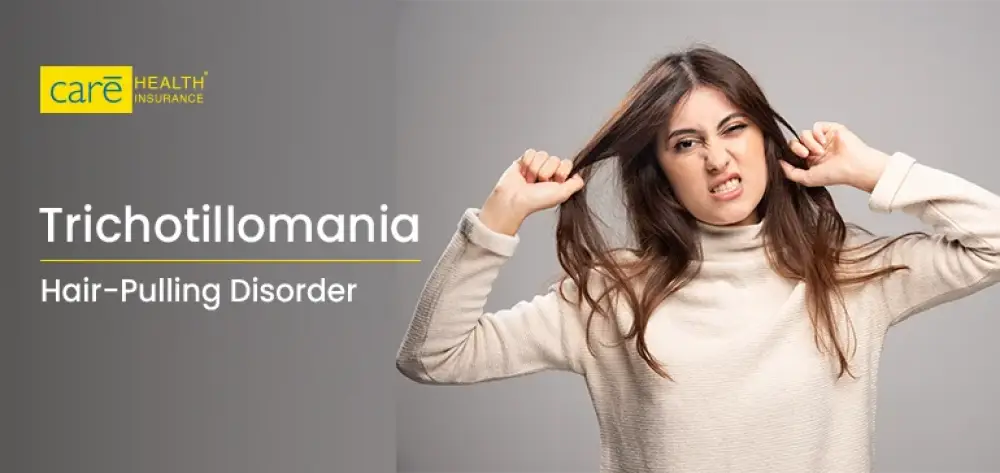
Sometimes, the urge to touch or fidget with your hair is just a habit, while working, thinking or talking. But for many people worldwide, this urge becomes an overwhelming, compulsive necessity. the recurrent, irresistible need to pull out one's own hair. This is the reality of Trichotillomania (TTM), or the hair-pulling disorder,
The pulling can occur anywhere on the body, but the most common sites are the scalp, eyebrows, and eyelids. The act of pulling hair typically results in noticeable hair loss, which can lead to significant distress and impairment in social, occupational, or other important areas of functioning.
This comprehensive guide will help you understand its symptoms, causes, and treatment options so that you can take the first step toward managing this complex disorder.
What is Trichotillomania?
Trichotillomania, often abbreviated as TTM, is a mental disorder characterised by the recurrent, irresistible urge to pull out one's own hair. It is classified in the Diagnostic and Statistical Manual of Mental Disorders (DSM-5) as an impulse-control disorder under the category of Obsessive-Compulsive and Related Disorders.
Trichotillomania: Hair Pulling & Other Symptoms
Trichotillomania, often known as ‘hair-pulling disorder’, is characterised by hair-pulling as its most prominent sign. It also involves other related conditions:
Recurrent hair pulling: Repeated, compulsive pulling out of one's own hair is the characteristic symptom of trichotillomania.
- Compulsive pulling behaviour: Sometimes, the pulling behaviour may be a focused thing (i.e. you mean to do it, maybe because you're stressed or feeling tense), and other times it's compulsive (you don't even realise you're doing it, like when you're zoning out reading or watching TV).
- Inability to resist: The person with the hair-pulling disorder regularly makes repeated attempts to stop or reduce hair-pulling, but is unable to do so.
- Significant distress: The behaviour causes clinically significant distress or impairment (e.g., hiding bald spots, avoiding social situations).
- Common sites: A person with Trichotillomania does not only scratch the scalp; their compulsiveness may also cause them to pull out eyebrows, eyelashes, pubic hair, and other body hair.
- Associated behaviours: Some peculiar symptoms may include examining the hair roots, twirling the hair, or, in some cases, trichophagia (chewing the pulled hair), which can lead to a potentially serious condition called a hairball (bezoar) in the stomach.
These are some peculiar but very alarming symptoms of the hair-pulling disorder—Trichotillomania —that should be taken into account for timely treatment. However, it's essential to understand the causes of such awkward behaviour to receive appropriate treatment.
Trichotillomania: What Causes Hair-Pulling?
The exact cause of Trichotillomania is not fully understood, but it is believed to be a combination of genetic, biological, and environmental factors:
- Genetic Predisposition: TTM often runs in families, which suggests a genetic link.
- Neurobiological Factors: Differences in brain structure and function, particularly in areas involved in habit formation, impulse control, and emotion regulation, may play a role.
- Co-occurring Conditions: TTM frequently co-occurs with other mental health conditions, including Obsessive-Compulsive Disorder (OCD), Major Depressive Disorder, and Anxiety Disorders.
- Temperament: Individuals who experience higher levels of stress, anxiety, or boredom may be more susceptible.
It is important to diagnose the exact cause behind the compulsive habit of pulling out hair to apply the right treatment therapy against Trichotillomania.
Diagnosis for Trichotillomania: Knowing the Exact Cause & Right Treatment
Diagnosis for the hair-pulling disorder is made by a mental health professional, preferably a psychiatrist or psychologist.
The diagnosis is based on the DSM-5 criteria, which primarily involve observing the pattern of hair-pulling and the resulting distress and impairment.
You may also consult a dermatologist to rule out other medical causes of hair loss and to help control the hair-pulling behaviour.
How to Treat Compulsive Hair Pulling Disorder?
Currently, the most effective treatment for Trichotillomania is a combination of pharmacological and behavioural therapies.
Cognitive Behavioural Therapy (CBT)
- Habit Reversal Training (HRT): This is considered the first-line treatment. It involves awareness training, i.e., recognising the urge and the act, developing a competing response (an action incompatible with hair pulling, such as clenching a fist or holding an object), and social support.
- Stimulus Control: Modifying the environment to reduce triggers for pulling (e.g., wearing gloves, covering mirrors, or reducing stress).
Medications
Since it's a behavioural disorder linked to hormonal imbalances, Selective Serotonin Reuptake Inhibitors (SSRIs) are the most effective medication recommended for its treatment. Antidepressants are often used to help manage co-occurring anxiety or depression, and may help reduce the urge to pull.
Besides, amino acid supplements, such as glutamate modulators, have shown promising results in reducing impulsive behaviours, including hair-pulling.
Note: It is always recommended to avoid over-the-counter medications and only take medicines prescribed by your general physician.
Stress and anxiety are among the key factors behind developing compulsive behaviours, so it’s necessary to avoid the sources of stress. Having a financial safety net for your healthcare expenses helps you live a stress-free life.
>> Read More: Hair Loss Can Indicate Poor Nutrition or These Medical Conditions: 5 Hair Care Tips
Eliminate Stress from Your Life with Affordable Health Coverage
In today's fast-paced, work-driven world, stress management is a necessity. The most effective way to overcome stress is to eliminate its underlying sources. While treatment therapies and medications target the very symptoms of anxiety, an affordable health insurance policy is something that you need to ensure your financial safety while undergoing the treatment.
A health insurance policy helps you a lot during a health emergency. In addition to offering comprehensive coverage for your treatment expenses, it can also reduce your costs through benefits such as premium payback and wellness discounts. It is always beneficial to avail additional features to enhance your scope of coverage.
Disclaimer: Verifying the policy details and coverage with the official policy documents is essential. Also, kindly consult a professional medical expert to verify the details of your health concerns.