
Loading article content...
Hello there! We’ve all been there, sitting in a stressful meeting or watching a tense film, only to realise we’ve been nibbling away at our fingernails. For most people, nail biting is a passing habit from childhood. But for others, it becomes something much more intense and difficult to control. If you find yourself biting your nails until they bleed, or if you feel a sense of shame about the way your hands look, you might be dealing with onychophagia.
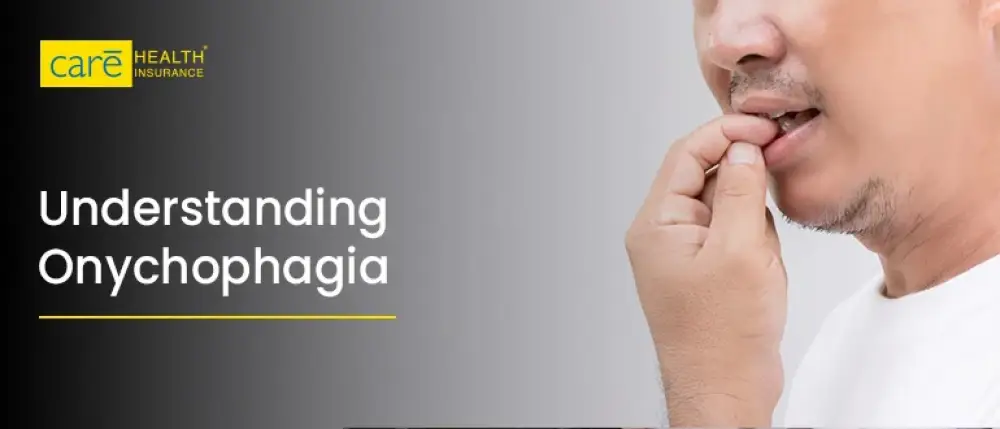
Onychophagia is the clinical term for chronic, pathological nail biting. It is considered a "Body-Focused Repetitive Behaviour" (BFRB), in which an individual compulsively bites their fingernails, often leading to damage to the nails and surrounding skin. While often dismissed as a "bad habit," for many, it is a persistent condition that requires professional nail-biting treatment to manage.
What exactly is Onychophagia?
Onychophagia is more than just a lack of willpower. It is often classified under the umbrella of Obsessive-Compulsive and Related Disorders. It involves the repetitive, compulsive biting of the fingernails and, sometimes, the soft tissues of the nail bed and cuticles.
Quick Facts about Nail Biting
Here are some factual details about the nail-biting-
| Feature | Details |
|---|---|
| Common Age | Most common in children and adolescents; can persist as onychophagia in adults. |
| Triggers | Stress, anxiety, boredom, or deep concentration. |
| Complications | Skin infections, dental issues, and stomach upset from ingesting bacteria. |
What are the most common Onychophagia symptoms?
Recognising the symptoms of onychophagia is the first step toward seeking help. While biting is the most obvious sign, the condition has several physical and emotional layers.
- Short, Ragged Nails: Nails that are bitten down to the "quick," often leaving no visible white edge.
- Damaged Cuticles: Skin around the nail that is torn, bleeding, or inflamed.
- Physical Pain: Soreness in the fingertips or sensitivity to touch.
- Dental Issues: Chipped teeth or wear on the enamel due to constant friction.
- Emotional Distress: Feeling a sense of guilt, shame, or social anxiety about the appearance of one’s hands.
- Infections: Frequent redness and swelling around the nail bed (paronychia).
What are the primary causes of onychophagia?
Understanding the causes of onychophagia helps tailor the right treatment. A single factor rarely causes it; rather, it's a mix of emotional and biological factors.
Stress and Anxiety
Many people use nail biting as a self-soothing mechanism. When the nervous system is overwhelmed, the rhythmic act of biting provides a temporary sense of relief or distraction.
Genetic Predisposition
Research suggests that BFRBs, such as nail biting (onychophagia), can run in families. If a parent struggles with compulsive habits, their children are statistically more likely to develop them as well.
Boredom or Concentration
For some adults, onychophagia occurs during "passive" activities, such as reading, driving, or watching television. It becomes an automatic behaviour that the brain performs when it isn't fully stimulated.
Emotional Regulation
People with onychophagia may have difficulty processing intense emotions like frustration or impatience. The habit acts as an emotional "vent."
How does Onychophagia in adults differ from childhood habits?
While nail biting is incredibly common in children (affecting roughly 30% to 60% of school-aged kids), most outgrow it. When it persists as onychophagia in adults, it is often more deeply ingrained and can be linked to other mental health conditions like Generalised Anxiety Disorder (GAD) or ADHD. Adults also face higher social stakes, such as professional embarrassment or difficulty in romantic intimacy due to the appearance of their hands.
What are the effective Onychophagia treatment options?
The good news is that you don't have to live with damaged nails forever. Effective onychophagia treatment usually involves a multi-layered approach.
Behavioural Therapy
Habit Reversal Training (HRT) is the gold standard for treating nail biting. It involves:
- Awareness Training: Identifying the specific triggers (like stress or boredom) that lead to biting.
- Competing Response: Learning to perform a different action (like clenching fists or playing with a fidget toy) whenever the urge to bite arises.
Barrier Methods
Using physical barriers can provide the split-second delay needed to stop an automatic bite.
- Bitter-tasting polishes: These are widely available and make biting unpleasant.
- Manicures: Many adults find that keeping their nails professionally groomed or using gel/acrylic overlays discourages biting.
Onychophagia Medication
There is no specific "pill" for nail biting (onychophagia). However, if the habit is driven by severe anxiety or OCD, a doctor may prescribe onychophagia medication, such as SSRIs (Selective Serotonin Reuptake Inhibitors), to treat the underlying cause. Always consult a psychiatrist before starting any onychophagia medication.
>>Read More: Skin Picking Disorder (Dermatillomania): A Complete Guide
Final Thoughts on Overcoming Nail Biting
Breaking free from onychophagia is a marathon, not a sprint. By understanding the causes of onychophagia and being patient with yourself, you can regain healthy, beautiful nails. Whether you choose behavioural therapy or explore onychophagia medication, remember that you aren't just fixing your nails, you’re taking care of your mental health.
With the right support from your doctors and a robust Health Insurance plan,you can face the world with confidence and healthy hands.
Disclaimer: All plan features, benefits, coverage and claims underwriting are subject to policy terms and conditions. Kindly review the brochure, sales prospectus, and policy documents carefully.