
Loading article content...
Have you ever thought about the real reason you’re not hitting your protein goals? Many people think they need chicken, eggs, or pricey protein powders to stay healthy or build muscle. But actually, there are many protein-rich foods right in your kitchen that you might be missing. Simple everyday foods like dal, peanuts, and oats are quietly giving you the protein you need each day, providing a nutritious boost that’s affordable and gentle on your digestion.
Then why do we often overlook these foods? It's because we’ve been told that protein mainly comes from meat. That’s why these everyday foods don’t get the recognition they deserve.
In this blog, you’ll find simple plant-based protein options, learn how much protein they contain, and discover easy ways to meet your daily needs without complicating your diet. Remember, you don’t need any fancy foods, just a little understanding of the ones you already enjoy.
Why Plant-Based Protein is Becoming So Popular
Over the past few years, plant-based protein has really taken off as a popular trend in health and fitness. Many people are turning to plant-based foods because they are straightforward, natural, and provide genuine long-term health benefits. Here’s why plant-based protein is becoming such a hot topic:
- Supports heart health and maintains healthy cholesterol levels
- Supports healthy weight management.
- Enhances digestion and promotes gut health.
- Reduces the risk of numerous chronic diseases.
- More environmentally friendly and sustainable
Due to these advantages, numerous fitness experts and nutritionists now advise incorporating more plant-based protein into your daily diet to promote a healthier, more balanced lifestyle.
10 Foods That Are Surprisingly High in Protein!
You don’t always need fancy diets or expensive supplements to meet your protein needs. Many everyday foods naturally contain high levels of protein; you just need to know which ones to focus on. Here are 10 surprisingly high-protein foods that you can easily add to your daily meals.
Lentils (Dal)
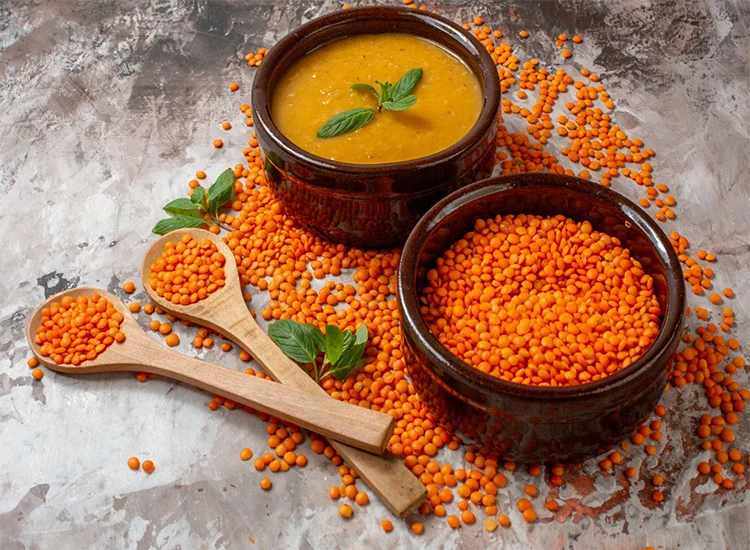
Lentils are a beloved staple in many Indian households, packed with protein and fibre. Just one cup of cooked dal provides around 18g of valuable protein, making it a nutritious choice for everyone.
Chickpeas (Chana)
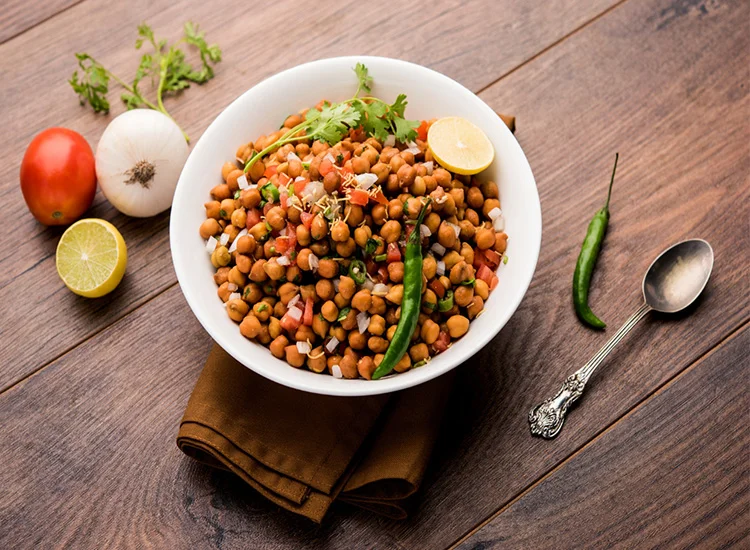
Chickpeas are a versatile and nutritious choice, perfect for salads, curries, or snacks. They provide approximately 15g of protein per cup, making them a wonderful addition to your meals.
Peanuts
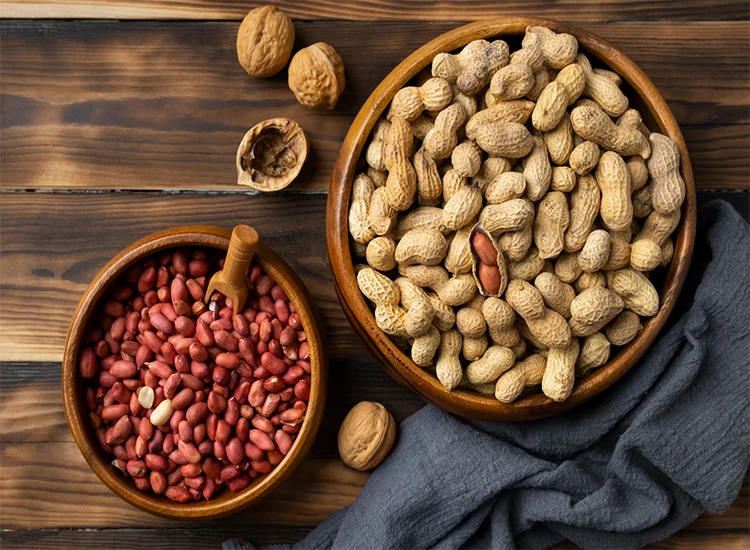
Peanuts are a wonderful, budget-friendly snack option that you can enjoy anytime. Just a small handful provides around 7g of protein, making it both tasty and nourishing.
Oats
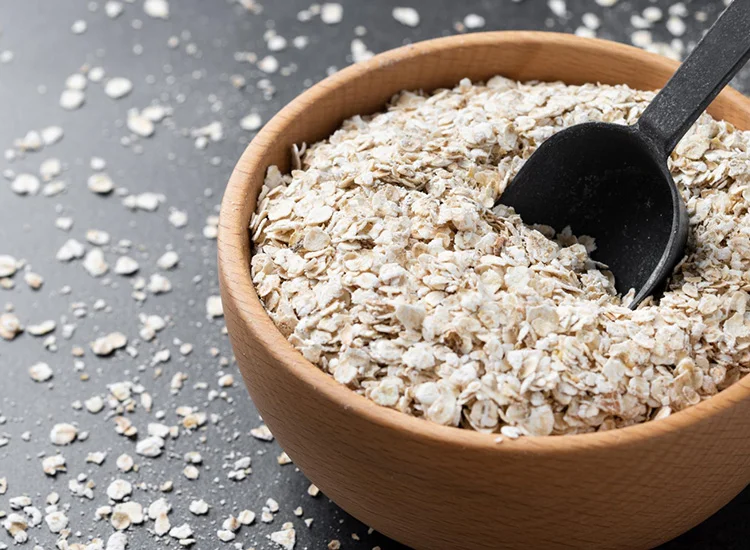
Oats aren't just for breakfast; they're a wonderful way to start your day! With about 5g of protein per serving, they help keep you feeling full longer, making them a delightful and nutritious addition to your daily routine.
Paneer (Cottage Cheese)
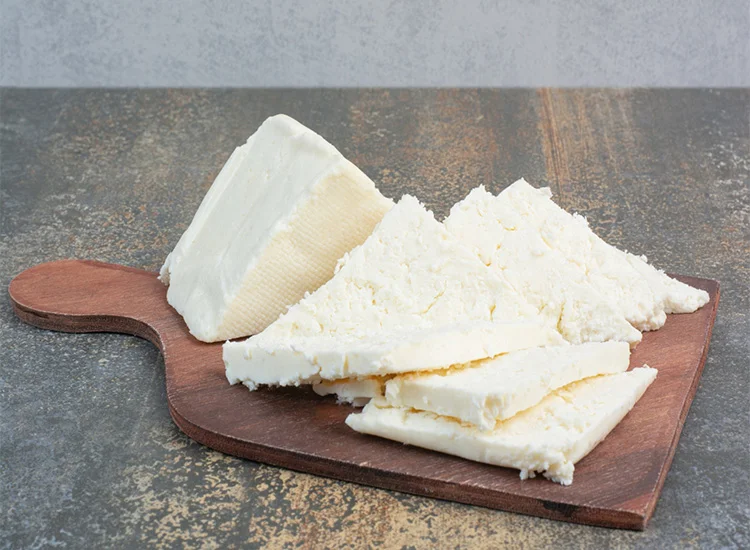
Paneer is widely favoured in various diets due to its high protein content, offering approximately 18g per 100g. It is both tasty and nutritious, making it a popular choice among many.
Soybeans
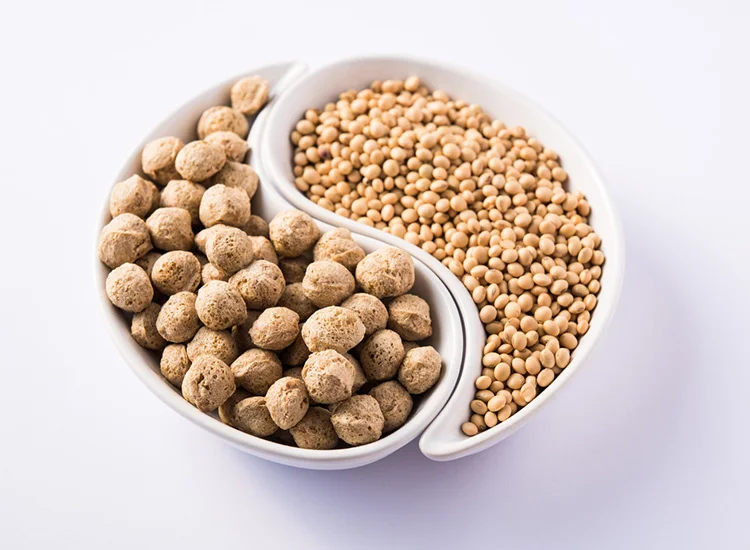
Soybeans are a wonderful source of plant-based protein, offering about 28g per cup. They're a tasty and natural way to increase your protein intake, making your meals both nutritious and enjoyable.
Almonds
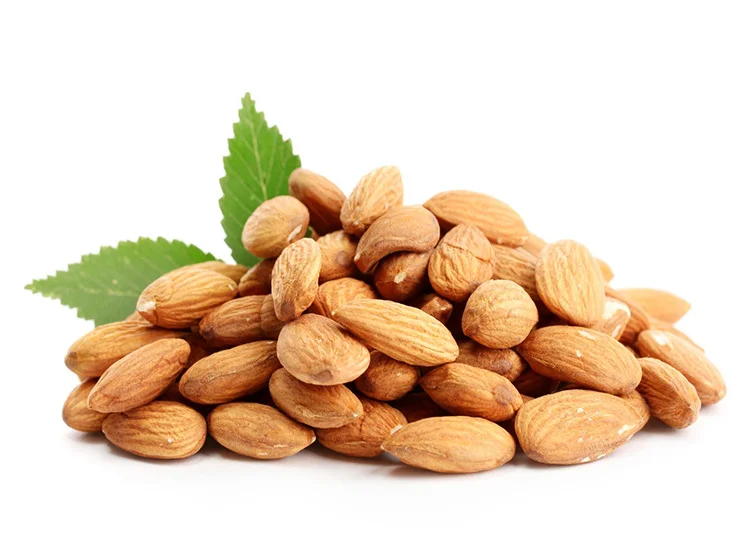
Treat yourself to a tasty, nutritious snack packed with healthy fats and providing about 6g of protein per handful.
Quinoa
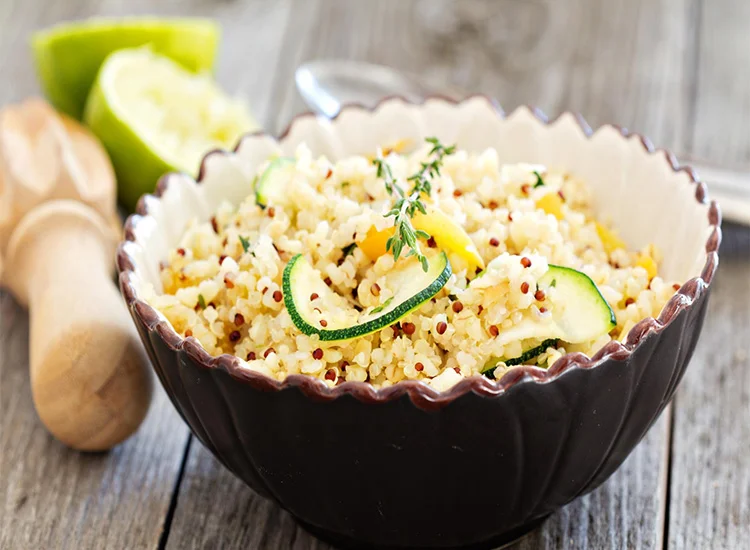
Quinoa is a wonderful complete protein source, providing about 8 grams of protein per cup.
Green Peas
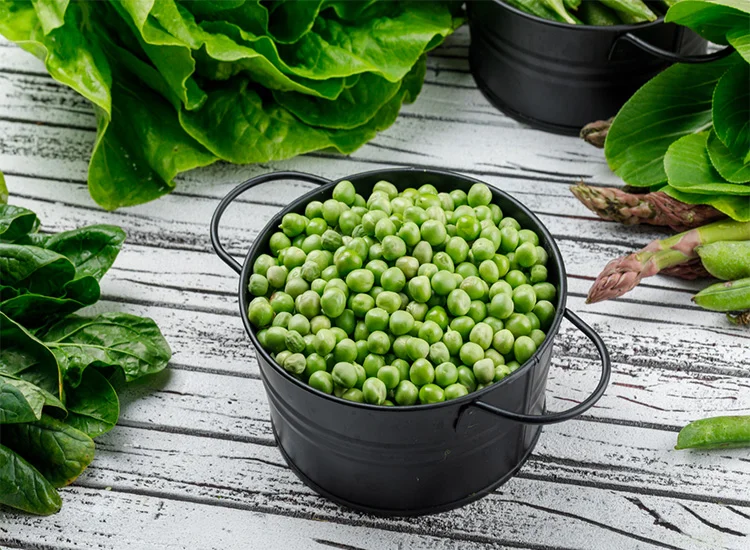
Green peas are a wonderful source of nutrition, providing about 9 grams of protein for every cup. They're often overlooked, but they truly pack a tasty and healthy punch.
Kidney Beans (Rajma)
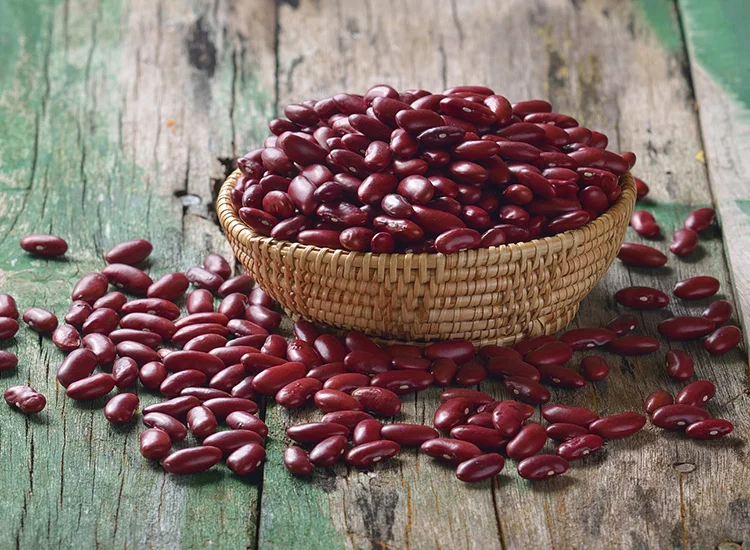
Delicious and satisfying, rajma provides around 15g of protein per cup, making it a tasty and nourishing option you can enjoy with confidence.
Plant-Based Protein Diet Plan You Can Follow
If you’re uncertain about how to include these foods in your daily routine, here’s a simple and practical plant-based protein diet plan. It’s easy to follow, uses familiar ingredients, and helps you meet your protein needs without making your meals complicated. Here’s an example of a typical high-protein day:
| Particulars | Meals |
|---|---|
| Breakfast | Oats with peanut butter + seeds or Moong chilla with chutney |
| Lunch | 1 bowl of dal 1–2 Rotis or Rice Sabzi + Salad (You can also add some portion of paneer/tofu) |
| Snacks | Roasted chana Sprouts Fruit |
| Dinner | Light meal like stir tofu fry or khichdi Sometimes completely plant-based |
Remember: Eating healthily can help reduce your risk, but remember, it doesn’t mean you’ll never encounter a health emergency. Sometimes, health issues can pop up unexpectedly, no matter how careful you are with your diet. That’s why having health insurance is so valuable; it not only provides financial protection but also offers peace of mind when life throws us surprises.
Powerful Benefits of Plant-Based Protein
Plant-based protein is more than just a trend; it's a truly beneficial choice for your long-term health. Easy to include in your daily meals, it supports your well-being and helps you feel great every day. Making this thoughtful decision can lead to a healthier, happier lifestyle. Some of the benefits of plant-based proteins are:
- Rich in Antioxidants: Plant-based protein sources such as lentils, beans, and nuts are naturally high in antioxidants. These antioxidants help neutralise free radicals, lower inflammation, and safeguard your cells from damage over time.
- Good for the Gut: Most plant-based foods are packed with fibre, which helps with digestion and keeps your gut bacteria happy and healthy. Having a healthy gut can boost your digestion, strengthen your immune system, and improve your overall well-being.
- Lower Risk of Several Chronic Diseases: Eating plant-based protein regularly is a wonderful way to help lower your risk of lifestyle diseases such as diabetes, heart disease, and high blood pressure. It also helps keep your blood sugar stable and promotes overall well-being.
- Aids in Weight Management: Plant-based proteins are hearty and packed with nutrients, helping you feel full and less likely to snack unnecessarily. This can make managing your weight a lot easier without the need for strict dieting.
- Supports Heart Health: These delicious foods are naturally low in saturated fats, making them a heart-friendly choice. Incorporating them into your daily meals can boost your heart health and help lower the risk of cardiovascular problems. It's a simple way to take care of your well-being.
Easy Tips to Add More Plant-Based Protein to Your Diet!
Whether you’re fully vegetarian or just aiming to eat a bit healthier, adding more plant-based protein can be simple and enjoyable. With just a few easy changes, you can effortlessly increase your daily protein intake using foods you already have in your kitchen.
- Add seeds such as chia, flax, or pumpkin to your roti dough, oats, or pancakes to increase protein content.
- Keep tofu or paneer on hand for quick meals; they’re simple to prepare and high in protein.
- Try mixing mashed dal or beans into your sabzi, curries, or even soups to make them more hearty and nutritious.
- Add a spoonful of peanut butter or almond butter to your smoothie or morning oats.
- Add roasted chana powder or nutritional yeast to snacks for a healthy, protein-rich boost.
Even small adjustments like these can really add up, helping you reach your protein goals more easily without transforming your whole diet.
>> Read More: Let’s Decode Protein Energy Malnutrition
Why Plant-Based Protein Deserves a Place in Your Diet!
Many people think that plant-based proteins are less effective than animal proteins, but that’s not true at all. When you choose the right foods, plant-based options can be just as nutritious, providing not only protein but also fibre, vitamins, minerals, and antioxidants that help support your overall health.
Foods like dal, soya beans, nuts, seeds, and whole grains are among the best and easiest ways to incorporate these nutritious options into your daily meals. If you’re just starting out, don’t worry, you don’t have to give up meat completely. Simply adding more plant-based foods to your diet can make a big positive difference over time.
Disclaimer: The above information is for reference purposes only. Kindly consult your general physician for verified medical advice. The health insurance benefits are subject to policy terms and conditions. Refer to your policy documents for more information.