
Loading article content...
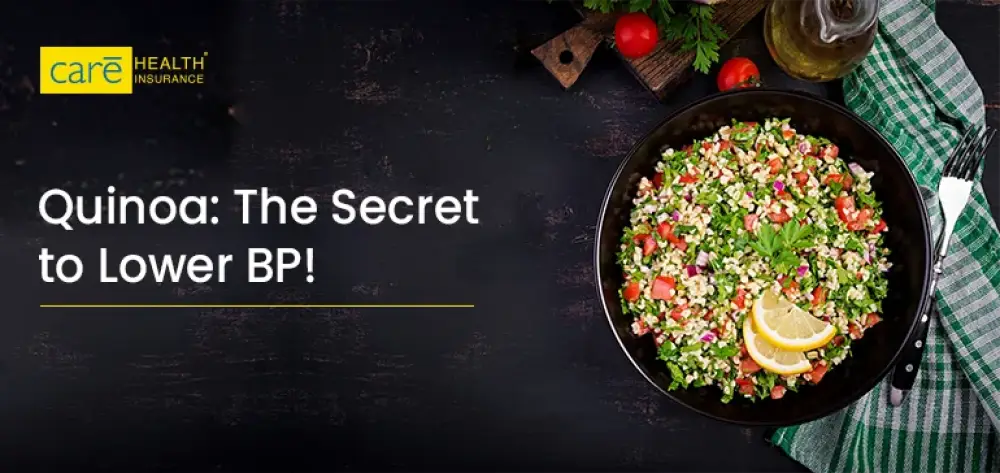
Quinoa has become quite popular as a 'superfood,' but you might wonder if it truly lives up to the hype, particularly in helping to manage blood pressure.
It might just seem like another trendy grain. But when you take a closer look, you'll see that quinoa is packed with nutrients that are good for your heart. It’s rich in magnesium, potassium, and fibre, all of which support healthy blood flow, help maintain fluid levels, and promote overall cardiovascular health.
Just adding quinoa to your meals might seem simple, but it can really make a difference. Let's take a look at how adding quinoa regularly to your diet could gently support your heart health in the long run.
What is Quinoa?
Quinoa comes from the Chenopodium quinoa plant, which belongs to the amaranth family. It's a lovely herbaceous annual plant mainly cultivated for its tasty, nourishing seeds. These seeds are rich in protein, dietary fibre, B vitamins, and essential minerals such as potassium and magnesium—more than many grains contain.
Quinoa is classified as a pseudocereal because it resembles and cooks like a grain, yet it is actually related to spinach and amaranth. The plant grows well at high elevations and produces nutrient-dense seeds. Today, various quinoa varieties are available in stores, making it simple to add this nutritious food to your diet.
- White quinoa has a gentle flavour.
- Red quinoa offers a nutty flavour.
- Black quinoa offers a more earthy flavour.
How Quinoa May Affect Blood Pressure?
Quinoa isn’t just a popular grain; it offers real, measurable benefits for heart health. Its high fibre content is a key advantage, helping to reduce low-density lipoprotein (LDL), often known as “bad” cholesterol. Lowering cholesterol can ease stress on the heart and gradually decrease the risk of cardiovascular disease.
Quinoa is also high in antioxidants that combat inflammation, a key contributor to heart problems. Eating quinoa every day for 30 days can modestly lower blood pressure and enhance heart health. Adding quinoa to your daily meals for a month may lead to slight but significant improvements in blood pressure and overall cardiovascular health. While it’s not an instant fix, it offers various health benefits.
- Beta-glucan: Assists in lowering cholesterol and may help improve blood pressure regulation.
- Heart-healthy unsaturated fats: Promote healthy blood circulation and help maintain blood pressure.
- Fibre and protein: Help you feel full longer, improve digestion, and assist with weight management, which is crucial for controlling blood pressure.
- Magnesium: Helps relax blood vessels, improving blood flow.
- Potassium: Balances the body's fluid levels and decreases pressure on artery walls.
Benefits of Quinoa in Supporting Healthy Blood Pressure
Including quinoa in your diet not only enhances your meals but may also lower the risk of high blood pressure and promote overall heart health. Its abundant nutrients help maintain your cardiovascular system's health in subtle yet effective ways. Some of them are:
Quinoa Helps Relax Blood Vessels Naturally
Quinoa contains high levels of magnesium and potassium, essential minerals that support blood pressure regulation. Magnesium helps relax blood vessels, enhancing blood flow, whereas potassium helps remove excess sodium, which reduces fluid retention and arterial pressure.
Quinoa Protects Blood Vessels from Damage
Quinoa contains antioxidants that help reduce inflammation and fight oxidative stress, which can damage blood vessels over time. Supporting healthy blood vessels, these benefits may lower the risk of developing high blood pressure.
Quinoa May Help Reduce Inflammation
Quinoa contains powerful antioxidants, such as polyphenols, that help reduce inflammation and support overall heart health. Lower inflammation can improve blood vessel function and may decrease the risk of high blood pressure.
Quinoa Supports Healthy Weight Management
Quinoa is high in protein and fibre, which helps you feel full longer and reduces the risk of overeating. It also promotes healthy weight management and helps stabilise blood sugar levels, aiding in maintaining healthy blood pressure.
Easy Ways to Add Quinoa to Your Diet
One of the greatest benefits of quinoa is its simplicity and versatility. It takes about 15 minutes to cook and easily fits into everyday meals and quick recipes, making healthy eating straightforward.
How to Cook Quinoa
Getting perfectly fluffy quinoa is simple when you follow a few easy steps:
- Rinse thoroughly to eliminate its natural bitter coating (called saponin)
- Add 1 part quinoa to 2 parts water or stock.
- Let it simmer gently until it becomes light, fluffy, and the grains soften and expand.
Delicious Ways to Enjoy Quinoa
Once cooked, quinoa can be used in many versatile ways. Here are some tasty ideas to inspire you:
- Hearty grain bowls with veggies and your favourite protein
- Quick stir-fries for a healthy twist on comfort food
- Breakfast bowls with fruits, nuts, and a drizzle of honey
- Soups, stews, and chilis for added texture and nutrition
- Fresh salads for a light yet filling meal
- As a side dish, replacing white rice or even potatoes
- Wraps and rolls for a wholesome lunch option
- Veggie burger patties for a plant-based boost
- Mixed into yoghurt for a protein-rich snack
Whether you enjoy savoury flavours or a touch of sweetness, quinoa is a simple and delightful way to enhance your meals with minimal effort.
>>Read More: Symptoms and Prevention Tips for High Blood Pressure
Other Effective Ways to Manage Blood Pressure
While including foods like quinoa in your diet can be beneficial, managing blood pressure primarily depends on your overall lifestyle. The encouraging part is that small, steady changes can significantly impact your health over time. Emphasising a balanced, heart-healthy diet rich in whole, nutrient-dense foods can greatly help maintain healthy blood pressure levels. A heart-healthy diet generally consists of:
- A variety of fresh fruits and vegetables are available.
- Whole grains rather than refined alternatives.
- Consume healthy fats such as olive oil, nuts, and seeds while limiting saturated fats.
- Lean proteins such as fish, poultry, and plant-based sources.
- Legumes such as beans, lentils, and chickpeas
- Low-fat or fat-free dairy products.
At the same time, it’s crucial to set boundaries on:
- Foods rich in sodium, added sugar, and unhealthy fats
- Processed and packaged foods, such as salty snacks and fast food.
- Sweet desserts and drinks containing high sugar levels
- Limit excess butter, margarine, and fatty meats (always check labels when possible).
Protect Your Heart, Inside and Out!
Quinoa might seem simple, but it packs a punch for your heart and blood pressure. With its rich nutritional profile, incorporating it into your daily meals is a small step that can really make a difference to your overall health.
Remember, healthy eating is just one piece of the puzzle. Conditions such as high blood pressure often require ongoing attention, regular check-ups, and sometimes medical support. Because life can be unpredictable, having the right health insurance is so important; it gives you confidence and financial peace of mind, ensuring you can get the care you need without extra worries.
Make sure you’re protected, because investing in your health today is the best way to build a healthier, worry-free future.
Disclaimer: The above information is for reference purposes only. Kindly consult your general physician for verified medical advice. The health insurance benefits are subject to policy terms and conditions. Refer to your policy documents for more information.