
Loading article content...
If you’ve ever caught yourself picking at a scar or blemish without even realising it, you’re not alone. For some people, this behaviour becomes a repeated cycle. This is known as dermatillomania or skin-picking disorder- a condition that affects millions worldwide and often goes unnoticed. It affects an estimated 2-5% of the population, with up to 5.4% experiencing it at some point in their lives.
In this blog, we’ll cover what skin picking disorder is, its signs and symptoms, causes, diagnosis, treatment and more.
What is Skin Picking Disorder?
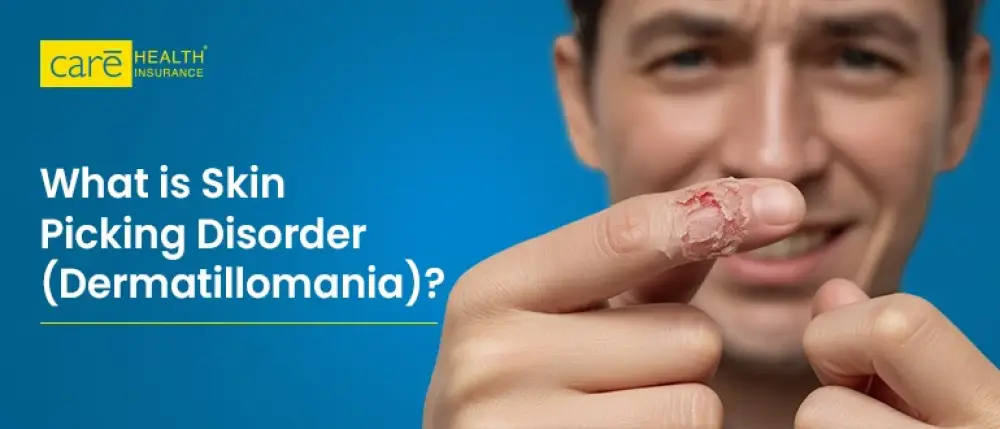
Also known as dermatillomania or excoriation disorder, it is a mental health disorder characterised by an undeniable urge to scratch, pick or squeeze one's own skin.
This is often done to release stress and anxiety. If not managed properly, it can lead to physical damage, such as wounds, infections, and injuries. It falls under the category of obsessive-compulsive disorders (OCDs).
Signs and Symptoms to Watch For
The primary symptom of dermatillomania is compulsivity, often accompanied by the following signs
- Picking at imperfections such as scars or moles
- Skin lesions
- Long-lasting scars caused by frequent picking
- Biting nails, cuticles or lips
- Uncontrollable urges to pick at the skin
- Feeling distress, anxiety, or embarrassment about the picking and its consequences
- Experiencing temporary gratification from picking, followed by the feelings of anger, shame and distress.
- Using tools such as needles, tweezers, pins or scissors to pick your skin
Now that you know the signs of skin picking disorder, let’s know about its causes
What Causes Skin Picking Disorder?
Skin Picking Disorder results from a combination of factors, including
- Genetics
- Differences in brain structures that control habit formation and learning
- Mental health condition
- 4Triggers such as stress, anxiety, or boredom, negative emotions such as guilt or shame, and skin conditions such as acne or eczema
- A history of childhood abuse or domestic violence
How is Skin Picking Disorder diagnosed?
Skin picking disorder is diagnosed using a combination of a physical exam, a review of your medical history and a clinical interview to determine if you come under the diagnostic criteria, which is :
- Repeated pattern of skin picking.
- Multiple attempts to stop or reduce skin picking.
- Any other medical condition, including scabies or other related skin conditions, doesn’t cause skin-picking behaviour.
- Negative impact on your work and social life due to the shame and embarrassment associated with the condition
The steps followed by a healthcare provider for diagnosing the condition include:
- Clinical and dermatological examination: A healthcare provider will examine the skin for signs of picking, such as scars, scabs and sores, and perform a dermatological exam to rule out primary skin conditions such as scabies.
- Medical history and behavioural assessment: A mental health professional will ask a detailed history of the patient about the frequency and triggers of the picking, attempts to stop and emotional state before and after picking.
- Differential diagnosis: The professional will work to distinguish skin-picking disorder from other conditions that may involve similar behaviours.
Treatment of Skin Picking Disorder
Treatment of skin picking disorder typically involves a combination of behavioural therapies and medications. Here is a detailed look at them:
Cognitive Behavioural Therapy (CBT)
In CBT, a licensed therapist works with individuals to help them identify the thoughts, emotions, and behaviours linked to skin-picking. A common CBT technique used is Habit Reversal Training (HRT).
Habit Reversal Therapy(HRT)
This therapy involves helping the patient become aware of their skin-picking triggers and urges. It teaches them to replace their picking behaviour with healthier alternatives. It typically involves three steps:
- Awareness Training: Recognising the emotions, situations, and sensations that lead to picking.
- Competing Response Training: Learning alternative actions to effectively manage skin-picking urges.
- Behavioural Modification: Developing healthier coping mechanisms and reducing environmental triggers.
Acceptance and Commitment Therapy (ACT)
This approach involves therapists helping individuals change skin-picking behaviours by accepting the negative feelings that trigger them. It teaches individuals to resist the urge to pick without acting on it and to commit to behaviours aligned with their personal values.
Group Therapy and Peer Support
This approach offers patients a sense of community and shared experience and works effectively alongside CBT, HRT, and ACT.
Alongside therapies, individuals with skin picking disorder may also be prescribed medications, including:
- Antidepressants: These are given when skin picking is related to anxiety, OCD-like surges or low mood. They help by reducing obsessive thoughts and anxiety levels, and also improving impulse control.
- Antipsychotics: In some cases, low doses of atypical antipsychotics such as olanzapine or risperidone might be used. They can help when skin-picking is severe, repetitive and associated with other mental health conditions.
- Anticonvulsants: These are mood stabilisers that reduce impulsivity and soothe overactive neural circuits that trigger picking episodes.
- Nutraceuticals: Non-prescription supplements that support brain health and emotional balance. According to research, amino acid supplement N-acetylcysteine can help reduce the urge to pick.
Complications and When to Seek Help?
There are two types of complications of skin-picking disorder: physical and emotional. Physical complications include skin damage, permanent scars and infections. On the other hand, psychological complications involve anxiety and depression, feelings of shame and embarrassment and social isolation.
Individuals with skin picking disorder should see a doctor if :
- They can’t stop the urge to pick their skin
- The skin picking is causing constant emotional distress
- The behaviour is negatively impacting their daily life, school, work or social life.
Living Better with Skin Picking Disorder
Living with skin-picking disorder can feel overwhelming, but it’s essential to know that you’rnot alone and that seeking the right help is required. With the right combination of therapy and medications, it is possible to reduce urges, regain control and lead a healthy life. Early diagnosis can make a significant difference in this condition.
If you or someone you know is struggling with constant skin-picking, reach out for support from a mental health professional. Asking for help might feel difficult, but it is the only way out. Remember, with the proper social and moral support, it is possible to overcome the disorder.
>>Read More: 6 Types of Mental Illness that Need Your Attention
Disclaimer: The above information is for reference purposes only. Kindly consult your general physician for verified medical advice.
