
Loading article content...
When it comes to women’s health, some conditions remain lesser-known simply because they are rare, and uterus didelphys is one of them. Often referred to as a condition where a woman has two uteruses, it can sound surprising, even overwhelming at first. However, the reality is far less alarming than it seems. Many women with this condition live completely normal lives, often discovering it only during routine medical check-ups or pregnancy evaluations. In this blog, we’ll walk through everything you need to know, from causes and symptoms to diagnosis and treatment, so you can better understand what it truly means to be a woman with a double uterus and how it impacts health, fertility, and overall well-being.
What Does It Mean to Have Two Uteruses?
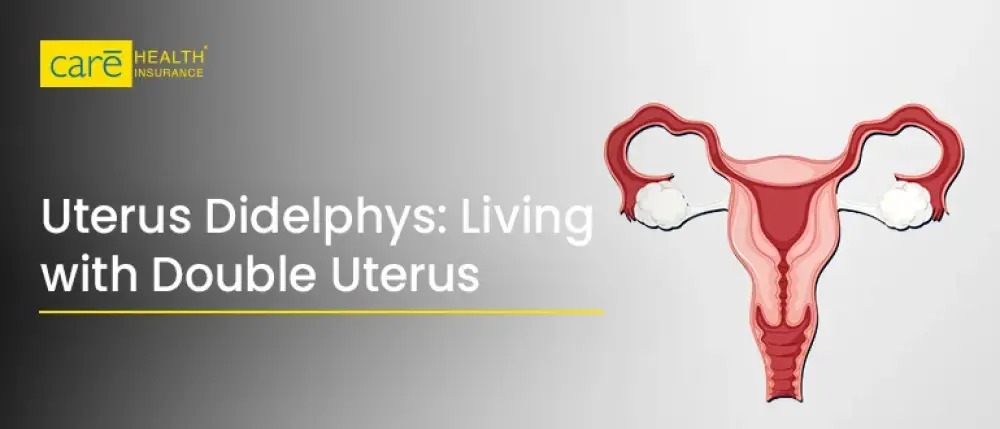
This condition develops before birth and results in the formation of two separate uterine cavities instead of one. For many, discovering this comes as a surprise. Some women live for years without knowing they have it, only finding out during a routine scan or while investigating fertility concerns.
Being a woman with a double uterus doesn’t necessarily mean something is wrong. In fact, many women with this condition lead completely normal lives, with little to no disruption to their health or daily routine.
What Causes Uterus Didelphys?
Understanding the causes of Uterus didelphys begins with early fetal development. This condition occurs when the Müllerian ducts fail to fuse properly, leading to two separate uterine structures.
Key causes include:
- Developmental variation: A natural irregularity during fetal growth, where the ducts do not merge into a single uterus.
- Genetic factors: In rare cases, a hereditary component may influence reproductive development.
- Associated congenital conditions: Sometimes linked with kidney abnormalities due to parallel organ development.
It’s important to note that this condition is not caused by lifestyle, diet, or external factors. A woman with two uteruses is born with this anatomical variation.
What Are the Symptoms of Uterus Didelphys?
One of the most fascinating aspects of this condition is how subtle it can be. Many women don’t experience noticeable symptoms. However, when symptoms do appear, they can include:
- Painful or severe menstrual cramps
- Heavy or irregular bleeding
- Difficulty using tampons
- Pain during intercourse
These symptoms of uterus didelphys can vary greatly from one person to another. A woman with two uteruses might feel that her menstrual cycle is more intense than usual, but often, these signs are mistaken for common period issues. This is why proper diagnosis plays such a crucial role.
How Is Uterus Didelphys Diagnosed?
Detecting this condition requires imaging techniques that provide a clear picture of the reproductive system.
The process of uterus didelphys diagnosis typically involves:
- Ultrasound (often the first step)
- MRI scans for detailed imaging
- Hysterosalpingography (HSG)
Sometimes, the diagnosis happens unexpectedly during pregnancy scans or fertility evaluations. For example, a woman trying to conceive might undergo tests, only to discover that she has two uteruses. While surprising, this knowledge helps doctors plan better care moving forward.
Since diagnosis often involves advanced imaging and specialist consultations, having a reliable health insurance plan can help cover these medical needs and ensure timely care.
What Treatment Options Are Available?
Here’s something reassuring: most women with this condition don’t need treatment. In many cases, uterus didelphys treatment is only required if there are complications. Doctors usually recommend intervention when:
- Symptoms are severe
- There are repeated pregnancy losses
- Structural issues cause significant discomfort
Treatment options may include:
- Medication for pain management
- Surgical correction (rare and highly specific)
- Close monitoring during pregnancy
The approach is typically conservative, focusing on managing symptoms rather than altering the anatomy unless absolutely necessary.
What Is Life Like with Uterus Didelphys?
Living with uterus didelphys is less about limitation and more about awareness.
Most women lead completely normal lives. They work, travel, build families, and pursue their goals just like anyone else.
The key is staying informed and proactive:
- Regular gynaecological check-ups.
- Awareness of any unusual symptoms.
- Early consultation when planning pregnancy.
It’s also wise to be prepared for unexpected medical needs. Conditions like this may require specialised diagnostics or care, and having comprehensive coverage can make a significant difference. Care Health Insurance offers plans designed to support women’s health, including maternity benefits and advanced diagnostic coverage, helping women focus on their well-being without financial stress.
What’s the Difference Between a Bicornuate and a Didelphys Uterus?
It’s easy to confuse these two conditions because they sound similar.
When comparing a bicornuate and a didelphys uterus, the key difference lies in the structure:
- A bicornuate uterus is partially divided, forming a heart-like shape
- A didelphys uterus is completely divided into two separate cavities
This distinction is important because it affects both treatment options and pregnancy outcomes. Understanding the exact condition ensures that women receive accurate guidance and care tailored to their needs.
Can Women with Two Uteruses Get Pregnant?
This is often the first concern and understandably so. The good news is that a woman with a double uterus can absolutely get pregnant. Many women with uterus didelphys have successfully carried pregnancies to term.
However, there are certain risks involved, such as:
- Preterm labor.
- Breech presentation.
- Increased likelihood of cesarean delivery.
- Possible miscarriage in some cases.
With proper medical supervision, these risks can be managed effectively. This is also where planning ahead becomes essential. Pregnancy in such cases may require more frequent doctor visits, specialised scans, and additional care. Having a reliable health insurance plan, such as those offered by Care Health Insurance, can help cover these medical needs, ensuring that financial concerns don’t stand in the way of quality care.
>> Read More: Navigating Body Changes After Uterus Removal
Final Words!
Being diagnosed with uterus didelphys or having two uteruses may feel overwhelming at first, but it’s far from limiting. With proper medical care and awareness, most women lead completely normal, healthy lives.
The focus should be on early diagnosis, regular check-ups, and informed decision-making, especially when planning a pregnancy. Equally important is being financially prepared for unexpected medical needs. Comprehensive coverage from insurance providers can support everything from diagnosis to maternity care, allowing you to prioritise your health with peace of mind.
Ultimately, it’s not the condition that defines you but how confidently you manage it.
Disclaimer: All plan features, benefits, coverage, and claims underwriting are subject to policy terms and conditions. Kindly refer to the brochure, sales prospectus, and policy documents carefully.