
Loading article content...
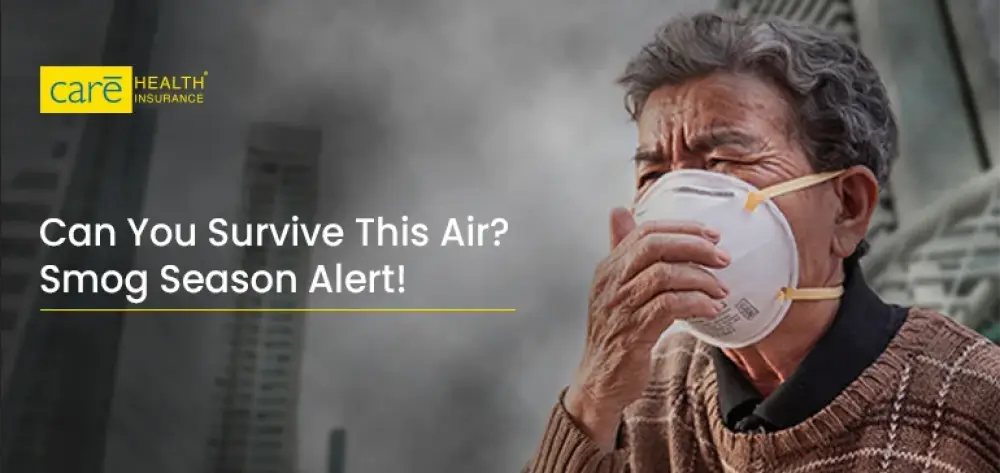
Have you ever stepped outside, taken a deep breath, and instantly regretted it? Symptoms such as burning eyes, an itchy throat, and a heavy chest are signs of exposure to smog.
Smog has increasingly become a persistent issue rather than a seasonal concern, affecting daily life for many individuals. Activities such as morning walks are often postponed, children are frequently kept indoors, and even routine tasks can become more challenging. The health effects of smog might not be evident until serious issues arise, forcing people to deal with the consequences caused by long-term exposure to poor air quality.
To help you reclaim your well-being, we’ve created this Smog Survival Guide. It’s your toolkit for staying safe, filled with practical health tips, quick emergency actions, and essential insurance insights that provide a much-needed safety net. Let’s explore these before the everyday smog seriously affects you.
What is Smog?
Smog is a term for a mixture of smoke and fog, a form of intense air pollution. It significantly reduces visibility by creating a hazy or foggy atmosphere. Smog is commonly found in densely populated cities with high levels of industrial and vehicular activity. This hazardous combination consists of fog, dust, and air pollutants such as nitrogen oxides, volatile organic compounds (VOCs), and other harmful substances. When these pollutants react with sunlight, they form a thick layer of ground-level ozone.
How Smog Affects Your Body: Important to Know!
Did you know that even if you don’t feel unwell, the smog around you could be quietly damaging your health? It's a hidden threat that can affect many parts of your body, so it’s essential to stay aware and take precautions.
Short-Term Effects
When it comes to smog, the impact on our health can be felt almost immediately. Some of the short-term effects you might experience include:
- Cough and sore throat
- Burning eyes
- Headache and tiredness
- Trouble in breathing
Long-Term Effects
Smog can have profound and lasting impacts on our health. Here are some of the long-term effects you might not be aware of:
- Lung damage
- Heart problems
- Low immunity
- Increased risk of asthma and bronchitis
Why is Smog Dangerous?
Smog contains fine particles known as PM2.5, which can infiltrate your lungs and enter your circulatory system. Once they enter the bloodstream, they trigger inflammation, leading to constricted blood vessels and a spike in blood pressure. The effects can be significant. They can lead to worsening COPD and asthma, and they may also raise the chance of having a heart attack. This 'invisible' threat is dangerous for vulnerable groups, including:
- Children and the Elderly (whose respiratory systems are more sensitive)
- Pregnant Women
- Individuals with pre-existing heart or lung conditions
Ways To Protect Yourself from Smog Health Effects
You cannot control the air outside, but you can control how you respond to it. Here are some practical ways to protect your health and breathe easier during smog season:
Know Your Air: Your Daily AQI Checklist
Stay safe by being aware of the air quality every day. Check websites or apps such as AQI India or Google Weather to find out the Air Quality Index (AQI) in your city.
| AQI Level | Category | What You Should Do |
|---|---|---|
| 0 - 50 | Good | Perfect air quality for all outdoor activities. |
| 51 - 100 | Moderate | Safe for most, but those with respiratory issues should stay alert. |
| 101 - 200 | Unhealthy | Limit outdoor activities. Everyone should start taking precautions. |
| 201 - 400 | Very Poor | Stop going outdoors and keep your indoor air clean by using air purifiers. |
| 400+ | Severe / Hazardous | Stay strictly indoors and use high-grade masks if travel is vital. |
Wear a Mask Before Stepping Outside: The Shield Strategy
When you need to leave the house or go outside, always wear a mask to protect yourself from harmful air pollutants, such as PM2.5 (Fine Particulate Matter). This pollutant is toxic and can harm your health if you inhale it. You can choose from three types of masks: N-rated, P-rated, and R-rated. The basic N95 mask filters up to 95% of PM2.5. The N99 mask filters up to 99%, and the N100 mask filters almost all (100%) air pollutants.
Build Your Internal Shield: Eat to Beat the Haze
Did you know that smog creates free radicals? These radicals are unstable molecules that can be tough on your cells. But don’t worry, you can protect yourself. By loading up your plate with delicious antioxidants, you can neutralise that stress and keep your body feeling great. Some of them include:
- The vitamin C squad: Oranges, pomegranates, and berries help repair tissue and boost immunity.
- Deep greens & bright roots: Spinach, broccoli, and carrots provide the beta-carotene your lungs need.
- The inflammation fighters: Walnuts, flaxseeds, and fatty fish are packed with Omega-3s to soothe irritated airways.
- The golden rule, Stay hydrated: Water helps your body clear out toxins and thin mucus. It works like a natural flush.
Guardians of Health: Protecting Those Who Need it the Most
Smog affects those already battling health issues the most. If you or a loved one has a history of heart disease, stroke, or respiratory problems, proactive care can be your greatest asset.
- Follow your medication routine consistently to keep your body's defences strong.
- Always keep your inhaler with you. Make it an essential item in your purse or pocket.
- Think carefully before sending your elders for morning walks or outdoor activities. Doing so can seriously affect their health.
- If you experience worsening symptoms like chest pain or shortness of breath, do not hesitate to seek medical advice immediately.
The Green Filter: How Reforestation Clears Skies
Planting trees is one of the most sustainable ways to combat air pollution. Trees play a crucial role in cleaning the air by capturing delicate particulate matter and neutralising harmful gases. A healthy tree can absorb several kilograms of carbon, helping significantly slow global warming. Expanding our home with green cover is the most effective way to improve local air quality and restore the natural balance of our environment.
When Should You Seek Medical Help?
Smog-related symptoms can develop rapidly. It's essential to monitor your body's reaction to poor air quality. Seek medical attention if you experience any of the following symptoms:
- Persistent irritation: If you have a dry cough, sore throat, or stinging eyes that persist in clean air, seek medical help.
- Respiratory distress: If you have worsening wheezing, shortness of breath, or difficulty taking deep breaths, pay close attention to these symptoms.
- Cardiovascular red flags: If you notice sudden chest tightness, pain, or a rapid heartbeat, pay close attention.
- Neurological signs: Unusual dizziness, mental fog, or sudden fatigue may indicate that your body needs medical help.
Don't Ignore the Insurance Coverage That Can Help You!
Did you know your health insurance might cover illnesses caused by smog? Many people are surprised to find that their plan can help with pollution-related health issues. It’s essential to learn how your coverage can support your health despite environmental challenges.
What Your Health Insurance May Cover
- Doctor Consultation (Unlimited E-consultation)
- Hospital Stays (pre- and post-hospitalisation)
- Treatment for asthma, bronchitis, and lung infection
- Emergency Care
Specific insurance policies even extend their coverage to include respiratory problems linked to air pollution, particularly when these conditions result in hospitalisation. This means that if you find yourself battling health issues due to poor air quality, you may have some financial protection in place. Consider Care Health Insurance when looking for health insurance. It's a solid choice that offers comprehensive coverage at affordable premiums.
>> Read More: Air Pollution: A Leading Cause for Respiratory Diseases
Stay Safe Until the Skies Clear
We can’t control the air outside, but we can control how we protect ourselves. Smog season can feel tough, but it doesn't have to disrupt your life. By making a few small changes, like checking the air quality index (AQI) before going out, wearing a proper mask, and eating healthy foods, you give your body a better chance to stay well.
Your health is your most important asset, so make sure you have your insurance and emergency plans ready just in case. Stay safe, look out for your family, and remember that even small steps can make a big difference in how you feel.
Disclaimer: The above information is for reference purposes only. Kindly consult your general physician for verified medical advice. The health insurance benefits are subject to policy terms and conditions. Refer to your policy documents for more information.