
Loading article content...
Are you struggling to get out of bed for a vital morning meeting even though you slept well? Even repeated cups of coffee offer no relief, and exhaustion persists. Even before the day begins, you already know it’ll be filled with constant brain fog, scattered focus, and depleted energy levels. The culprit might not just be a lack of sleep; it could be that your hormones are out of balance.
Imbalanced hormones can affect your stamina, emotional balance, and ability to stay sharp throughout the day. Let’s start with a quick reality check.
Quick Poll:
What’s your biggest morning struggle?
- Can’t wake up on time.
- Mood swings
- Weight fluctuations
- Irregular cycles
If these morning struggles sound familiar, you’re not alone! Millions of women face these hormonal hurdles. And the good news? Healing doesn’t always need medications. You can restore hormonal balance through natural habits, allowing your body to function at its best.
This leads to the big question: what are the natural habits that can actually balance your hormones and bring tangible improvements to your everyday life?
What Does “Hormones in Balance” Mean for Women?
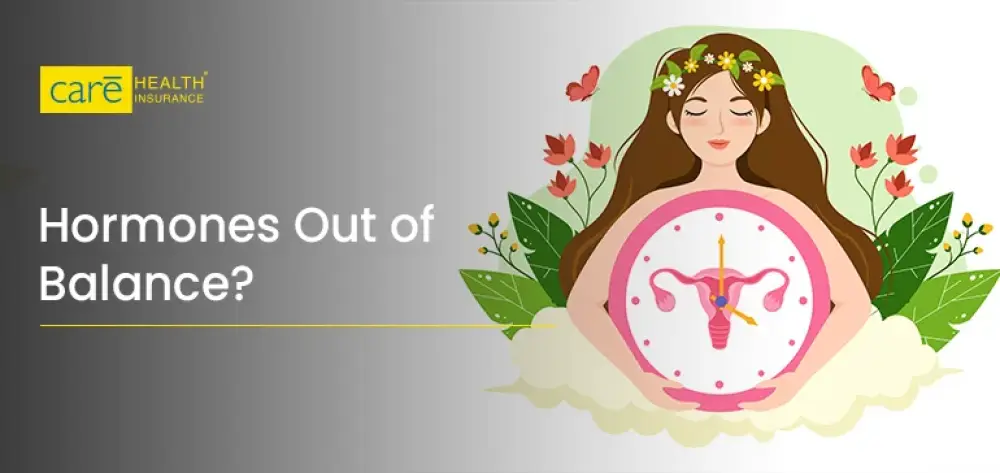
For women, hormonal balance is like a symphony of hormones that hit all the right notes at the right time. In other words, estrogen, progesterone, and thyroid hormones are working in harmony. When they move together smoothly, your cycles run smoothly, energy levels remain consistent, emotions are balanced, and reproductive health is optimal.
What are the Signs of Hormonal Imbalance?
Have you ever wondered why some days you’re unstoppable while other days, leaving the pillow feels like a monumental task? Your hormones could be throwing a tantrum. Let’s find out how your body signals when hormones are off balance.
Menstrual & Reproductive
Hormones play a central role in maintaining menstrual and reproductive health. If hormones fall out of sync, small or noticeable changes begin to appear.
- Irregular Periods: Cycles missed, usually heavy or unpredictable.
- Severe PMS: Strong mood swings, bloating, or discomfort before periods.
- Infertility: Trouble conceiving due to ovulation problems.
Physical & Metabolic
Hormones guide how your body uses energy and fat. If they’re out of balance, you may notice changes in weight, skin, hair, and overall well-being.
- Weight Changes: Unexplained gain or loss without changes in activity or diet.
- Skin Issues: Stubborn acne (often on jawline), dryness, or premature ageing.
- Hair Changes: Thinning scalp hair or unwanted facial/body hair.
- Digestive Problems: Bloating, cramps, constipation or diarrhoea.
Emotional & Sleep
Hormones play a significant role in mood, stress, and sleep. When they fluctuate, you may feel off, anxious or exhausted.
- Mood Swings: Frequent irritability, anxiety or feelings of depression.
- Sleep Problems: Insomnia, night sweats, or restless nights.
Other Signs
Many bodily functions, for instance, focus and temperature regulation, are hormone-driven. Even minor signs can point to an imbalance.
- Hot Flashes: Sudden heat surge, especially around menopause
- Cognitive Issues: Headaches, brain fog, or trouble focusing.
Whatever your specific signs are, addressing hormonal balance can make a profound difference. Say goodbye to emotional swings and worries about reproductive hiccups with maternity health insurance. It’s got you covered with maternity care, newborns, pre- and post-hospitalisation, daycare treatments, and ambulance support, managing the details so you can fully embrace the journey of parenthood.
Why Hormonal Imbalance Happens in Females?
Hormones in women have a critical job, regulating periods, metabolism, and overall well-being. When everyday stressors or health conditions interfere, it’s no wonder the body feels out of sync.
- Chronic Stress: Too much stress can disrupt hormones, which can negatively affect your sleep, mood, and hunger.
- Insufficient Sleep: Sleep deprivation can interfere with hormone production and regulation.
- PCOS: One of the most common hormonal disorders, affecting roughly 6-13% women of reproductive age, often triggers high male hormones, unpredictable cycles, as well as difficulties conceiving.
- Thyroid Disorder: Hypo or hyperthyroidism can throw off metabolism, emotions, and overall vitality.
- Medications: Certain medications like birth control, steroids, and cancer treatment may alter hormone levels temporarily or long-term.
- Environmental Toxins: Exposure to pesticides, BPA, and other synthetic chemicals can disrupt the body’s hormonal balance.
Hormone Fact-Check: Hormone imbalance doesn’t always mean too much or too little. Even normal hormone levels can cause trouble if they’re released at the wrong time.
7 Natural Tricks to Restore Hormonal Harmony
If coffee isn’t fixing your tiredness and sleep isn’t solving your stress, your hormones could be pulling the strings behind the scenes. Before turning to hormonal imbalance medicine, explore the following seven natural ways to balance hormones fast and help your body find its flow again:
- Eat by Your Clock (Not just Calories): A simple home remedy for hormonal imbalance that syncs your meals with your body’s circadian rhythm. Biologically, glucose is metabolised more efficiently during the day. Eating during daylight hours not only helps maintain steady blood sugar but also helps prevent cortisol spikes and promotes healthier estrogen metabolism.
- Seed Cycling: A natural practice of rotating specific seeds eaten during different phases of the menstrual cycle to support estrogen and progesterone balance. For instance, eating flax and pumpkin seeds in the first phase, then sunflower and sesame seeds in the second, provides essential nutrients like lignans, zinc, and omega-3s. These nutrients help ease PMS and PCOS symptoms and support menstrual regularity.
- Morning-Sunlight Therapy: A free way to restore hormonal balance again by resetting your circadian rhythm, the body’s natural timing system that governs key hormones like cortisol, melatonin, and serotonin. Just 10-30 minutes of early daylight exposure increases vitality and well-being. It supports restful sleep, maintains vitamin D production, and helps maintain balanced hormones.
>> Read More: 8 Unexpected Mental Health Benefits of Nature You Must Know
- Protein Before Caffeine: A simple habit to balance hormones naturally, as it keeps stress hormones in check, prevents blood sugar spikes, and supports healthy hormone production. A protein-rich breakfast before your morning cup of coffee stabilises neurotransmitter levels, minimises adrenal stress, and helps hormone equilibrium throughout the day.
- Switch to Glass or Steel for Food Storage: Another simple home remedy for hormonal imbalance that helps reduce exposure to endocrine-disrupting chemicals, such as BPA and phthalates, commonly found in plastic. They can mimic estrogen and throw hormones out of balance. However, inert containers like steel or glass can help keep hormones stable.
- Cold-Warm Contrast Showers: These showers support hormonal balance by regulating stress hormones such as cortisol, stimulating blood flow, and activating endorphins and alertness hormones. Biologically, alternating temperatures reduce inflammation, enhance nutrient absorption, and support better immune function in women.
- Nighttime Magnesium Ritual: Magnesium is a powerful home remedy for balancing hormones, helping regulate key hormones like estrogen, progesterone, and cortisol, while reducing symptoms associated with PMS or menopause. Incorporate magnesium-rich foods such as spinach, almonds, and dark chocolate, or take magnesium supplements nightly with an Epsom salt bath, for best results over 2-4 weeks.
Lifestyle factors, including diet, exercise, and sunlight exposure, support hormone stability. Pair these natural tips with a healthcare practitioner to ensure they suit your unique body and cycle.
Natural Remedies vs Hormonal Imbalance Medicine
Hormone balance isn’t a battle of herbs versus pills. Some hormone troubles just need specific lifestyle tweaks, and not every hormonal imbalance can be fixed naturally. The smart approach? Identifying the line between natural support and medical intervention.
| Aspect | Natural Remedies | Hormonal Imbalance Medicine |
|---|---|---|
| What do they include? | Nutrition tweaks, exercise, quality sleep, stress management, herbal support, and sunlight exposure. | Clinically prescribed hormonal treatments such as birth control pills, thyroid meds, and insulin regulators. |
| How do they work? | Encourage the body’s natural hormone production and regulation | Step in to alter hormone levels through medical intervention. |
| Speed of results | Progresses gradually with consistent use | Provides quicker and noticeable results |
| Best for | Suited for early signs and lifestyle-driven issues | Needed when imbalances are stronger or when medical disorders are confirmed. |
| Root-cause focus | Works on the root causes of lifestyle and metabolic imbalances. | Primarily managed symptoms according to medical diagnosis. |
| Side effects | Minimal risk when practised correctly. | It may involve side effects, and medical monitoring is advised. |
| Long-term use | Safe for long-term use | Involves regular follow-ups and dosage tweaks. |
| Ideal Approach | A gentle first move or supportive care | Required when lifestyle measures or home remedies fall short. |
Home remedies support balance; they aren’t a one-size-fits-all solution. You can start with natural approaches, but don’t hesitate to consult a doctor if symptoms worsen or persist.
DIY Seed Cycling Guide for Hormonal Balance
Seed cycling supports hormonal balance by rotating four seeds across your menstrual cycle. Consuming1-2 tablespoons daily provides essential nutrients, including zinc, lignans, selenium, and omega-3 fatty acids, which may help maintain balanced estrogen and progesterone levels.
Step 1: Know your Phases
Rotate seeds according to your cycle. During the Follicular Phase (Day 1-14), consume flax and pumpkin seeds to support estrogen and metabolism. In the Luteal Phase (Day 15-28), opt for sesame and sunflower seeds to promote progesterone levels and help in clearing excess estrogen.
Step 2: Prep & Store Seeds
Always choose raw, unroasted, unsalted seeds to retain nutrients. Use a coffee or spice grinder to grind flax and sesame for better absorption. Store seeds or ground mixes in airtight glass jars to keep them fresh.
Step 3: DIY Ways to Consume Seeds
Incorporate seeds easily by sprinkling on oatmeal or yoghurt. You can also make energy bliss balls with dates and nut butter. Alternatively, use them in place of nuts in pesto for a hormone-friendly twist.
Step 4: Track Your Progress
For best results, follow the seed rotation daily for 3 to 4 cycles. Monitor improvements in PMS, skin, and cycle regularity, and record moods, energy, and symptoms to closely track your progress.
Ready to give your hormones a natural boost with seed cycling?
AYUSH Ways to Balance Hormones!
Seed cycling, morning sunlight, protein timing, contrast showers, magnesium rituals and mindful eating have shown real results in supporting hormone balance and overall well-being. These natural remedies and lifestyle practices offer a powerful punch on their own, but combining them with AYUSH treatments under expert guidance takes your hormonal harmony to the next level, providing personalised, practical, and holistic advice.
Complement your path to hormonal harmony with a trusted individual health insurance policy that offers AYUSH coverage, providing 360-degree protection and confidence at every stage of your wellness journey.
Disclaimer: All plan features, benefits, coverage and claims underwriting are subject to policy terms and conditions. Kindly review the brochure, sales prospectus, and policy documents carefully.