
Loading article content...
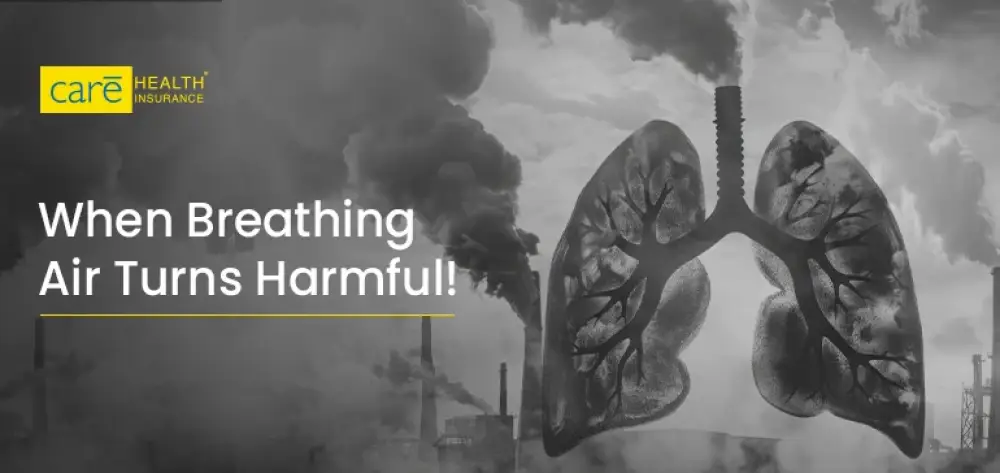
Air pollution is not a “coming soon” crisis.
It is happening RIGHT NOW.
Air pollution has become one of the biggest environmental health concerns in India. Increasing vehicle emissions, industrial smoke, and seasonal smog are all contributing to poor air quality, directly impacting the health of millions. Many people think of pollution as something that causes coughing or makes it hard to breathe, but the reality is more serious. Air pollution can silently and gradually damage the lungs and heart, affecting even those with no prior lung problems.
The scary part? Most of this damage is silent and slow.
In this blog, you'll learn how today’s air pollution levels are affecting people's health, what new health concerns are arising, and why our lungs are being impacted. Additionally, you'll find some simple tips on how to protect your breathing and stay healthy.
What exactly is Air Pollution?
Air pollution is contaminated air from gases, chemicals, and particles ejected by vehicles, factories, and fires, harming health (respiratory and heart issues) and the environment. It includes primary and secondary pollutants (such as smog), which affect indoor and outdoor environments and pose global health risks.
The Tiny Pollutants Hiding in the Air
Some of the most hazardous pollutants are so tiny that they're invisible. The most harmful of these include:
- PM2.5: fine particles entering the bloodstream
- PM10
- Nitrogen dioxide (NO₂)
- Sulphur dioxide (SO₂)
- Carbon monoxide
- Smoke
- Dust and construction debris
- Industrial and chemical pollutants
PM2.5 particles are the most hazardous because they are tiny, 30 times thinner than a human hair and can penetrate deep into the lungs and bloodstream.
How Air Pollution Affects Lung Health?
The lungs are among the first organs to respond when we breathe in polluted air. When exposed, they can experience a variety of effects on the respiratory system, ranging from temporary issues to long-lasting problems. Some of the lung issues caused by air pollution include:
Irritation and Inflammation of Airways
Air pollution can really upset the delicate lining of our respiratory tract. Even just spending a few hours exposed to it might cause some issues, such as:
- Cough
- Throat burning
- Wheezing
- Chest tightness
- Mucus accumulation
Symptoms tend to be more serious in children, asthma patients, and the elderly, highlighting the need for extra care and attention for these groups.
Worsening of Asthma Symptoms
Air pollution is one of the primary triggers for asthma attacks, often causing the airways to become inflamed and more sensitive. Usually, this leads to reactions like:
- Breathlessness
- Intense coughing
- Chest heaviness
- Increased use of inhalers
Increased emergency visits for asthma are often reported in cities due to high AQI.
Chronic Obstructive Pulmonary Disease (COPD)
Prolonged exposure to polluted air can lead to COPD, a progressive condition that makes breathing very hard. Common symptoms include:
- Chronic cough
- Shortness of breath, even while resting
- Frequent chest infections
Pollution accelerates lung damage in smokers, making them especially more vulnerable.
Lung Cancer
While smoking is still the leading cause of lung cancer, spending a lot of time in polluted air also significantly contributes to its development. Tiny particles like PM2.5 carry dangerous toxins that can go deep into your lungs and harm cells over time. Being regularly exposed to these pollutants can increase the risk of cellular changes that might eventually lead to cancer.
Higher Risk of Respiratory Infections
Breathing polluted air damages the lungs’ defence system, making it easier for germs like bacteria and viruses to infect the respiratory passages and cause illnesses such as:
- Bronchitis
- Pneumonia
- Sinus infections
- Frequent common cold
When immunity is low and the air is polluted, people are more likely to get sick more often, and it also takes longer for infections to heal.
How Air Pollution Affects Heart Health?
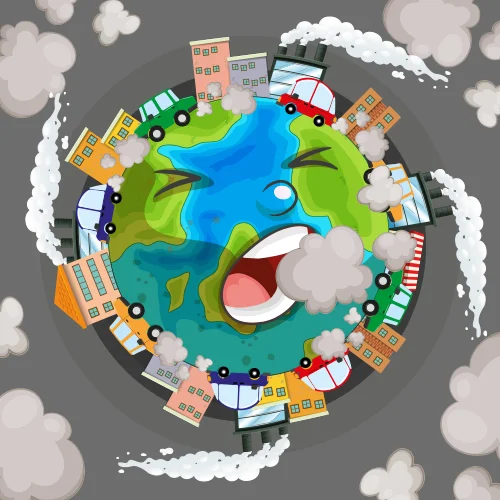
Although the effects on the lungs are more obvious, air pollution also significantly impacts the heart. Polluted particles can enter the bloodstream, damaging blood vessels and interfering with the heart's rhythm and function. Some of the heart problems everyone may experience during air pollution include:
High Chances of Heart Attacks
Air pollution can lead to inflammation and narrowing of blood vessels, which reduces the flow of oxygen to your heart. This increase in risk can make heart problems more likely.
- Heart attacks
- Angina (chest pain)
- Sudden cardiac events
Higher Risk of Stroke
Air pollution, which carries tiny particles, can make your blood thicker and slow down its flow to your brain. This might increase the risk of strokes, especially for those with high blood pressure or diabetes.
Abnormal Heart Rhythm (Arrhythmias)
Toxic particles in the bloodstream can interfere with the heart's electrical system, which might sometimes lead to unexpected issues such as:
- Heart palpitations
- Skipped beats
- Shortness of breath
- Anxiety
- Fatigue
This could be risky for those with underlying heart conditions.
Risk for Heart Failure Patients
People with fragile heart health can be sensitive to pollution. Even small amounts of exposure can worsen symptoms such as breathlessness, swelling, and fatigue, sometimes leading to emergency hospital visits. It's essential to take extra care to protect their well-being.
Common Symptoms Caused by Air Pollution
Air pollution can sneak into our daily lives through subtle symptoms that many of us might overlook. These early signals are actually our body’s gentle way of asking for help, reminding us to pay closer attention and take action. Some of the symptoms may include:
- Coughing persistently
- Breathlessness
- Chest tightness
- Fatigue
- Headaches
- Palpitations
- Burning eyes
- Sore throat
Who is Most at Risk?
Pollution impacts us all, but especially puts certain groups at greater risk. These include:
- Children
- Elderly people
- Heart patients
- Asthma or COPD patients
- Pregnant women
- Individuals with diabetes or hypertension
- Outdoor workers (delivery workers, traffic police, labourers)
When pollution levels are high, it's good for these people to take extra precautions to stay safe.
Practical Ways to Protect Yourself from Polluted Air
While air pollution remains a significant environmental concern, there are practical steps you can take to safeguard your health and lessen its effects on your body. Some of these helpful actions include:
Monitor the AQI Daily
Checking the Air Quality Index (AQI) daily is a simple way to stay informed about when you might need to take extra precautions. Consider these tips to keep yourself safe and comfortable.
- Avoid going outside when the AQI is above 150. Even at lower levels, sensitive individuals should exercise caution.
- It's recommended to wear either an N95 or an N99 mask to stay protected.
- Regular cloth masks provide minimal protection. It is better to use certified anti-pollution masks.
Keep Indoor Air Clean
Since we spend much of our time indoors, it's important to keep the indoor air clean for our lung health. Here are some simple ways to do that:
- Use air purifiers to help filter out pollutants.
- Keep doors and windows closed on days with a high AQI to prevent outdoor pollution from coming in.
- Try to avoid burning incense, candles, or smoking indoors, as these can add to indoor air pollution.
Eat Right for Healthier Lungs
Your diet and hydration are crucial for helping your body cope with polluted air. Drinking enough water and eating the right foods can boost lung health and immunity.
- Add tulsi, turmeric, ginger, jaggery, vitamin C, nuts, and seeds to your diet to protect your body.
- Drink plenty of water to keep your airways moist and help flush toxins.
- Try to include warm fluids such as herbal teas or comforting soups.
- Stay away from processed and fried foods, as they can increase inflammation.
- Choose fresh, homemade meals whenever you can.
Improve Lung Health
Healthy lungs are better able to manage pollution. Incorporating regular breathing exercises and mild physical activity into your routine can enhance lung health. To shield yourself from air pollution, consider these daily practices:
- Deep breathing
- Yoga
- Indoor workouts
- Steam inhalation can support lung function.
Avoid Outdoor Workouts in Polluted Air
When air quality is poor, outdoor exercise could lead to exposure to higher pollution levels. It's a good idea to avoid:
- Morning walks
- Jogging
- Outdoor exercise
When to See a Doctor
Please seek immediate medical attention if you experience any of these symptoms.
- Worsening asthma
- Severe cough
- Chest pain
- Palpitations
- Shortness of breath
- Recurring lung infections
- Dizziness or fainting
The Hidden Cost of Breathing Polluted Air
Long-term exposure to polluted air can quietly harm your lungs, increase the risk of chronic respiratory and heart problems, and accelerate lung ageing. Being aware and taking early steps can make a real difference. Minor lifestyle adjustments, protective habits, and regular health check-ups can help prevent more serious problems.
Buying the Critical Illness Health Insurance can also play a significant role during this difficult time. It can give you quick access to doctors and treatments if pollution-related illnesses occur, helping you stay at ease while you focus on your health. So make sure to buy the insurance before it's too late.
The Takeaway: Act Before It’s Too Late!
Air pollution is an unseen threat that quietly damages your lungs, turning each breath into a health concern. Understanding how pollution affects your respiratory system is crucial to safeguarding it. Staying updated, choosing healthy habits, and seeking medical help promptly can reduce the impact of polluted air and preserve your lung health. Protect your lungs, as they serve as your body’s vital filter.
Disclaimer: The above information is for reference purposes only. Kindly consult your general physician for verified medical advice. The health insurance benefits are subject to policy terms and conditions. Refer to your policy documents for more information.
