
Loading article content...
Do you feel low on energy, unmotivated, or just “not yourself”? It might surprise you, but your testosterone levels could have something to do with it.
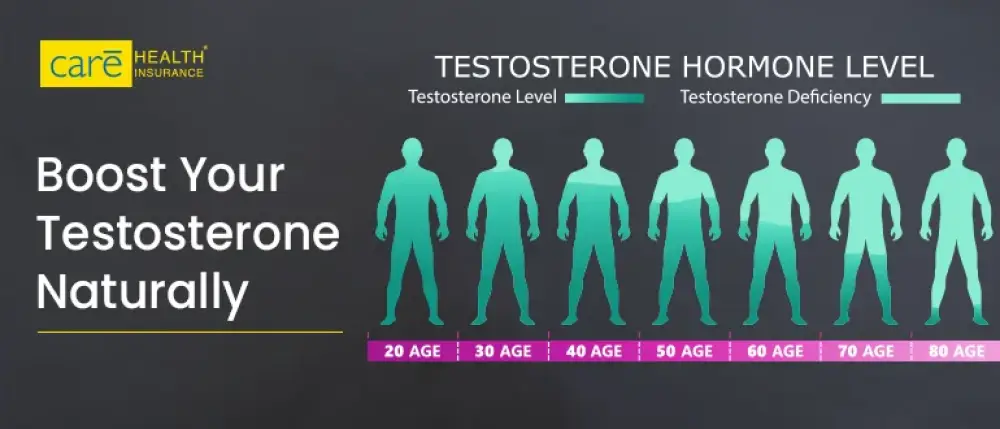
Now, testosterone isn’t just about building muscle or boosting libido. It’s a hormone that influences your energy, mood, fat metabolism, and overall drive in life. And here’s the catch: modern lifestyles filled with stress, poor diets, late nights, and too much screen time are quietly lowering testosterone in men and women alike.
But the good news? You don’t need expensive pills or risky treatments to fix it. With the right lifestyle changes, you can learn how to increase testosterone naturally and keep your body and mind performing at their best.
What Happens If Your Testosterone Is Low?
Low testosterone doesn’t hit you like a sudden illness; it creeps in. You might notice fatigue that doesn’t go away, stubborn belly fat, less motivation to work out, or even mood swings. Some people also see a dip in their sex drive.
The causes? Stress, lack of sleep, weight gain, poor nutrition, or just not moving enough. The solution? Figuring out how to naturally increase testosterone and making small, consistent changes that stack up big over time.
Knowing how to increase testosterone naturally can help you tackle these issues before they spiral into more serious health concerns.
How To Increase Testosterone Naturally?
Let’s explore the eight natural ways to boost testosterone and reclaim your energy.
Sleep is the Secret
Think of sleep as your body’s “reset button”. During deep sleep, your body produces most of its testosterone. Studies even show that sleeping less than 5 hours a night can slash testosterone by up to 15%. That’s huge!
Here’s how you can fix it:
- Stick to 7–9 hours of sleep per night.
- Keep your bedroom dark and cool.
- Put your phone away an hour before bed.
If you’re serious about learning how to increase testosterone, start with your sleep - it’s free, simple, and incredibly effective.
Eat to Fuel Your Hormones
What you eat directly affects how your hormones function. A nutrient-rich diet provides the essential building blocks for testosterone production.
Proteins play a crucial role in muscle repair and maintaining hormonal balance.
Healthy fats (avocados, nuts, olive oil) support cholesterol metabolism, which is crucial for testosterone synthesis.
Micronutrients such as zinc, magnesium, and vitamin D have been proven to support hormonal health.
Foods that boost testosterone naturally: eggs, leafy greens, fatty fish, nuts, seeds, and lean meats.
Avoid processed sugar, excessive carbohydrates, and trans fats, as they contribute to insulin resistance, which can lower testosterone levels.
Lift Heavy, Train Smart
You don’t need to live in the gym, but the right workouts can do wonders.
- Resistance training (weightlifting): Increases muscle mass and stimulates testosterone production.
- High-Intensity Interval Training (HIIT): Short bursts of intense exercise, followed by recovery, improve hormonal balance and promote fat loss.
Even 30 minutes of compound exercises like squats, deadlifts, and push-ups, 3–4 times a week, can give a significant boost to testosterone levels. So if you’ve been looking for a reason to hit the weights, finally, here it is.
Stress is Your Enemy
Stress triggers the release of cortisol, a hormone that directly suppresses testosterone production. Chronic stress means chronically low testosterone.
Simple stress-management techniques:
- Meditation or yoga for 10 minutes daily.
- Journaling to declutter your mind.
- Regular walks in nature.
If you’re seeking sustainable methods on how to increase testosterone, managing stress is non-negotiable.
Keep Your Weight in Check
Obesity is one of the strongest predictors of low testosterone. Excess body fat increases estrogen levels and reduces testosterone. On the other hand, maintaining a healthy weight supports optimal hormone balance.
- Focus on a calorie-controlled diet.
- Combine strength training with cardio.
- Keep track of progress by monitoring your waist-to-hip ratio, rather than just relying on the weighing scale.
Even modest weight loss can provide a noticeable boost for testosterone, improving mood, energy, and libido. Focus on eating clean and staying active - you’ll not only look leaner but feel stronger too.
Soak Up the Sunshine
Vitamin D, often referred to as the "sunshine vitamin," is also a hormone that directly affects testosterone production. Studies show that men with higher Vitamin D levels tend to have higher testosterone levels.
Ways to increase Vitamin D:
- Spend 15–20 minutes in sunlight daily.
- Include vitamin D-rich foods like salmon, fortified milk, and egg yolks.
- Consider supplements if levels are too low (after testing).
Sometimes, the most straightforward answer to how to increase testosterone is as easy as stepping outside.
Cut Back On Alcohol
That extra beer or weekend binge could be quietly hurting your testosterone. Alcohol consumption is a silent testosterone killer. Regular or heavy drinking damages the testes, raises estrogen levels, and disrupts sleep, all of which lower testosterone. Similarly, drug use and smoking significantly harm hormonal balance.
You don’t need to give it up completely - just drink in moderation or save it for special occasions. Your testosterone will thank you.
Be Consistent, Not Perfect
Here’s the truth: none of these changes work if you only do them for a week. Testosterone thrives on routine. That means showing up every day for your sleep, your workouts, your meals, and your stress management.
Think of it like building a house - you can’t stop after laying a few bricks. Every good meal, every workout, every night of quality sleep - it all adds up to a stronger, healthier you.
Do You Really Need Supplements To Boost Testosterone?
Not necessarily. Most people don’t. Sure, if you’re deficient in something like zinc, magnesium, or vitamin D, supplements might help. But if your diet and lifestyle are on point, you already know how to increase testosterone naturally without spending a fortune.
But remember, supplements should only be the icing on the cake - not the cake itself.
When Should You See A Doctor About Low Testosterone?
Natural methods work for most people, but sometimes low testosterone can be more serious. If you’re constantly exhausted, depressed, or struggling with low libido despite making lifestyle changes, it’s a good idea to see a doctor. In some cases, Testosterone Replacement Therapy (TRT) may be needed, but that should always be a last resort and done under medical supervision.
And here’s where being prepared really matters: medical consultations, diagnostic tests, or long-term treatments can often be expensive. Having a trusted partner like Health Insurance ensures that when you do need professional help, financial stress doesn’t stand in the way of your recovery. It gives you the freedom to focus on regaining your energy, strength, and hormonal balance without worry.
Wrapping It Up: Your Testosterone Game Plan
So there you have it - 8 natural ways to increase testosterone without gimmicks or shortcuts. Let’s recap:
- Sleep well.
- Eat for your hormones.
- Exercise smart.
- Manage stress.
- Keep your weight in check.
- Get your vitamin D.
- Cut back on alcohol.
- Stay consistent.
- Boosting testosterone isn’t about quick fixes; it's about building habits that keep you healthy, confident, and full of energy for the long run.
If you’ve been wondering how to increase testosterone naturally, the answer is right here. Start small, stay steady, and soon enough, you’ll feel the difference.
Disclaimer: All plan features, benefits, coverage, and claims underwriting are subject to policy terms and conditions. Kindly refer to the brochure, sales prospectus, and policy documents carefully.