
Loading article content...
Did you know that most vertebrates (animals with backbones), such as cows, rodents, mosquitoes, and bats, can spread an infectious disease that can be fatal? This disease is called a zoonotic disease, and it apparently accounts for approximately 2.7 million deaths per year globally. Many deaths caused by these diseases often go underreported, especially in low-income regions.
In this blog, we’ll unfold zoonotic diseases, their types, symptoms, causes, how they are diagnosed, what their risk factors are, and much more. So, without further ado, let’s get started.
What is a Zoonotic Disease?
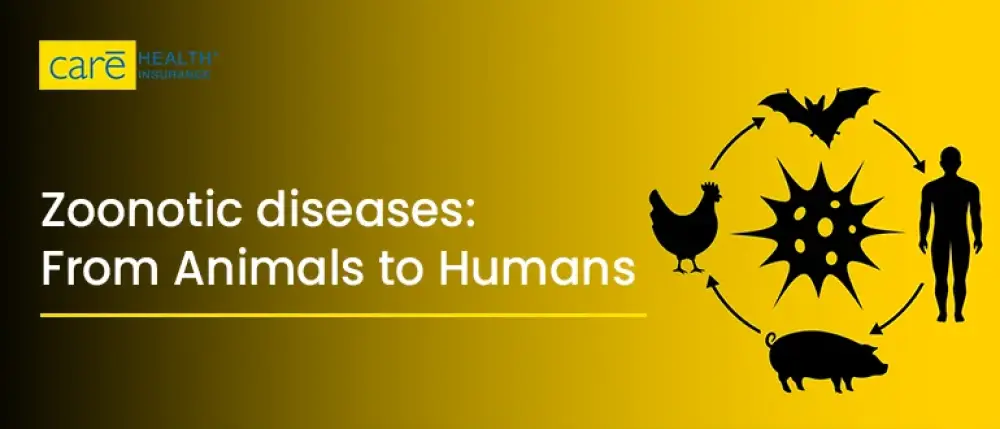
Also known as zoonoses, these infectious diseases spread between animals and humans and are caused by germs such as bacteria, viruses, parasites, and fungi. They spread through direct or indirect contact with infected animals, animal products, and contaminated food/water.
Beyond this, zoonotic diseases can also spread through being bitten by an insect that carries the germ from an animal, such as Lyme disease and Malaria, and consuming unpasteurized milk and undercooked meat, such as Salmonellosis.
Types of Zoonotic Disease
Zoonotic Diseases are classified into 3 types based on the pathogen, the direction of spread, and the mode of transmission. Here’s a breakdown of each type in detail:
Based on Pathogen Type: Categorised based on organisms causing the disease
- Bacterial zoonoses: Caused by bacteria
Example: Tuberculosis, Brucellosis, Salmonellosis
- Viral zoonoses: Caused by viruses
Example: Rabies, COVID-19, Avian Influenza
- Parasitic zoonoses: Caused by parasites
Examples: Malaria, Leishmaniasis, Toxoplasmosis
- Fungal zoonoses: Caused by fungi
Examples: Histoplasmosis, Ringworm
Based on Direction of Spread: Categorised by how the infection spreads between humans and animals
- Anthropozoonoses: Animal to human transmission
Examples: Rabies, Leptospirosis
- Zooanthroponoses: Human to animal transmission
Examples: Tuberculosis, COVID-19
- Amphixenoses: Both ways of transmission
Examples: Brucellosis, Influenza A
Based on Mode of Transmission: Categorised based on how the disease spreads:
- Direct transmission: Through contact with infected animals (bites, scratches, body fluids)
Examples: Rabies, Ringworm
- Indirect transmission: Through contaminated surfaces, soil, or water
Examples: Salmonellosis, Leptospirosis
- Vector-borne transmission: Through insects like ticks and mosquitoes
Examples: Malaria, Lyme Disease
Symptoms of Zoonotic Disease
Although symptoms of zoonotic diseases vary depending on their types, here are the most common ones:
- Fever
- Headache
- Fatigue
- Nausea and vomiting
- Rash
- Bodyache
- Diarrhea
- Neck or jaw stiffness
What Causes Zoonotic Disease?
Zoonotic diseases are transmitted from animals to humans through pathogens, including bacteria, viruses, parasites and fungi. This spread can happen through several primary pathways, such as:
Direct Contact
This usually occurs when a person comes into physical contact with an infected animal or its bodily fluids, such as saliva, urine, blood, mucus, or faeces. The disease-causing pathogens can enter the body through broken skin, animal bites or scratches, or eyes, nose and mouth. Common examples of zoonotic diseases caused through direct contact include rabies, ringworm, and leptospirosis.
Indirect contact
Getting in contact with contaminated surfaces where germs stay can also cause zoonotic disease. Examples of such contaminated surfaces include animal bedding, cages, soil, or other objects in the animal’s environment. Touching these surfaces and then touching your eyes, nose, or mouth can allow pathogens to enter the body and cause infection.
Vector-Borne
Vectors are insects that carry disease- causing pathogens from infected animals to humans. They become infected after feeding on an infected animal, and then transmission starts through their bites. Common examples of such vectors include mosquitoes, fleas, ticks and sandflies.
Foodborne
Another common cause of zoonotic disease is consuming undercooked or contaminated animal products. Raw or undercooked meat, poultry, eggs, seafood, and unpasteurised milk contain harmful bacteria, viruses, or parasites that cause infection in humans. Common examples of foodborne zoonotic diseases include salmonellosis, toxoplasmosis, and certain E. coli infections.
Waterborne
Water contaminated with animal waste carries viruses, bacteria or parasites that infect humans. Drinking such water or coming in contact with it while bathing or swimming can allow these pathogens to enter your body and cause infections. Examples of waterborne zoonotic diseases include leptospirosis, giardiasis and cryptosporidiosis.
Who is at Risk?
Here are different categories of individuals who are at higher risk of developing zoonotic diseases:
- Children under 5 years
- Pregnant women
- Individuals with HIV/AIDS, cancer, or organ transplants
- Older adults
- Farmers and livestock workers
- Wildlife hunters and handlers
- People living near forests or expanding cities
How Are Zoonotic Diseases Diagnosed?
Doctors usually diagnose zoonotic diseases using a sample of tissue or body fluid, including stool, blood, sputum and mucus swabbed from your nose or throat. Depending on your symptoms, you may need imaging tests such asa CT Scan or Chest X-ray.
Treatment of Zoonotic Diseases
Treatment of zoonotic diseases depends on the type of infection you’re dealing with. Some of the common treatment methods can include:
Antibiotics
Doctors usually prescribe antibiotics to treat zoonotic diseases caused by bacteria. They work by killing the bacteria or preventing them from growing and multiplying. Depending on the severity of the infection, they can be given orally, applied topically or injected intravenously.
Antivirals
Antiviral medicines are prescribed for certain zoonotic infections caused by viruses. They work by preventing the virus from multiplying, reducing the severity and duration of the illness. However, they are effective only against specific viral infections and work better when started early in the course of disease.
Antifungals
These medicines are used to treat zoonotic infections caused by fungi, such as certain forms of ringworm. Depending on the location and severity of the infection, they may be available as ointments, creams, powders, tablets, or intravenous medicines. Individuals are usually advised to complete the full course of medication to prevent the infection from recurring.
Antiparasitic medications
These types of medications are used when parasites cause the disease. Depending on the type of parasites involved and the affected body part, medicines are prescribed. For example, medicines such as praziquantel and albendazole might be used to treat certain parasitic zoonotic diseases.
How Can You Prevent Zoonotic Diseases?
Here are some ways in which you can easily prevent zoonotic diseases:
- Wash hands with soap and clean water for 20 seconds after touching animals, pet food or waste.
- Avoid touching your face, mouth, or eyes before washing your hands after being near animals.
- Wear gloves and protective clothing while handling sick animals or cleaning animal living areas.
- Avoid eating undercooked meat
- Drink safe water and pasteurised milk instead of raw dairy products
- Wash fruits and vegetables well before eating them
Bottom Line
Zoonotic diseases are more common than you think, but many of them can be easily prevented. By maintaining good hygiene, consuming safe food and water, handling animals responsibly and seeking timely medical care when symptoms arise, you can significantly reduce the risk of infection.
Staying informed about how these diseases spread is the very first step towards protecting yourself and those around you. Since some zoonotic diseases lead to serious health complications that require long-term treatment and hospitalisation, having a comprehensive health insurance plan provides valuable medical support during medical emergencies.
