
Loading article content...
Oral health is one of the most challenging issues of today’s lifestyle. Increasing consumption of junk food and unhealthy habits such as smoking and drinking lead to numerous oral health problems such as pyorrhea, gingivitis, and cavities. However, our ancient science of Ayurveda has a remedy against all such problems.
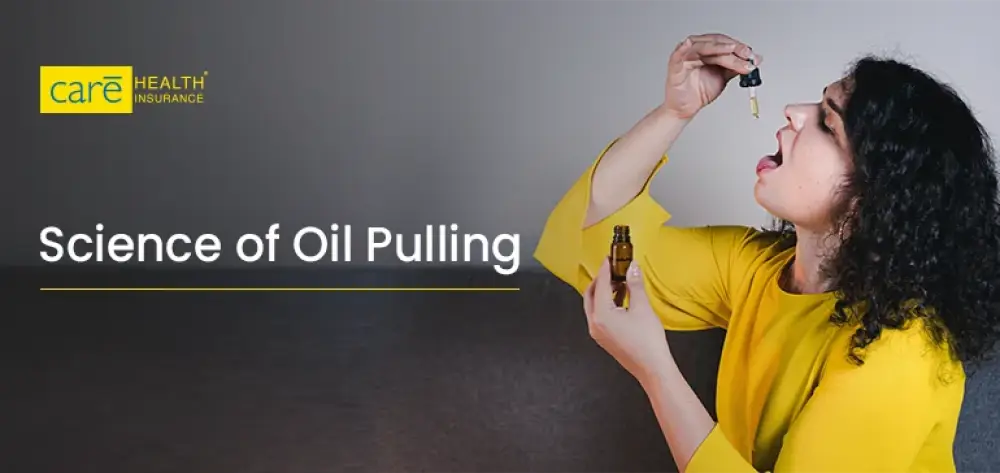
Oil pulling, an age-old Ayurvedic technique, has seen a resurgence in popularity across modern wellness communities. While traditional sources praise the practice for its comprehensive, holistic advantages, the Western dental profession tends to approach it with a more reserved, scientific scrutiny.
Ayurvedic Tradition: The Holistic Perspective
In Ayurveda, oil pulling is referred to as Kavala Graha or Gandusha, is a revered daily ritual (Dincharya) used for purification and general health maintenance.
Here are the core principles of oil pulling as regards Ayurveda:
- Detoxification (Ama Elimination): The mouth is considered a gateway to the body, and the oil is believed to ‘pull’ or absorb fat-soluble toxins (Ama) from the oral cavity, which are then expelled.
- Balancing Doshas: The practice is thought to balance the three vital energies (Doshas: Vata, Pitta, and Kapha), particularly beneficial for Vata imbalances, which manifest as dry mouth or cracking lips.
- Oral Hygiene: It is used to strengthen the jaw, voice, and senses; prevent gum disease; and improve taste perception.
- Oil Choice: Traditionally, sesame oil is preferred due to its warming properties, but coconut oil and sunflower oil are also commonly used, chosen based on the individual's Dosha constitution.
This is the systemic traditional approach of oil pulling that has been practiced for ages for improving oral health.
Evidence-Based Perspective of Oil-Pulling by Modern Dentistry
From a modern dental perspective, the science of oil pulling is examined primarily through its mechanical and antimicrobial effects. Dentists generally view it as a supplementary, rather than primary, method of oral hygiene.
Clinical findings of modern approaches of dentistry have evolved modern mechanisms of oil-pulling that have their own benefits and demerits, as discussed below:
- Mechanical Cleansing: The act of swishing oil for an extended period creates an emulsion. This action is mechanically similar to using an oral rinse and physically dislodges food debris, plaque, and bacteria, particularly in areas difficult to reach with a toothbrush.
- Saponification and Antimicrobial Action: Virgin coconut oil is a common choice for oil pulling due to its high lauric acid content. This fatty acid interacts with saliva to form a soap-like substance through a process called saponification, effectively cleansing the mouth. Furthermore, lauric acid is known for its antimicrobial action against typical oral pathogens. These include Streptococcus mutans, a primary contributor to tooth decay, and Candida albicans, the causative agent of oral thrush.
- Plaque and Gingivitis Reduction: Clinical trials have suggested that oil pulling, when performed correctly, can be as effective as some commercial mouthwashes in reducing plaque and managing gingivitis (gum inflammation) due to its mechanical and antiseptic actions.
- Lack of Fluoride: Unlike toothpaste, oil pulling does not provide fluoride, the essential element for remineralising tooth enamel and preventing cavities.
While the practice of oil pulling is recognised in medical science for its therapeutic benefits, its inherent limitations mean it cannot deliver comprehensive oral care.
However, to achieve the best results for complete oral health, the ideal procedure must be applied.
What is the Best Method for Oil Pulling?
Based on traditional Ayurvedic practice and common recommendations, here is the generally accepted best method:
- Timing: The ideal time is first thing in the morning, on an empty stomach, before brushing your teeth or drinking any water.
- Oil Selection: Use 1 tablespoon of high-quality oil. Virgin Coconut Oil is explicitly mentioned in the document for its antimicrobial properties, while Sesame Oil is traditionally used in Ayurveda.
The Oil-Pulling Process
Measure and Pour: Place 1 tablespoon of the chosen oil into your mouth.
Swish Gently: Begin swishing, sucking, and pulling the oil through your teeth. The motion should be gentle, not aggressive like mouthwash. The goal is to work the oil into all areas of your mouth, including between your teeth.
Continue the process for 15 to 20 minutes: This extended time is considered necessary for the oil to emulsify (mix with saliva) and effectively pull the plaque, dirt, and microbes. If 20 minutes is too long initially, start with 5 minutes and gradually increase the duration.
As a consistency check, by the end of the 20 minutes, the oil should become a thin, milky-white fluid due to emulsification with saliva.
Crucial Note: Do not gargle or swallow the oil, as it is believed to contain toxins and bacteria pulled from the mouth.
By following the technique explained above, you can achieve ultimate oral hygiene.
Which is the Best Oil for Oil Pulling?
Ayurveda suggests Virgin Coconut Oil as ideal for this purpose, citing its content of lauric acid.
Lauric acid has documented antimicrobial properties against oral pathogens. However, the choice of best oil often depends on individual preference and the desired effect, as per Ayurvedic texts.
To ensure peace of mind during a health crisis, comprehensive health coverage is essential, complementing your daily oral hygiene routine.
>> Read More: Best Fruits for Digestion and Gut Health
A Health Cover to Safeguard your Finances
Just as the technique of oil pulling draws out impurities from your teeth and gums, a reliable health insurance plan removes the financial burden during a health emergency. Having health insurance provides peace of mind, letting you focus on recovery instead of stressing over hospital bills and paperwork. A quality plan ensures access to the best medical care: top-notch network hospitals, advanced treatments, and specialist consultations, without worrying about the cost.
Disclaimer: Verifying the policy details and coverage with the official policy documents is essential. Also, kindly consult a medical professional to verify the details of the health concerns.