
Loading article content...
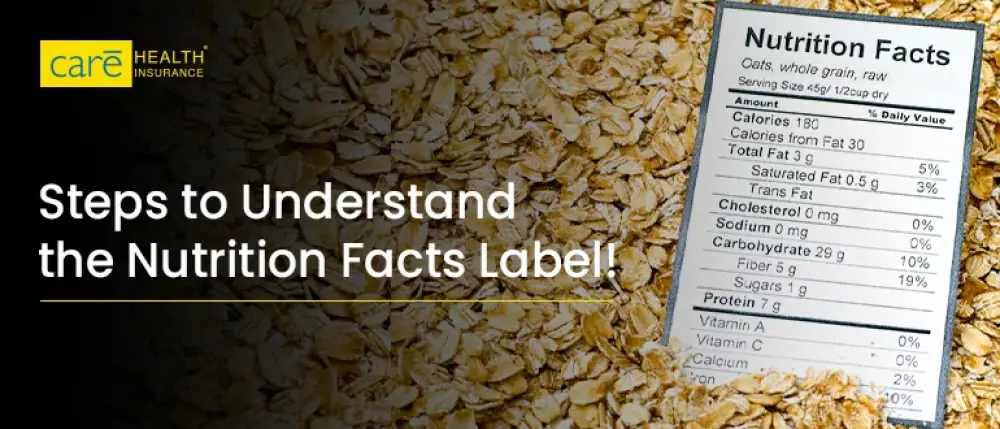
Have you ever picked a “healthy” snack at the grocery store only to discover it’s loaded with sugar and preservatives? As social media trends such as “Clean Eating,” “What I Eat in a Day,” and Label Reading Challenges grow in popularity, more people are curious about the actual ingredients in their food.
But the truth is, brands can make any product appear healthy on the front of the packaging. The actual story is always hidden on the nutrition label on the back.
If you're looking to lose some weight, keep an eye on your sugar intake, protect your heart, or simply make healthier food choices, getting the hang of reading nutritional labels can be a real game-changer. This simple guide will help you read nutritional information labels correctly, so you won’t get misled by tricky marketing tactics. Let's understand this better so that you’ll never get fooled in the grocery aisle again.
Why Do Nutrition Labels Matter?
Food labels act as a truth meter for packaged foods, uncovering what the companies might be trying to hide. Here’s why they matter:
- Helps you spot hidden sugar, salt, and bad fats: Many products appear healthy on the outside but contain unhealthy ingredients inside.
- Supports weight-loss, and fitness goals: Understanding calories and nutrients helps you select foods that align with your lifestyle.
- Protects your health: Ideal for individuals managing diabetes, heart conditions, high blood pressure, or food allergies.
- Saves money and prevents marketing traps: You avoid buying products that look healthy but aren't
How to Read Nutrition Labels: Step-by-Step Guide
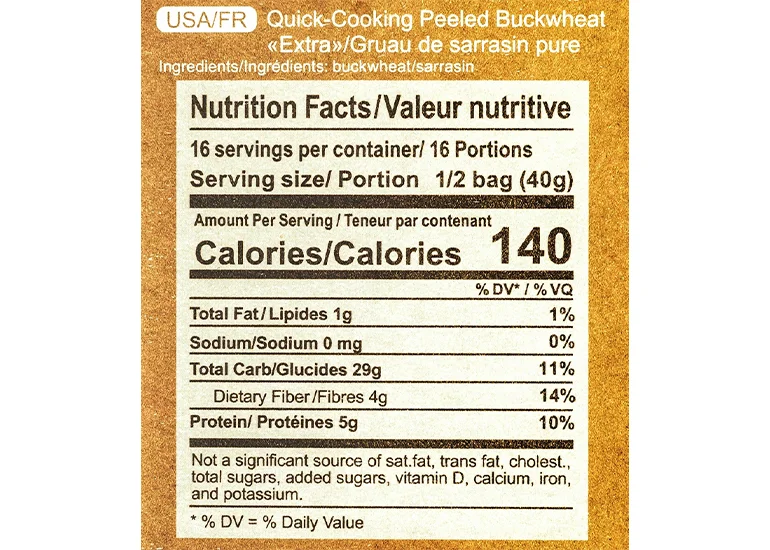
Reading a nutrition label is relatively straightforward. Just follow these easy steps, and you’ll feel confident whenever you're shopping for groceries. Here are the key points to pay attention to when reading the nutritional information label.
Step 1: Check the Serving Size
This is a common point of confusion. All the figures on the label are for 1 serving, even if the package contains 2-3 servings.
For Example:
- One serving = 120 calories
- Whole packet = 3 servings
- If you eat the whole pack, you are consuming 360 calories.
Make sure to double-check how many servings you’re genuinely enjoying.
Step 2: Look at the Calories
Calories are like fuel for your body. If you consume too many, it can lead to weight gain. Taking care of what you eat helps keep you feeling your best.
- Smart snacks: 100 to 200 calories per serving
- High-calorie junk: 300+ calories
Pro Tip: Check the calories for items in the same category before making a purchase.
Step 3: Catch the Hidden Sugars
Even some “healthy” foods can surprise you with hidden sugar. Taking a quick look at the sugar content can significantly support your health and help you stay on track with your weight goals. Remember, brands often mask sugar with fancy names. Some common ones include:
- Corn syrup
- Dextrose
- Maltose
- Fruit juice concentrate
- Liquid glucose
Good snacks should contain 0-5g of sugar per serving, while high-sugar snacks contain 10g or more per serving.
Fun Fact: Did you know that some breakfast cereals actually have more sugar than ice cream? It's a surprising fact that might make you think twice about what you're eating in the morning.
Step 4: Check the Sodium (Salt)
Eating too much salt can raise your blood pressure, so it's a good idea to keep an eye on how much sodium is sneaking into your food. By watching your sodium intake, you're taking a significant step to protect your heart.
- Ideal snack options should contain less than 150mg.
- Be cautious if the snack contains more than 300mg of sodium, as it may negatively affect your health.
Step 5: Check the Fat Type
Not all fats are bad; some can actually be beneficial for your heart and overall well-being. Incorporate foods with healthy fats like nuts, fish, and olive oil into your meals. Remember to limit saturated fats and avoid trans fats, as they can raise your risk of heart disease.
Quick Tip: If you see "hydrogenated oil” on the label, it might mean trans fat is hiding inside. So be aware while purchasing the packaged food.
Step 6: Ingredient List
The ingredient list offers a clear view of what you’re consuming. Since ingredients are arranged from most to least significant, the first few items are the most important. If sugar, refined flour, or oil show up at the top, that product might not be the healthiest choice. Also, watch out for long chemical names, artificial colours, and preservatives. A shorter list usually indicates a better option for your health.
Food Product Labels You Need To Check For Specific Health Conditions!
Different health conditions require unique nutritional care. Here’s a simple guide to help you find the perfect products for your individual health needs.
| Health Condition | What to Watch in Labels |
|---|---|
| Diabetes | Carbs & Sugar |
| Heart Issues | Sodium &a Trans Fats |
| Gut Health | Fiber |
| Weight Loss | Calories & Fiber |
| Allergies | Ingredients List |
Things To Remember: Make sure to check the Date of Manufacture and the Expiry or Best Before date so you can enjoy your food at its freshest. Remember to consume your food before the Best Before date or the Expiry Date to ensure it's safe and delicious.
Look For These LOGO While Purchasing Food!
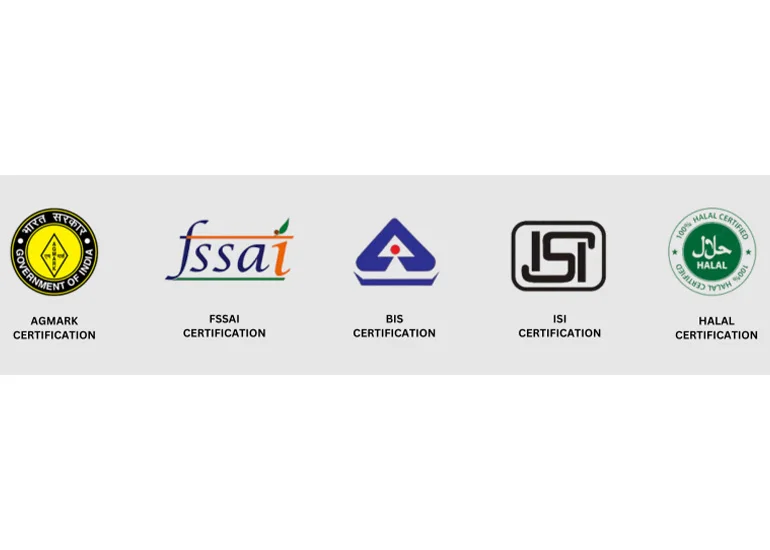
- The FSSAI logo is displayed alongside the license number.
- ISI mark for packaged drinking water and processed foods such as infant foods, milk, and skimmed milk powder.
- AGMARK for all agricultural products such as vegetable oil, pulses, cereals, spices, honey, fruits, and vegetables.
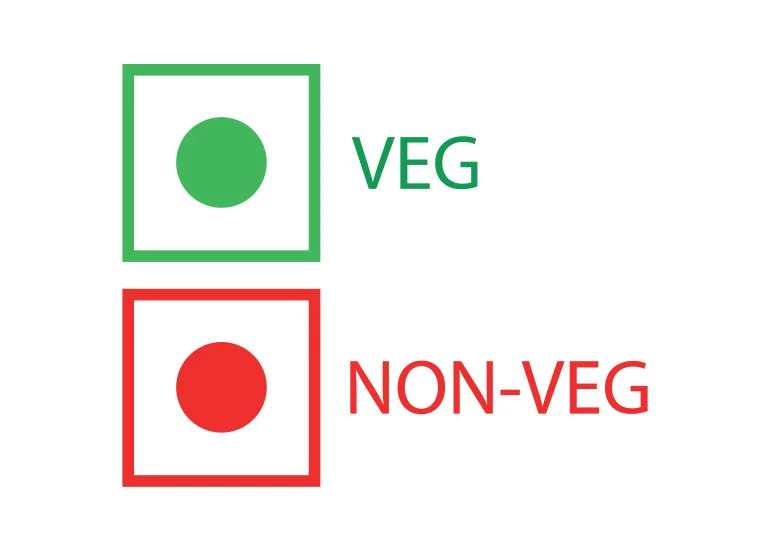
- Green dot indicating vegetarian food.
- Red dot indicates non-vegetarian food, including eggs.
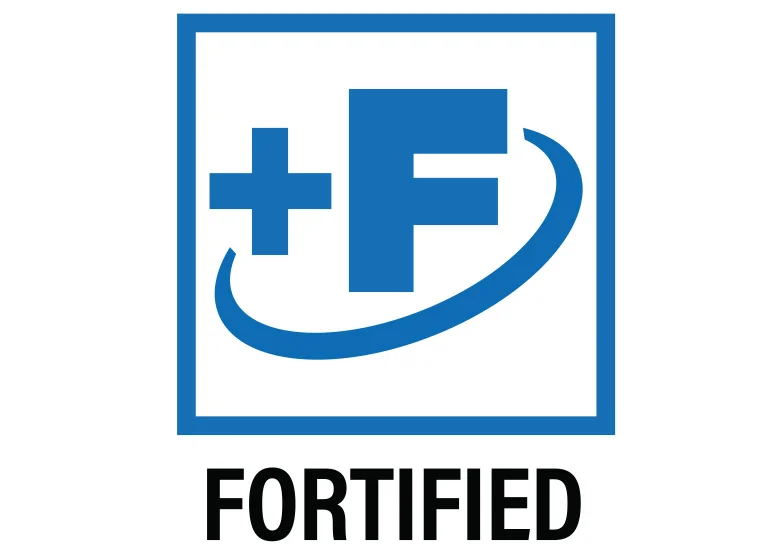
- Logo representing fortified food products
Best Apps to Scan Food Labels!
Your smartphone can now serve as your personal nutrition assistant, making it simple to avoid harmful ingredients and choose healthier foods for your family. Here are some useful apps you might consider to scan the food labels:
- HealthifyMe
- FoodSwitch India
- MyFitnessPal
- FactsScan
- FoodSwitch
- Nutritionix
Did You Know: Fortified foods contain essential nutrients, such as vitamins and minerals. Consuming fortified wheat flour, rice, milk, oil, and salt helps fulfil your daily nutrient needs, supporting growth, infection resistance, and overall strength. For more details, visit the FSSAI website
>> Read More: Top 10 Nutrition Myths Debunked
Healthy Living Begins with Awareness!
Understanding nutrition labels is a small habit that can lead to significant health benefits. Knowing what’s in your food helps you take control of your well-being, avoiding deceptive marketing and hidden sugars, and making smarter choices for a healthier life. Next time you pick a product, take a moment to flip it over and read the food product label. While good nutrition keeps you healthy on the inside, having proper health insurance protects you from unforeseen medical emergencies, rising hospital costs, and unexpected health issues. So it's essential to have family health insurance because it’s the only way to care for your family properly. Keep in mind that taking good care of your health means eating thoughtfully and being ready for the unexpected moments in life.
Disclaimer: The above information is for reference purposes only. Kindly consult your general physician for verified medical advice. The health insurance benefits are subject to policy terms and conditions. Refer to your policy documents for more information.