Loading article content...
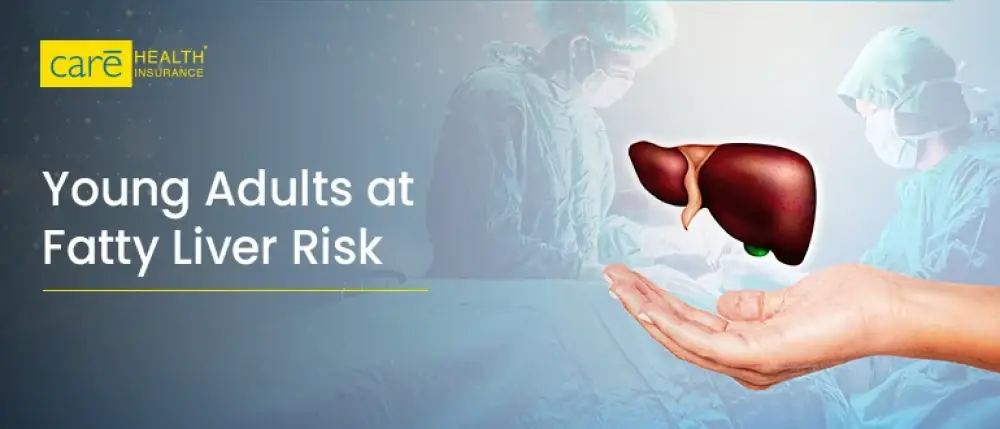
Fast food binges, late-night Netflix, and energy drinks as a quick fix to make it through long nights- sound familiar? You might feel your liver is strong in your 20s and 30s, yet Non-Alcoholic Fatty Liver Disease (NAFLD) is quietly rising among seemingly healthy young adults. Believe it or not, this disease has already affected a large chunk of India’s population, around 38% of adults and 35% of children.
However, the severity of the disease often goes unnoticed in its early stages. Still, fat continues to accumulate in the liver, increasing the risk of inflammation, scarring, and future health complications. The scary part? For many young adults, the first hint of trouble appears only after the severe liver damage has silently set in.
The good news? A few clever swaps — choosing veggies over fries, a bit of exercise, and being mindful of your body — help keep your liver in top shape and ward off potential liver troubles. Awareness is half the battle. Take action today to strengthen and improve your liver's health.
What is Non-Alcoholic Fatty Liver Disease (NAFLD) and its Types?
Alcohol is commonly associated with liver disease, but what happens when NAFLD strikes even if you don’t drink? Yes, NAFLD, or when fat meets your liver, is a common medical condition in which fat quietly accumulates in your liver without alcohol being the culprit.
Lately, experts are preferring to rename it as Metabolic Dysregulated-Associated Steatotic Liver Disease (MASLD) as the term reflects the strong ties between fatty liver and metabolic issues like Type-2 and obesity.
Types of Fatty Liver Disease
Non-alcoholic fatty liver disease isn’t a single disease; you can take it as a range of liver conditions. This spans from harmless fat accumulation to more serious liver damage.
- Simple Fatty Liver (NAFL): Extra fat settles in the liver, but the condition usually remains mild and manageable.
- Non-Alcoholic Steatopatitis (NASH): When fat teams up with severe inflammation, it gradually causes fibrosis, cirrhosis, liver failure, or even cancer. This severe type of NAFLD demands immediate attention.
Understanding the types of fatty liver is just the beginning; next, it’s time to learn if it's creeping up on you. The symptoms of Non-alcoholic fatty liver disease are explained in the next section. Keep reading!
How to Spot NAFLD Early: Hidden Symptoms
Silent, sneaky, and often invisible, many young adults feel fine, yet the liver gradually stores excess fat with no apparent signs. That’s why we focus on its hidden symptoms, as they are easy to miss but crucial to identify early.
- Fatigue: One must understand that a fatty liver doesn’t just store fat; it can also cause persistent tiredness.
- Upper Right Abdominal Discomfort: When fat piles up in the liver, it expands, making you feel heaviness or discomfort on your right side. This ache becomes more persistent when liver inflammation is present.
- Weight Loss: Unintended weight loss and reduced appetite are often associated with advanced NAFLD. These can directly indicate that liver function is declining.
- Yellowing of the Skin or Eyes: Severe NAFLD may lead to jaundice, making the skin and eyes appear yellow as the liver can't process bilirubin, often indicating advanced liver damage.
- Spiderlike Blood Vessels on the Skin: Spider angiomas may appear as small, red, web-like blood vessels. This is particularly visible in cirrhosis or NASH, caused by hormone changes due to impaired liver function.
- Long-Lasting Itching: Persistent itching, especially at night, could be your liver struggling to process bile salts —the same salts that help digest fat. However, too much in the blood can trigger an annoying and constant itch.
Now that you know the symptoms of Non-Alcoholic Fatty Liver Disease, it’s time to meet the real troublemakers.
Causes of Non-Alcoholic Fatty Liver Disease (NAFLD)
So far, you know that NAFLD happens when fat piles up in the liver quicker than it can be processed. Excess fat can result from a combination of metabolic, genetic, or sedentary lifestyle factors. Let’s have a closer look.
- Gene Variation: Genetics play a role in NAFLD, influencing insulin resistance, liver metabolism, and inflammation. Certain genetic traits increase the possibility of fatty liver, and combined with lifestyle and environmental factors, determine the pace and intensity of disease progression.
- Elevated Liver Enzymes: When liver enzymes rise, it implies high levels of fat and sugar in your diet are putting extra stress on your liver. Left unchecked, it can cause lasting damage to your liver.
- Nutrient Imbalance: Excess calories, fatty, and processed foods miss essential nutrients, which stress the liver, trigger fat storage, and mess with insulin function.
- Vitamin D Deficiency: Low vitamin D levels have been linked to NAFLD development by increasing insulin resistance, exacerbating inflammation, and disrupting the gut microbiome. Low levels are closely tied to obesity or metabolic problems, which weaken the liver’s defences, increasing fat accumulation and damage.
- Sleep Disorder: Poor sleep or sleep disorders can silently worsen NAFLD as intermittent oxygen drops, hormone changes, and disrupt lipid metabolism. Circadian rhythm imbalance further pushes liver fat, particularly if obesity or additional metabolic crises are also present.
- Hormonal Imbalance: When hormones go out of balance—from low estrogen to excess androgens—along with thyroid or insulin problems, can drive fat into the liver. Pregnancy-related hormonal changes may exacerbate liver stress in individuals already at risk, and in rare cases, contribute to fatty liver complications.
As NAFLD can complicate pregnancy, ranging from gestational blood sugar troubles to overloading the liver with fat, a maternity health insurance plan helps you stay ahead with timely check-ups and expert care. Secure your baby’s future with newborn coverage, 25% diagnostic discounts, and congenital anomaly protection —making it an all-around investment for your little one.
>>Read More: How to Avoid Preeclampsia: A Quick Pregnancy Health Guide
When Fatty Liver Becomes a Serious: NASH Disease
NAFLD becomes NASH when excess liver fat causes inflammation and cell injury, turning a mild liver condition into a serious one.
- Fat Accumulation Plus Inflammation: In non-alcoholic steatahepatitis, fat-induced inflammation damages liver cells, promotes fibrosis, and potentially progresses to cirrhosis. Chronic inflammation over the years increases the risk of malignant transformations, i.e. cancer.
- Liver Cell Damage: In NASH, fat overload triggers cell death, releasing inflammatory signals. Although the liver attempts to heal scar tissue, persistent injury can lead to irreversible cirrhosis and increase the chances of liver cancer.
- Oxidative Stress: Fat accumulation often overwhelms mitochondria, leading to the production of harmful reactive oxygen species (ROS) that cause cell damage, inflammation, and fibrosis. This forms a vicious cycle, taking NAFLD down the path towards NASH.
- Fibrosis Initiation: Liver cell damage from fat overload prominently activates stellate cells, the main contributors to fibrosis.
- Lifestyle and Diet Impact: From sugary drinks to late-night snacking, lifestyle and diet escalate mild steatosis into NASH with lasting consequences.
Do you still think fatty liver is harmless? NASH, the inflammatory sibling of NAFLD, can escalate to liver cancer, making cancer insurance from a choice into a must-have. With cancer insurance, you get comprehensive protection at all stages, including inpatient hospitalisation, pre- and post-hospitalisation, chemotherapy and radiotherapy cover, day care treatments, quick recovery counselling, and annual health checkups. Because today’s coverage is tomorrow’s lifesaver, take control before it’s too late.
Diagnosis and Treatment Options for NAFLD and NASH
We’ve already seen how fatty liver can turn into a serious medical condition, NASH. While NAFLD can often be detected through routine tests, diagnosing NASH demands a detailed assessment, such as a liver biopsy to confirm the extent of inflammation and damage.
| Feature | NAFLD | NASH |
|---|---|---|
| Blood Tests | Liver enzymes are mildly elevated | Liver enzymes are markedly elevated, suggesting active inflammation and increasing liver stress. |
| Imaging | Imaging tests like CT or ultrasound can detect fat accumulation | MRI often detects fat and fibrosis, though inflammation remains undetected. |
| Definitive Diagnosis | Suspected via labs and imaging | Biopsy is usually conducted to confirm inflammation and possible fibrosis. |
| Non-Invasive Fibrosis Tests | Optional | Recommended: ELF test, FibroScan, FibroTest |
| Weight Loss Goal | Losing 3-5% of body weight helps to reduce liver fat | 7-10% body weight to reduce fat buildup, severe inflammation, and scarring. |
| Lifestyle Changes | Healthy diet, portion control and daily activity | Steady weight loss with a Mediterranean-style diet and regular exercise. |
| Medications | Generally not required | Certain medications, such as Pioglitazone, Vitamin E, and GLP-1 agonists, are used under medical supervision. |
| Key Takeaways | Mild disease, which requires fat-focused management. | Requires aggressive treatment and careful management of fat accumulation, inflammation, and related metabolic conditions. |
Diagnosis checked, treatment in Progress, right? It’s time to plate up a day full of liver-loving meals.
Sample Meals for NAFLD & NASH
Treating NAFLD or NASH takes effort. Your liver needs nourishing food to power your recovery and keep your spirit high.
Breakfast
Start the day with foods that give your liver a morning power-up.
- Option 1: Oatmeal with a sprinkle of nuts
- Option 2: Unsweetened Greek Yoghurt with fruits
- Option 3: Scrambled eggs with sauteed vegetables
Mid-Morning Snack
You need a little bite to give your liver a lift.
- Option 1: A handful of almonds or walnuts
- Option 2: Sliced cucumber
Lunch
It’s time for the midday meal, which helps your liver to stay strong and active.
- Option 1: Salad with grilled chicken
- Option 2: Quinoa bowl topped with grilled Vegetables
- Option 3: Lentil Soup
Afternoon Snack
You need post-lunch care with balanced and easy-to-digest choices.
- Option 1: Slices of apples
- Option 2: Herbal tea
Optional Evening Snack
Although you need to stay hydrated all day, you need one such beverage as an optional evening snack with added benefits.
- Option 1: Unsweetened warm Turmeric milk
Dinner
Finish the day with a nourishing dinner to support overnight liver repair and recovery.
- Option 1: Whole-wheat pasta with sauteed vegetables
- Option 2: A medium-sized bowl of khichdi with a small portion of vegetables.
Your liver-friendly plan started strong; it’s time to identify food that could undo your efforts.
Foods to Say No to for NAFLD & NASH
Not all foods are liver-loving; some foods silently sabotage your liver and push NAFLD or NASH toward severe damage. Identifying which foods to avoid marks the start of protecting your liver and helping it work at its optimal.
- Sugary Foods & Drinks: Cut out sodas, artificially sweetened beverages, as your liver can turn the extra sugar into fat.
- Processed & Refined Carbs: Skip refined carbs like white bread, white rice, and specific packaged snacks that can spike blood sugar.
- Saturated & Trans Fats: Avoid meats, dairy, and fried foods, as they can actively increase liver fat.
- Alcohol: Alcohol tends to exert stress on your liver, which further damages liver cells.
- High-Sodium Foods: Cut back on processed and packaged foods to prevent added stress on your liver.
Every meal is an opportunity to protect your liver and your health. Time’s ticking —start taking charge of your liver, because every bite counts.
>>Read More:8 Power Drinks to Help Detox Your Liver Fast
Family First, Liver Protection Included
When conditions like NAFLD or NASH progress, treatment may involve frequent tests, consultations, imaging, and long-term follow-ups. Fatty liver may seem harmless, but over time, its severe effects can put an extra burden on your family, forcing tough choices between finances and quality treatment. With family health insurance, you can get top-notch treatment without any monetary stress. Sign up today with a trustworthy family health insurance plan because protecting your liver and your loved ones can't wait.
Disclaimers: The above information is for reference purposes only. Kindly consult your general physician for verified medical advice. The health insurance benefits are subject to policy terms and conditions. Refer to your policy documents for more information.
