
Loading article content...
There’s a secret ingredient that keeps your skin radiant, your mood lifted, and your thyroid in balance, yet it’s silently missing from your plate. No, it’s not quinoa or kale- it’s iodine. Small in size, powerful in effect, this tiny trace mineral doesn’t stand out from protein or calcium, but this quiet performer keeps every system in sync, every single day.
Iodine powers your thyroid, which regulates energy, growth, and hormones. Without it, you may feel drained, have weak hair, dull skin, and poor focus. Many don’t realise they lack iodine due to diets replacing it with processed foods.
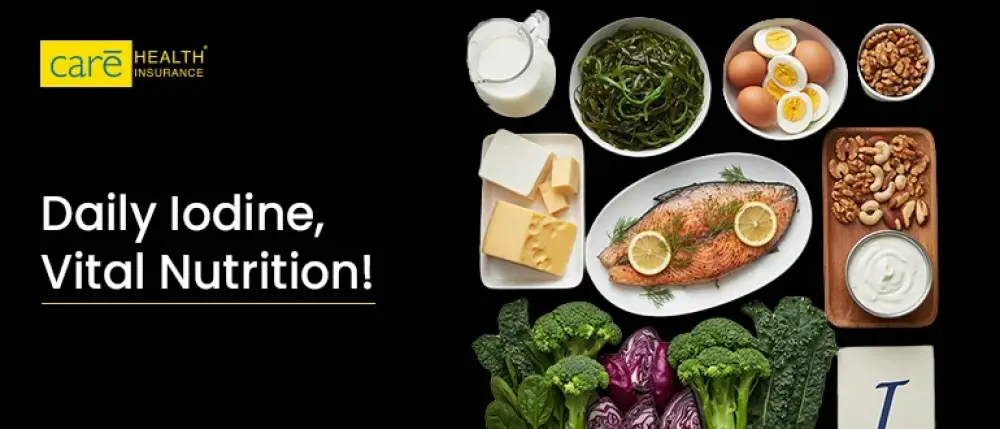
The best part? You don’t need supplements to fix this deficiency. Nature’s already stocked your kitchen with iodine-heavy foods like seafood, dairy, and eggs, turning your daily meals into daily doses of vitality.
Join us as we dive into the world of iodine-rich delights, their thyroid-boosting benefits, and simple ways to fit them into your everyday routine. Also, showing how this small nutrient can bring a world of difference to your well-being.
What is Iodine? A Quick Catch-Up
Iodine, a vital nutrient, enables your body to make hormones that guide your growth and development and help maintain balanced energy levels. It plays an essential role in supporting proper brain growth and cognitive development in infants and children.
Because the body can’t produce iodine on its own, it must be obtained from dietary sources of iodine, such as seafood, dairy products, and iodised salt. “Insufficient iodine can contribute to thyroid enlargement (goitre) and may lead to hypothyroidism.
You might know iodine for one thing, yet its impact touches many more aspects of your overall wellness. So, keep reading!
7 Hidden Roles of Iodine You Might Not Know
Iodine quietly powers your body’s brilliance, unseen yet essential. This reminds us that true strength is often felt more than seen. Let’s dive deeper into how iodine keeps your internal system performing at its natural best.
- Supports Brain Development: Iodine-rich foods play an essential role in brain development by supporting the creation of thyroid hormones, which are responsible for neuron growth, cognitive function, and sharp memory. Idione deficiency during pregnancy can result in lasting damage to brain development and impair cognitive development, particularly in fetuses and infants.
- Maintains Healthy Weight: Sources of iodine play a critical role in healthy weight management as they enable the production of thyroid hormones that manage how efficiently the body uses energy and help regulate how the body utilises energy.. Insufficient iodine can slow metabolism, cause the body to accumulate more fat, and lead to weight gain, while proper intake maintains balance and steady energy levels.
- Promotes Glowing Skin, Hair, and Nails: Beauty begins at the cellular level, and iodine supports thyroid balance to maintain radiant skin, lustrous hair, and strong nails. By choosing the right sources of iodine, your body supports cell renewal, enhances elasticity, and restores radiance from within.
- Strengthens the Immune System: Iodine-rich foods act as natural immune boosters, stimulating white blood cells, regulating the body’s inflammatory response, and enhancing protection against disease-causing pathogens. Low iodine levels, on the other hand, can weaken immune responses, making the body much more vulnerable to illness and inflammation.
- Balances Hormones: The secret to steady hormones lies in nutritional iodine sources that enable the thyroid to produce hormones that regulate body growth and overall development. With adequate nutritional iodine sources in your diet, your body can maintain healthy hormone levels, but too little or too much can easily disturb this delicate balance.
- Promotes Detoxification: Iodine-rich foods also act as a natural body cleanser, helping flush out harmful halogens and heavy metals while protecting cells from free-radical damage. By boosting antioxidant and antimicrobial defences, these foods support detoxification, immunity, and promote overall inner balance.
- Supports Fetal and Maternal Health: Iodine is an essential nutrient during pregnancy.. This tiny mineral bridges the gap between mother and child through reliable sources of iodine, such as dairy, eggs, seafood, and iodised salt. The right choices of iodine-rich foods support the thyroid hormones that keep the mother’s thyroid and overall health in sync.
Do you know that maternity health insurance goes beyond hospital coverage? It not only ensures access to quality prenatal care but also promotes the overall well-being of both mother and child with newborn baby cover, lifelong renewal, 25% discount on diagnostics, and congenital anomaly cover. Broadly speaking, investing in maternity health insurance supports a seamless yet healthy journey to motherhood.
Why does Iodine Deficiency happen?
Iodine deficiency often stems from a poor diet and low environmental iodine levels. However, there are a few other reasons that can deplete the body’s reserves and quietly disrupt thyroid health.
- Iodine-poor Soil: When soil lacks natural sources of iodine, it disrupts the entire food cycle, lowering the iodine content in plants and animal products. This, in turn, restricts human access to this essential mineral.
- Dietary Restrictions: People following a vegan, vegetarian, or medically restrictive diet often miss out on iodine-rich foods, which are needed for metabolism and healthy thyroid function. Reintroducing foods like seaweed, eggs or supplements can bring a significant difference.
- Goitrogens: Foods like cabbage and broccoli may trigger and worsen iodine deficiency. It interferes with thyroid hormone production and leads to goitre and specific developmental issues. Therefore, it is crucial to balance goitrogens with iodine-rich foods to help counter their harmful effects.
- Pregnancy and Breastfeeding: Expectant and nursing mothers need more iodine to maintain hormonal balance and support the infant's neurological development. Ensuring an iodine-rich diet safeguards both maternal and infant health.
- Radiation Exposure: A deficiency in nutritional iodine sources leaves the thyroid defenceless, as history has painfully shown at Chernobyl. The iodine-deficient thyroid soaked up harmful radioactive iodine, leading to a surge in thyroid-related illnesses and cancers among exposed populations.
Now that you know what causes iodine deficiency, let’s identify the right foods that can fill these nutritional gaps and help your thyroid function at its best.
7 Iodine-Rich Foods Your Body Needs Every Day
As you know, your thyroid thrives in iodine-rich food. A mix of iodine-rich Indian food and iodine-rich fruits and vegetables keeps tiredness, imbalance, and sluggish metabolism at bay.
- Iodised Salt: Considered to be the most effective iodine-rich food, iodised salt works wonders for thyroid health. Even a tiny pinch (the recommended daily requirement is 150 mcg) in your meals keeps your iodine levels right on track.
- Fish: Cod and pollock are excellent iodine-rich foods perfect for thyroid health. Incorporating fish into your meal (2-3 servings per week) provides a natural dose of essential iodine.
- Prawns and Shrimp: Sea delights (2-3 servings per week) provide a sufficient amount of iodine for thyroid and brain health. Also, they offer protein, selenium, omega-3 fatty acids, and vitamin B12 for overall wellness.
- Dairy Products: Dairy products (1 cup of milk/yoghurt, or 30g of cheese) are wholesome sources of iodine, which deliver a natural thyroid boost.
- Eggs: Eggs (1-2 eggs daily) are a natural iodine-rich food for the thyroid that offers nearly one-fifth of your daily iodine needs in every sunny yolk. Depending on what hens eat and their surroundings, each egg makes a tiny powerhouse for thyroid health.
- Potatoes: Humble yet healthy (1 medium potato), they quietly contribute to your daily iodine needs, particularly when you leave the skin on. Retaining the skin and seasoning with iodised salt naturally boosts iodine levels, while biofortified potatoes offer an extra edge for thyroid health.
- Seaweed: Adding dried seaweed (1-2 grams a few times a week) to iodine-rich Indian food provides the ocean’s purest form of iodine. At the same time, balanced consumption goes a long way toward supporting thyroid wellness.
You’ve seen the best foods; it’s time to identify who might actually need a little extra help with iodine supplements.
Role of Iodine Supplement and Who Might Need It?
While the best source of iodine is through diet, iodine supplements may be recommended when diet alone is insufficient. They are a concentrated, easily absorbed source of thyroid support, ensuring thyroid care during times when their meals don’t provide enough of the vital minerals.
The following are a few groups that need an extra boost to maintain balance in the body.
- Pregnant and breastfeeding women: They often need extra iodine, so they usually require extra supplements when food sources don’t provide enough iodine.
- Vegan and people with restricted diets: Because their diets lack natural sources of iodine, a 150 mcg supplement helps maintain day-to-day balance.
- Infants and children: A mild dose, often from fortified feeds or paediatric supplements, is adjusted explicitly for infants under paediatric supervision.
- People in iodine-deficient regions: They may need supervised supplementation programs to address iodine deficiency across communities.
Pro Tip: Before picking an iodine supplement, check the label carefully and choose one that provides 150 mcg per dose (unless prescribed otherwise). Also, avoid excessive amounts to keep your thyroid balance.
Strategies to Maintain Healthy Iodine Levels
Your body’s iodine balance depends on more than just sprinkling salt. It’s all about a pinch of awareness and a dash of small habits that spark lasting iodine balance.
- Dietary Strategies: Pair iodine-rich foods wisely to improve nutrient absorption, support thyroid balance, and perform optimally. Including selenium-packed foods like Brazil nuts or seeds can naturally enhance your body’s ability to absorb iodine.
- Proper Food Preparation and Storage: Keep your iodine intact by storing salt properly — airtight, away from light and heat — and handling it carefully during cooking. Sprinkle salt last, use minimal water, and cook gently to help minimise iodine loss.
- Consult a Healthcare Professional: Consulting a healthcare professional is essential before turning to new sources of iodine. Too little or too much iodine can cause overlapping symptoms. Proper testing ensures safe supplement use, prevents complications, and maintains balanced thyroid function at every stage of life.
Now that you know the strategies, it’s time to master the art of balance and make every iodine choice count before exploring the lesser-known side of iodine-rich foods.
The Flip Side of Iodine-Heavy Foods
More iodine doesn’t imply more health. Sometimes, an overload can work against your body.
- Thyroid Dysfunction: Excess iodine can disrupt thyroid balance. It can lead to hypothyroidism (underactive thyroid) and hyperthyroidism (overactive thyroid).
- Goitre Formation: Both iodine shortage and overload can cause swelling of the thyroid gland, resulting in a goitre.
- Autoimmune Thyroid Disease: Excess iodine can spark autoimmune thyroid disorder, particularly for those with a genetic predisposition.
- Thyroid Cancer Risks: High levels of iodine may also increase the likelihood of certain thyroid cancers like papillary carcinoma.
- Renal Dysfunction: People with weakened kidney function may struggle to process excess iodine, which can further strain the kidneys.
Like most nutrients, the art of wellness lies in balance, where iodine nourishes rather than overwhelms.
>> Read More: 8 Power Drinks to Help Detox Your Liver Fast
Iodine First, Insurance Next!
Too little or too much iodine can affect your thyroid and kidney health, especially if underlying conditions are present. The key is balance, awareness, and proactive care. Wise choices start at the table. Combine the power of iodine-rich foods with reliable family health insurance for comprehensive medical coverage, because real wellness is more than what you eat. Nutrition supports prevention, and insurance supports treatment, creating a complete approach to staying healthy and protected. From nutrition to protection, iodine and family health insurance work hand in hand to build a worry-free future deeply rooted in well-being.
Disclaimer: The above information is for reference only. Kindly consult your physician for a detailed diagnosis. Also, verify the policy benefits with the official prospectus.
