
Loading article content...
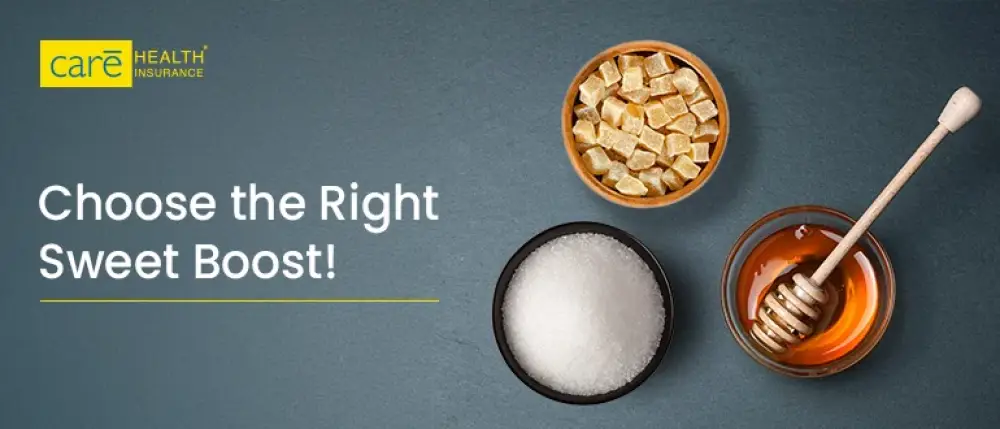
It’s almost the end of 2025, yet the sweet debate between honey, jaggery, and sugar remains a sticky dilemma for many of you. Isn’t it? But don’t worry- you’re not alone.
Amid all the conflicting tips and claims, deciding what’s genuinely healthy can actually feel like a puzzle. On the one hand, modern science focuses on nutritional content and several indices, such as the glycemic index, calories, and antioxidants, providing us with data-driven insights. On the other hand, our grandmother’s time-tested knowledge offers insights that modern studies are only just starting to explore.
This blog aims to bring together age-old advice by Grandma with scientific insights to settle the long-standing sweet debate before the end of 2025. Together, we will take a closer look at Grandma’s wisdom and modern nutritional science, exploring myths and misconceptions, sharing actionable tips and healthier sweet choices, and uncovering many interesting facts. The main objective of this blog is to bridge the gap between time-honoured remedies and modern science.
Grandma’s Everlasting Sweet Guidance
To Grandma, sweetness always went beyond flavour-it was for strength and health. For instance, honey was her healing syrup, jaggery was her source of strength booster, and sugar was equivalent to empty indulgence.
Let’s explore age-old sweet tips for enjoying sweets wisely.
- Natural Always Wins: Grandma’s kitchen was no less than a masterclass, soaking almonds for better digestibility, sipping methi dana water to support metabolism, incorporating whole grains and preferring natural sweeteners such as honey, straight from bees, and jaggery with mineral richness.
- Honey for Healing, Not Just Sweetness: Grandmas trusted honey for wholesome remedies for health and wellness. You must have noticed their traditional remedies, which combined raw honey with ginger or lemon, focused on anti-inflammatory, antibacterial, and antioxidant properties well ahead of scientific understanding, demonstrating the natural advantages of these ingredients.
- Jaggery as Everyday Energy: Jaggery, a traditional favourite, was highly regarded by her for its natural, unrefined sweetness and its mineral content, including potassium and iron. It was believed to improve digestion, offer sustained energy, and support healthy lungs.
- Sugar as the Culprit: Grandmother’s choices in sweeteners were primarily influenced by health awareness. Preferring wholesome sweeteners like jaggery and honey over refined sugar, which justified their love for natural ingredients to promote digestion, vitality, and holistic health.
- Weight Control Insights: It is essential to understand that Grandma’s approach to weight loss is centred on mindful eating, regular physical activity, and balanced nutrition. She believed that when it comes to honey, jaggery, and sugar, natural sweeteners couldn’t bring benefits on their own, and an active lifestyle was essential for supporting health and vitality.
- Diabetes Awareness: Grandma considered real health to be a combination of wholesome foods and physical activity. Everyday chores and long walks were just as crucial as mindful eating. Her perspective on honey or jaggery for diabetes was simple- enjoy them in small amounts and stay physically active to promote balanced sugar levels and lasting health.
So, here Grandma picks the winner: honey for immunity, jaggery for energy, and sugar for the occasional indulgence. However, “balance is key” for overall wellness.
Note: Grandma always believed in purity —honey straight from the hive, jaggery made fresh from sugarcane, and sugar in its most natural form. She disapproved of store-bought adulterated versions, gently reminding us that preservatives and additives take away both the natural flavours and the health benefits of these sweeteners.
Honey vs Jaggery vs Sugar: What Science Says
We began with Grandma’s insights on authenticity and balance, then delved into science to expand our understanding by analysing their nutrient profiles, their impact on glucose levels, and their overall wellness. Together, both perspectives offer a balanced view of honey, jaggery, and sugar.
| Parameter | Meaning | Honey | Jaggery | Sugar |
|---|---|---|---|---|
| Glycemic Index (GI) | A system that measures how quickly and significantly foods influence blood sugar. | 50–60 (Moderate to low); varies by type. Acacia honey ~32, Tupelo honey 70–75. | Very high GI (84–94), causing rapid blood sugar spikes. | 65 (Moderate); pure carbohydrates lack nutritional value. |
| Fructose vs Glucose Content | Balance of fructose and glucose determining sweetness and blood glucose response. | Higher fructose than glucose; sweeter taste; slower absorption. | Mainly sucrose, which breaks into fructose and glucose. | Equal parts glucose and fructose. |
| Calorie Value (Per Tbsp) | A measure of the energy released when the body breaks down a food. | Approx. 304 Kcal per 100g. | Approx. 383 Kcal per 100g. | Approx. 387 Kcal per 100g. |
| Nutrient Profile | Composition of vitamins, minerals, and essential compounds. | Contains small amounts of vitamins, minerals, antioxidants; antibacterial and anti-inflammatory. | Rich in minerals (iron, magnesium, potassium); supports digestion but raises blood sugar quickly. | Heavily refined; minimal nutrients; increases blood sugar without added benefits. |
| Sweetness Intensity | Indicates how intensely sweet a food is compared to a standard reference. | 1–1.5× sweeter than sugar. | As sweet as sugar, or slightly less. | Baseline sweetness reference. |
| Impact on Insulin Response/ Blood Sugar | How a food affects glucose levels and triggers insulin release. | Causes gentle, moderate rise in glucose levels. | Sharp increase in blood glucose—sometimes higher than sugar. | Triggers quick and sharp glucose spike. |
| Science-Based Tip | Evidence-based recommendations for healthier dietary choices. | Use pure, unprocessed honey in moderation. | Consume sparingly; provides minerals but spikes blood sugar. | Limit intake; combine with fibre or protein if used. |
| Allergy Concerns | Potential reactions for individuals with sensitivities. | May affect people sensitive to pollen; infants under 1 year should avoid (botulism risk). | Sulphites in processed jaggery may affect those prone to allergies or asthma. | Rarely causes allergies. |
Note: The comparison is based on refined white sugar, which should not be confused with its unrefined counterparts.
Science picks the winner: Like grandma always said, moderation is key. Science agrees and picks the winner based on blood sugar response and nutrient content. According to the findings, honey comes out ahead of jaggery and refined sugar. Thanks to its gentler effect on glucose and its added nutrients, it is preferable to the other two.
Now that science has spoken, let’s bust the myths about honey, jaggery and sugar to help you enjoy them wisely and safely.
Honey, Jaggery & Sugar Myths Busted
Do you know why the honey vs jaggery vs sugar debate continues to divide opinion? It’s primarily due to myths and misconceptions. Grandma had her traditional knowledge, while modern science offers scientifically supported information. So, it’s time to clear up the confusion with concrete explanations to put this debate to rest before the year ends.
| Myths | Explanation |
|---|---|
| Honey is entirely safe for diabetes. | Honey can still raise blood sugar levels. Honey has a relatively lower GI, but careful portioning remains essential. |
| Jaggery is a healthier alternative to sugar for weight loss. | Although jaggery contains essential minerals, portion control and overall diet still determine weight management. |
| Refined sugar is worse than natural sweeteners. | All sugars impact blood sugar and calorie intake. Even natural sweeteners require moderation. |
| Honey doesn’t affect blood sugars at all. | Even raw honey affects blood sugar levels and is not sugar-free, especially for individuals with diabetes. |
| Natural sweeteners have no calories. | Natural sweeteners still contain calories. Both honey and jaggery must be consumed in moderation. |
| Using natural sweeteners makes moderation unnecessary. | Natural sweeteners do not replace the need for mindful eating and portion control. |
| Using natural sweeteners eliminates the need for physical activity. | No sweetener can compensate for the benefits of physical activity for metabolism and health. |
| Honey, jaggery, and sugar have the same health impact. | They differ in GI, mineral content, and metabolic effects, but all must still be used in moderation. |
| Replacing sugar with honey guarantees better health. | Honey offers some nutrients, but excessive intake still raises calorie and sugar levels. |
| Natural sweeteners are completely safe for everyone. | People with diabetes, infants, or those with allergies may still experience adverse effects. |
With the facts in hand, here’s how to enjoy honey, jaggery, and sugar smartly, along with tips and healthier sweet alternatives.
Practical Tips & Sweet Swaps
Validated by Grandma’s age-old experience and confirmed by science, the following are practical tips and sweet swaps to satisfy your sweet tooth without compromising your health.
- Choose Authentic Products: Always prefers authentic and unadulterated products. For natural sweet swaps, you can consider pure date syrups, stevia, or coconut sugar to enjoy sweets mindfully, honouring both tradition and well-being.
Did you know: Though stevia seems like a modern miracle, stevia leaves have naturally sweetened meals for centuries in South America.
- Swap Smartly in Beverages: Every sip could be adding an unnecessary amount of sugar. You can swap refined sugar for natural alternatives, enhance flavour with spices like cinnamon or cardamom, and combine it with dairy or plant-based milk to slow the release of sugar.
- Use Sweeteners Late in Cooking: Honey and jaggery often lose nutrients and flavours in high heat, while refined sugar supports texture, caramelising and sweetness. Reserve honey and jaggery for low-heat recipes, while sugar is best suited for baking and cooking, which require high temperatures.
- Use Flavour Enhancers: A few natural enhancers, such as cinnamon, nutmeg, cardamom, or vanilla, add depth of flavour and work perfectly with honey, jaggery, and sugar. They can mask earthy flavours, add fragrance, and make recipes more palatable naturally.
- Leverage Sweetness Intensity: “Is jaggery better than sugar for weight loss?”. The explanation is that, although jaggery is a natural sugar alternative, it remains calorie-dense if consumed in excess. By leveraging sweetness intensity, you need less to enjoy the flavour, making it easier to support weight management.
Also Read: Think Before You Sip: The Dark Side of Drinking Soft Drinks
Did you know: Even bananas can naturally add sweetness, provide moisture and increase fibre content, an easy yet healthier swap than refined sugar.
It’s time to take these practical tips into your kitchen with a delicious DIY discussed in the next Section.
Halwa at Home: Honey, Jaggery & Sugar Fun DIY
Winter sweet, moong dal halwa, is made healthier and tastier than ever, along with the honey vs jaggery vs sugar debate finally settled.
Ingredients:
- 1 cup moong dal (split yellow gram).
- 4 cups of milk
- 4 tbsp ghee
- 2-3 tbsp jaggery (gently dissolved with a splash of water)
- 1 tsp cardamom powder
- 1 tbsp sugar (optional, for slight caramelising)
- Roasted nuts for a quick garnish
Steps:
- Lightly roast the moong dal in ghee until golden and fragrant.
- Slowly pour milk, stirring continuously to avoid lumps.
- Melt jaggery gently over low heat, stirring in for an earthy sweetness.
- Sprinkle a little (optional) sugar to boost caramelisation and texture.
- Mix in cardamom powder.
- Once removed from the heat, pour honey over the halwa to preserve its flavour and nutritional value.
- Sprinkle chopped nuts on top and serve piping hot.
Classic Moong Dal Halwa vs Healthy Moong Dal Halwa: Classic halwa is sweetened with refined sugars, calorie-dense, with no extras. Honey/Jaggrery Halwa offers balanced sweetness and minerals while keeping calories in mind. This version of halwa not only celebrates taste but also health, silently settling the age-old honey vs. jaggery vs. sugar debate with every bite.
Solving the Sweet Dilemma!!
Life’s sweetness often comes with a choice, where each brings its own goodness, but also carries hidden risks. These day-to-day decisions shape lasting effects on overall wellness. A diet may guide your health, but life’s twists can’t be tamed by diet alone. Here, the right insurance adds its magic, letting life’s sweet dilemmas become worry-free moments to relish.
With an individual Health Plan like Care Freedom, you can alleviate the burden of chronic conditions like diabetes and high blood pressure, covering annual health check-ups, pre- and post-hospitalisation care, daycare treatments, and dialysis coverage, among other benefits.
Time’s ticking, sign up with the best medical coverage to turn your sweet dilemmas into careful delight.
Disclaimer: All plan features, benefits, coverage and claims underwriting are subject to policy terms and conditions. Kindly refer to the brochure, sales prospectus and policy documents carefully.
