
Loading article content...
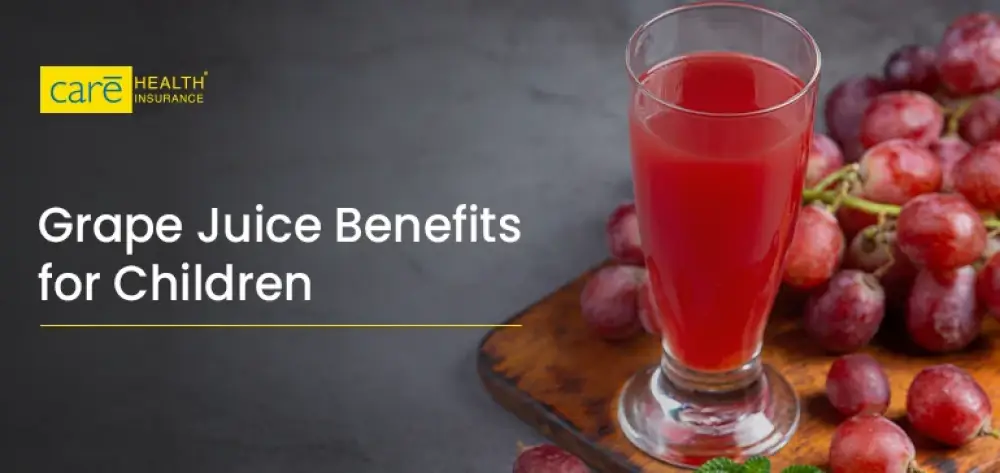
Black grapes are considered a top winter fruit due to their high vitamin C, antioxidants, and essential nutrients. They boost immunity, support heart health and are also a good source of hydration. Most individuals prefer eating grapes, while others consume them as grape juice.
However, when it comes to kids, many parents wonder if grape juice is as healthy as the fruit itself and how much is safe to give. In this guide, we’ll cover key topics, including its nutritional value, suitability for children, health benefits, safe serving sizes, and how it compares to whole black grapes.
Nutritional Value of Grape Juice
While grape juice mainly comprises water and natural sugars, it provides small amounts of protein and very little fat, along with some essential vitamins and minerals. Knowing its nutrient value can help parents decide whether it’s a healthy choice for kids. Here’s the nutritional value per 100 g of grape juice:
| Nutrient | Amount per 100 g (ml) |
|---|---|
| Calories / Energy | 62 kcal |
| Carbohydrates | 14.8 g |
| Dietary Fiber | 14.8 g |
| Protein | 0.37 g |
| Fat | 0.13 g |
| Vitamin C | 0.1 mg |
| Magnesium | 10 mg |
Nutrient Amount per 100 g (ml) Calories / Energy 62 kcal Carbohydrates 14.8 g Dietary Fiber 14.8 g Protein 0.37 g Fat 0.13 g Vitamin C 0.1 mg Magnesium 10 mg Calcium 11 mg
Is Grape Juice Good for Kids? A Quick Answer for Parents
Yes, grape juice is suitable for kids, but only in moderation. According to the American Academy of Paediatrics, children between the ages of one and three should not consume more than 4 ounces of fruit juice daily. This is because of the high sugar content of grape juice. If consumed in excess by children, it can cause cavities and childhood obesity.
Health Benefits of Grape Juice for Children
Here are the top health benefits that grape juice can offer your children:
- Aids Digestion: Black grape juice is rich in fibre and natural sugars. The fibre content helps add bulk to stools, while the juice’s balanced mix of sugars makes it easier to absorb carbohydrates without causing stomach discomfort. Additionally, the polyphenols in grapes support healthy gut function by influencing gut bacteria.
- Supports Heart Health: Grape juice is rich in antioxidants, including resveratrol and flavonoids. They help improve blood circulation, reduce blood pressure, and lower bad cholesterol. Consuming grape juice has also been proven to prevent arterial buildup by reducing oxidative damage and maintaining blood vessel flexibility, supporting long-term heart health.
- Boosts Immunity: Rich in vitamin C and antioxidants, grape juice helps reduce inflammation and strengthen the body’s natural defence system against common infections. These nutrients support immune cells, making it easier for the body to fight off cold, cough and other seasonal illnesses.
How Much Grape Juice Is Safe for Children?
The amount of grape juice that is considered safe to consume for children varies by age:
- Under 1 year: Avoid feeding grape juice.
- 1 to 3 years: Not more than 4 ounces per day.
- 4 to 6 years: Not more than 4 to 6 ounces per day.
- 7 to 18 years: Not more than 8 ounces per day
Grape Juice vs Whole Black Grapes – Which Is Better for Kids?
Whole grapes are considered better than grape juice due to their high nutritional value. The table below shows a comparison of the two:
| Nutrient | Grape Juice (100 g) | Whole Grapes (100 g) |
|---|---|---|
| Calories | 60 kcal | 69 kcal |
| Carbohydrates | 14.8 g | 18.1 g |
| Dietary Fiber | 0.2 g | 0.9 g |
| Sugar | 14.2 g | 15.5 g |
| Vitamin C | Higher | Moderate |
The rich fibre content of whole grapes slows digestion and reduces sugar absorption. This prevents sudden sugar spikes and keeps kids fuller for longer.
While grape juice might provide slightly higher vitamin C, it lacks fibre and contains more concentrated sugars, making it easier to overconsume. Therefore, if you’re looking for a nutrient-rich fruit diet for your children, whole black grapes are considered a better choice.
Easy and Healthy Ways to Give Grape Juice to Kids
Here are simple and nutritious ways to include black grape juice in your child’s diet:
- Diluted Grape Juice: Mix 50% grape juice with 50% water.
- Smoothies with Whole Fruits: Mix grape juice with yoghurt, banana, or oats to add fibre and make it tastier and more filling.
- Grape Juice Jelly: Use natural grape juice with gelatin to make a healthier jelly treat.
- Mix With Other Fruit Juices: Mix grape juice with orange or apple juice to balance the sweetness.
- Breakfast Bowls: Use a small amount of grape juice instead of sugar and honey in cereal.
Safety Tips Every Parent Should Know
Here are some safety tips that every parent should know about grape juice and its usage:
- Avoid Giving Grape Juice to Infants: According to the American Academy of Paediatrics (AAP), infants under 12 months should not be given grape juice. Whole milk or breast milk is preferable for them.
- Use the Right Cup: Pour the grape juice into a small cup or container. Avoid giving children grape juice in a bottle that they can sip throughout the day. This prolonged sugar can increase the risk of tooth decay.
- Avoid Unpasteurised and Homemade Juice: According to infant nutrition guidelines, unpasteurized juice carries harmful bacteria and is not safe for children.
- Promote Water and Whole Fruits: Encourage your child to drink water and eat whole fruits rather than relying solely on juice. This will limit their sugar exposure and improve their dental and overall health.
>>Read More: 8 Power Drinks to Help Detox Your Liver Fast
Final Takeaway for Parents
Grape juice can be a healthy addition to your child’s diet, provided it is served in the correct quantity and form. It’s rich in antioxidants and immunity-boosting nutrients, but should never be a replacement for whole fruits.
Prioritising whole black grapes would ensure your child gets essential fibre and a more balanced nutrient intake. If you choose to offer grape juice to your children, ensure it’s always served in moderation.
Every parent wants the best for their children, whether it's nutritious food, a healthy lifestyle or medical cover. Care Health Insurance’s comprehensive health plan ensures that your child receives timely care and quality treatment when needed.
Disclaimer: The above information is for reference purposes only. Kindly consult your general physician for verified medical advice.
