
Loading article content...
Let’s be honest, a regular cup of chai feels like home in a cup. It’s warm, comforting, and part of our everyday ritual, whether it’s the first sip of the morning or a comforting mid-day break. For many of us, it promises a quick burst of energy and focus, but that lift often fades faster than we expect.
So, here’s a quick poll for you: how long does your morning chai keep you energised?
- All morning
- Just an hour or two
- A second cup is needed
- Still feeling sluggish
If you picked anything other than A, you’re not alone. While chai feels cosy, familiar, and deeply ritualistic, its energising effects often diminish quickly, leaving you sluggish or prompting you to reach for another cup. This is where the benefits of matcha tea quietly stand out: sustained energy, sharper focus, and better blood sugar balance without the sudden spikes that chai can cause.
Is matcha the better choice for your daily boost? Let’s find out.
What is Matcha Tea?
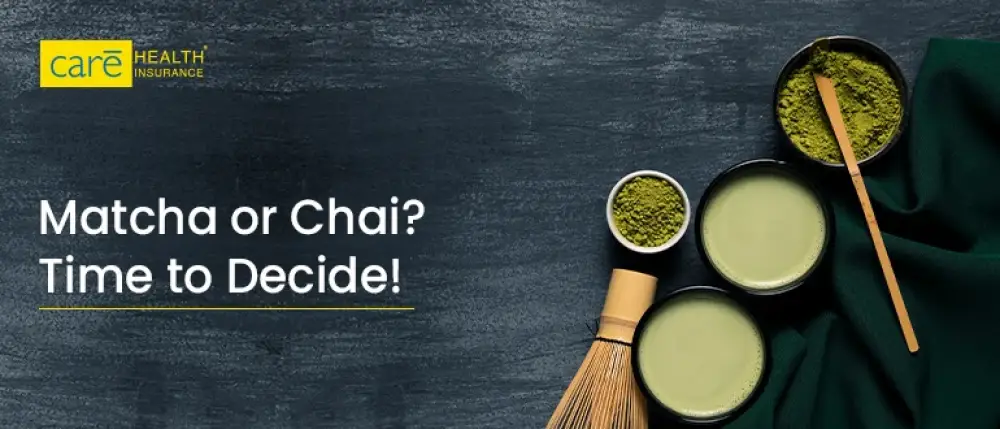
Matcha is a finely ground Japanese green tea powder made from carefully cultivated tea leaves. Unlike traditional green tea, where the leaves are brewed and discarded, matcha provides a richer source of nutrients, antioxidants, and caffeine in every cup. The use of full-leaf results in matcha’s signature bright green colour, rich umami flavour, and long-lasting energy effect.
Traditionally, matcha is whisked into hot water to create a creamy, frothy beverage, an essential part of Japanese tea ceremonies. Today, it is enjoyed worldwide in many forms, including lattes, desserts, smoothies, and baked goods.
Why Matcha Tea is Different: Its Key Characteristics
What is matcha made of? Matcha tea is crafted from shade-grown green tea leaves, giving it a higher nutrient and antioxidant content, and a fuller flavour than regular green tea. However, there’s much more to matcha than just these basics.
- Production and Appearance: The benefits of matcha tea come from its unique production process, in which leaves are cultivated in the shade, making them rich in chlorophyll and amino acids, and then carefully stone-ground whole. This gives matcha its bright colour and boosts its nutrient and antioxidant content beyond that of brewed green tea.
- Flavour Profile: High-quality matcha has a rich, distinctive flavour of fresh, lively green notes, balanced by a light earthiness, and a naturally sweet aftertaste.
- Chemical Composition & Benefits: Matcha is rich in antioxidants, such as EGCG, which may help protect cells and support overall health. Does matcha tea have caffeine? Yes, it contains caffeine and L-theanine that provide lasting, calm energy and may boost metabolism and fat breakdown.
- Grading and Quality: Matcha is available in two primary grades: Ceremonial Grade, which is premium-quality matcha characterised by its vibrant green colour, smooth texture, and subtle, refined flavour. It is best enjoyed on its own. Culinary grade has a slightly astringent taste and is ideal for lattes and desserts.
- Preparation: To prepare matcha the traditional way, whisk the powder in a tea bowl with hot water using a bamboo whisk in a zigzag motion until frothy and creamy.
Nutritional Value of Matcha Tea
We all recognise the nutritional benefits of chai, but have you ever considered what makes matcha a concentrated green energy source? Unlike your regular cup of chai, every sip of matcha contains a concentrated dose of nutrients, antioxidants, and sustained energy that chai can only envy.
| Category | Details (Per 1 tsp/ 2g serving) |
|---|---|
| Calories | 5-10 |
| Carbohydrates | Approximately 1g (mostly fibre) |
| Fibre | Approximately 1g |
| Fat | 0g |
| Protein | 0g (unless milk added) |
| Caffeine | Approximately 35-38mg (higher than regular brewed tea yet less than a cup of coffee). |
| Antioxidants | Contains high levels of catechins, particularly EGCG, which may help reduce inflammation. |
| Vitamins | A, C, E, B1, B2, B3 |
| Minerals | A rich source of essential minerals like potassium, iron, calcium, magnesium, phosphorus, zinc, chromium, and selenium. |
Source:Keicha Tea World
Tea-rific Facts About Matcha: Drinking matcha tea plain delivers the most nutrients, whereas adding milk or sweeteners may slightly reduce antioxidant levels while making it tastier or gentler on the stomach.
7 Surprising Matcha Tea Benefits
One of the frequently asked questions is, “Does matcha tea have caffeine?” The answer is yes, but not in the way most people expect. This tea has a balanced caffeine profile—more than green tea but less than coffee—making it enjoyable. However, this balanced caffeine intake is just one part of the story; matcha offers numerous health benefits that remain to be explored.
- High in Antioxidants: Compared to a regular cup of chai, the nutritional value of chai is more about spices and warmth, while matcha is rich in antioxidants such as EGCG, polyphenols, rutin, and vitamin C. These antioxidants help combat inflammation, defend against cell damage, and boost immune function.
- Support Metabolism: Matcha boosts metabolism with caffeine, EGCG, and L-theanine, helping fat burning and blood sugar stability. In Japan, it's traditionally consumed before physical activity to enhance energy and metabolism without overstimulation.
- Detoxifying Properties: Matcha’s detoxifying properties are attributed to antioxidants such as catechins and EGCG, L-theanine, chlorophyll, and fibre, which help protect the liver, support digestive health, and combat inflammation. Eating it plain supports natural detoxification, provides lasting energy, and enhances healthier skin.
- Brain Function: Matcha enhances brain function through a precise mechanism, L-theanine stimulates alpha waves for calm focus, while caffeine is absorbed slowly for sustained energy. Matcha’s EGC safeguards neurons and promotes the growth of new brain cells. Together, these effects balance neurotransmitters and boost memory, attention, and overall cognitive performance.
- Digestive Support: Matcha promotes gut health with polyphenols, L-theanine, and fibre, fostering beneficial microbes and a balanced digestive system. When combined with probiotics, collagen, and fibre, it further enhances gut health. If you’re curious, does matcha contain sugar? Plain matcha is naturally sugar-free, ideal for digestion.
- Oral Health: Matcha is more than just a vibrant green drink. Antioxidants, particularly EGCG catechins, help prevent tooth decay, soothe inflamed gums, and maintain fresh breath. Understanding what matcha is made of helps explain why it offers greater oral health benefits than brewed tea or coffee.
- Cardiovascular Health: Matcha supports heart health through antioxidants, including polyphenols, EGCG, and rutin. Together, these antioxidants combat cell damage, manage cholesterol, improve arterial flexibility, and strengthen vessels, thereby reducing inflammation and cardiovascular risk.
Also Read: 8 Power Drinks to Help Detox Your Liver Fast
Matcha works quietly but powerfully by leveraging its antioxidants, such as polyphenols and flavonoids, which act as tiny heart guardians, ease inflammation, and improve blood flow. Care Heart Health Insurance provides financial protection for heart patients, including coverage for ICU costs, annual health checkups, ambulance services, and Ayush treatments. Together, matcha and the right health insurance form a thoughtful safety net, with matcha nurturing your heart daily and health insurance protecting you when it counts.
The Dark Side of Matcha Tea No One Talks About!
While matcha tea offers powerful antioxidants and sustained energy, it doesn’t suit everyone. Too much of it, low-quality sourcing, or personal sensitivity can shift it from beneficial to problematic, warranting a closer look at its drawbacks.
- Caffeine Sensitivity: Matcha is high in caffeine, which may lead to anxiety, jitters, nervousness, insomnia, or heart palpitations in some individuals.
- Digestive Issues: Because matcha delivers a more concentrated dose of caffeine, many people wonder, “Does matcha or chai have more caffeine?” The real question is what your body can tolerate without jitters or gut issues. Matcha's caffeine and tannins may be harsh, causing reflux or nausea.
- Iron Absorption: The catechins in matcha can interfere with iron absorption, especially when taken with meals rich in iron or dairy products, making it less ideal for individuals with iron deficiency.
- Contaminants: A poorly sourced matcha may contain lead, pesticides, or residues, making careful sourcing essential.
- Cost: Compared to regular green tea or coffee, premium matcha is noticeably more expensive.
- Added Sugar: Matcha itself is sugar-free, yet its naturally bitter taste often encourages the use of artificial sweeteners or creamers. When asked, does matcha contain sugar? The explanation is that adding sweeteners can increase calorie intake and diminish matcha’s health benefits.
Enjoying matcha safety starts with understanding its risks. The following section explores who should approach it with caution. Keep reading!
Who Should Be Cautious?
While matcha offers many health benefits, some people should be cautious when using it to avoid potential risks or complications.
- Pregnant & Breastfeeding Women
- People with Anxiety and Insomnia
- Those with Anaemia
- People on medications
If matcha is right for you, let's explore easy ways to enjoy it safely every day.
How Can You Incorporate Matcha Into Your Daily Routine?
Matcha isn’t just a drink, it’s a versatile superfood that provides lasting energy, sharp focus, and general wellness from morning to night. Here are some ways to enjoy the benefits of matcha safely and deliciously throughout the day.
Morning: Steady Energy and Mental Clarity
Start your day with sustained energy and focused alertness. Here’s how to sip, sprinkle and blend your way to maximise green goodness.
- Traditional Ritual: Whisk 1 tsp of ceremonial-grade matcha with hot water for a frothy, relaxing morning beverage.
- Smoothie Boost: Add matcha to your breakfast smoothie to boost antioxidants and energy from the start.
Midday Recharge: Stay Productive and Active
Recharge your afternoon with energy-boosting and metabolism-supporting nutrients—various ways to savour matcha because one cup is never enough.
- Pre-workout Drink: Drink a cup of matcha with hot water 30 minutes before exercise to enhance fat burning.
- Energy Bites: Blend culinary-grade matcha with dates, nuts, and coconut to create a wholesome, grab-and-go option.
Evening: Relaxation and Self-Care
Unplug and refresh with a mindful evening with a gentle wellness practice. Here’s how to enjoy it after sunset.
- Skincare Mask: Blend matcha with honey or yoghurt to make a soothing face mask that supports calm, radiant skin.
Wellness Meets Family Protection
The matcha tea benefits you enjoy today are undoubtedly small steps toward preventive health. These conscious wellness decisions build strength every day, yet life can still surprise you with medical emergencies. That’s where pairing healthy habits with family health insurance brings together proactive care and smart preparedness to add an extra layer of care beyond the cup.
Disclaimer: All plan features, benefits, coverage and claims underwriting are subject to policy terms and conditions. Kindly review the brochure, sales prospectus, and policy documents carefully.