
Loading article content...
Have you ever wondered why your child’s teeth seem weaker than those of their peer of the same age, or why they get easily exhausted during school activities and playtime? What seems like your child’s day-to-day life could be hidden symptoms of calcium deficiency in kids.
Like grandmothers would always say, “Eat your milk and greens, or your bones will remind you after 40”. Undoubtedly, after 40, life gets tougher, so it’s time to build stronger bones from childhood. So, behind every strong muscle, calcium is the unsung hero that keeps the body full of life. A childhood without enough calcium sets the stage for brittle bones later in life.
It’s natural to worry, but the good news is coming. If detected early, a little nourishment, supplementation, and lifestyle modifications can help your child grow stronger, taller, and healthier. It’s time to look beyond the obvious because the missing piece to your child’s energy might be calcium. It’s time to identify calcium deficiency before it holds back your child’s growth to their full potential.
Understanding Calcium and Its Role in Child Development
Beyond bones and teeth, calcium is the quiet force behind your child’s every leap. While it’s best known for building strong bones and teeth, it does much more than that. It energises muscles, keeps the heartbeat steady, and nurtures overall wellness.
It’s during these formative years that bones store up the strength that lasts well into adulthood. A daily dose of calcium from milk, cheese, nuts, and greens shields young bones from brittleness, slow growth and bone deformities.
Key Roles of Calcium in Child Development
From the first steps to times of rapid physical development, calcium orchestrates life’s essential rhythms. This is why ensuring enough calcium is vital to support a child’s lasting health and vitality.
- Bone and Teeth Development: From strong bones to cavity-resistant teeth, calcium is the powerhouse nutrient that ensures healthy development in every step and milestone. Adequate calcium intake during childhood helps achieve maximum bone strength, prevents bone deformities, protects against rickets, and maintains cavity-free teeth.
- Muscle and Nerve Function: Calcium helps muscle contraction at the right time and keeps nerve messages flowing. It starts with activating muscle fibres, which contract to produce motion. A sufficient intake of calcium helps keep muscles and nerves in top shape, supporting movement and coordination.
- Nerve Impulse Transmission: Calcium enables neurons to send signals, sparks the release of neurotransmitters, passes messages, and supports brain function, such as memory. In brief, calcium plays a primary role in neuronal communication.
- Heart Health: Calcium powers the heart, maintains muscle contraction, and balances blood pressure. It also supports normal clotting and ensures a healthy circulatory system for your child.
- Hormone Release: Calcium is considered a master regulator of hormones that control essential functions, such as parathyroid hormone and insulin. Calcium also acts as a messenger between cells while supporting hormone function.
Now that you understand your child’s growth story starts with calcium. Let’s identify the hidden deficiency symptoms of calcium, which further reveal that your child’s body requires additional calcium.
The Hidden Symptoms of Calcium Deficiency in Children
Calcium is silently working behind the scenes, but a deficiency can sometimes develop without any apparent signs. Early detection of calcium deficiency allows you to address issues before the child’s bones, dental health, or overall development are compromised.
- Irritability and Fatigue: A lack of calcium can interfere with muscle and nerve function, causing children to feel worn out, easily frustrated, and fatigued.
- Muscle Cramps and Spasms: Calcium is essential for the function of muscles, bones, nerves, and teeth. Insufficient calcium can cause cramping, and nerves may tingle because the body is lacking critical minerals, preventing it from functioning optimally.
- Numbness and Tingling: Proper nerve function relies on calcium; a deficiency can lead to pins-and-needles or numbness in toes, fingers, or around the mouth.
- Poor Growth: As proper calcium supports growth, deficiency can stunt growth, cause weak or brittle bones, and missed developmental milestones. In extreme cases, it can trigger rickets, resulting in bone softening and weakened muscles.
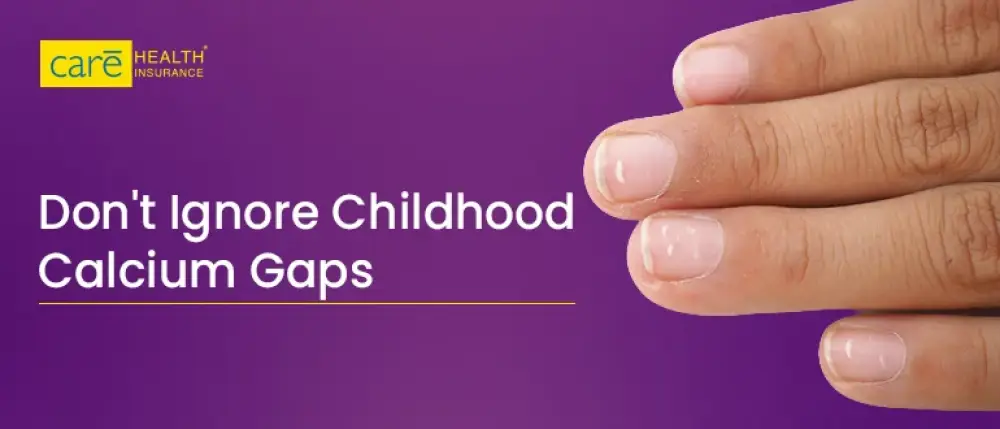
- Dry Skin and Brittle Nails: Calcium effectively supports the structure of nails and skin. Maintaining vitamin D levels, providing a balanced diet, and taking extra care during growth spurts can maximise calcium absorption for optimal growth.
- Dental Problems: Strong teeth and jaws require adequate calcium. Without it, kids might develop weakened enamel, tooth decay, gum problems, and crooked teeth.
- Increased Bone Fractures: As bone health starts with calcium, a deficiency can raise the risk of fractures and osteoporosis later in life.
- Cognitive Issues: A sharp mind needs calcium; deficiency may trigger mood changes, confusion, and reduced concentration. In severe cases, your child may suffer seizures or delayed cognitive development.
As strong bones and bright smiles start with spotting the hidden symptoms of calcium deficiency, it’s time to identify the subtle clues today. Detect early and respond wisely to build your child's lasting wellness.
The Long-Term Risks of Early Calcium Deficiency
By now, it’s clear that calcium goes far beyond childhood needs. It’s an investment for a lifetime for strength and resilience. A deficiency during these formative years may leave lasting effects on bone health and draining vitality.
- Irreversible Bone Development Issues: Prolonged calcium deficiency in childhood can permanently alter bone and dental development. One must understand that what begins as mild calcium deficiency symptoms may later in adulthood manifest as brittle bones and persistent dental troubles.
- Rickets: Rickets often arises from a deficiency of calcium or phosphate and may cause bow legs and knock-knees. The deformities usually happen because the bones are too soft to support the child’s increasing weight.
Do you know: Severe pelvic changes from childhood may complicate childbirth in adulthood.
- Osteoporosis: Since the late teens, 90% of adult bone mass is built; therefore, consuming enough calcium can be the best defence against osteoporosis in adulthood.
Bone Boost Tip: Even if your child’s nutrition is rich in calcium, calcium can’t thoroughly do its job in building strong bones. The reason is that if calcium builds bones, vitamin D opens the door to maximising bone health and preventing symptoms of calcium deficiency. To ensure proper calcium absorption, introduce calcium-rich foods or supplements that contain vitamin D, either through sunlight, a balanced diet, or supplements.
Also Read: 8 Untold Benefits of Vitamin D in Baby Development
Grandma Was Right- Early Care Matters
Grandma always knew the value of early attention. Identifying early warning signs and responding promptly helps safeguard your child’s overall development.
- Recognise Early Warning Signs: As early signs of calcium deficiency often go unnoticed, it is crucial to watch for muscle or tingling in the feet and hands. Your child may also experience brittle nails and skin, chronic low energy and mental sluggishness.
- Act Quickly on Suspicions: Low blood calcium (hypocalcemia) can affect bones, teeth, and muscles. If you notice specific symptoms of hypocalcemia, act promptly, as time lost in identifying low calcium levels can have lifelong consequences.
- Address the Root Cause: Symptoms of calcium deficiency can stem from an unbalanced diet, vitamin D deficiency, or underlying medical conditions such as thyroid or kidney problems. Correcting the underlying reasons for hypocalcemia ensures lasting growth and strength.
Calcium deficiency in children can sometimes be associated with severe underlying medical conditions. However, addressing these serious conditions can put a heavy financial burden on families. Critical illness insurance covers the expenses of a critical illness, including liver failure and 31 other significant health issues.
Benefits often include OPD expenses, global coverage, no-claim bonuses, and even air ambulance services. Minimum eligibility includes children aged 91 days to 4 years, provided that one adult aged 18 or older is on the plan. Start investing in your child’s health today to ensure a healthy, resilient future.
Fixing it Early: Preventive and Treatment Strategies
Prevention and early intervention often go hand in hand. Therefore, an intricate mix of nutrition, vitamin D, and healthy habits forms the first line of defence against calcium deficiency in children.
- Dietary Changes: Preventing calcium deficiency in children is all about consuming the right foods, getting enough vitamin D, and engaging in active routines. Help your children avoid excess soda, salt, and caffeine that can contribute to calcium deficiency.
- Vitamin D: Ensure your child receives safe sun exposure, vitamin D-rich foods, and appropriate supplements. However, don’t rely on excessive supplements or a diet-only approach, as they backfire and can compromise bone strength.
- Lifestyle Habits: You can support your child’s growth wth specific weight-bearing exercises paired with a consistent calcium-rich diet and snacks. Seek professional advice for supplements to ensure your child meets their calcium and vitamin D needs safely.
- Supplements: For children with low calcium levels, supplements can be a practical option to address calcium deficiency. Calcium carbonate, taken with meals or citrate, can be taken at any time to fill gaps effectively.
Bone Boost tip: Some forms of calcium supplements are best taken with meals. Stick to the recommended schedule for optimal results. Choose the correct form and pair with vitamin D to maximise absorption.
Also Read: Think Before You Sip: The Dark Side of Drinking Soft Drinks
Parents’ Promise: Safety and Coverage with Care OPD
Children’s deficiencies can have a direct impact on their parents, who worry that even minor deficiencies may compromise their child’s health in adulthood. Instead of worrying, parents can benefit from Care OPD, which offers four physical consultations and access to 14 specialists, including a paediatrician, to help them act before issues escalate. So, time’s ticking, take action now and witness how well your child thrives with confidence.
Disclaimers: The above information is for reference purposes only. Kindly consult your general physician for verified medical advice. The health insurance benefits are subject to policy terms and conditions. Refer to your policy documents for more information.