
Loading article content...
For centuries, European grandmothers have relied on elderberries, also known as “Sambucus”, which derives its name from the Greek word meaning “health” or “protection”. These small berries are Europe’s secret to wellness and have been lovingly preserved by grandmothers who swear by eleberries’ natural care.
For generations, they brewed teas, syrups, and tonics, relying on their healing properties to alleviate cold symptoms, build resilience, and protect families from the harsh European winters. What began as Grandma’s trusted remedy is now globally embraced, bridging the gap between traditional remedies and modern wellness. This reminds us that the foundation of well-being lies in nature’s humble offering.
This blog is your one-stop guide, covering everything from history and nutritional insights to elderberry health benefits, practical DIY projects, and everything you need to know, all presented in a simplified manner.
Historical and Cultural Roots of Elderberries
Elderberry holds a rich legacy not only in medicine but also in mythology and culture. Indigenous North Americans value these tiny berries for their curative and spiritual properties, and in Europe, they are also regarded as symbols of legend and protection.
- The Divine Tree of Melody: Among many indigenous peoples of the Americas, the elderberry tree holds a sacred place as the tree that sings. Crafted into traditional flutes, elder stems became instruments of traditional ceremonies.
- Healing and Protection: Elderberry has been used as a powerful medicine in indigenous tribes. Its flowers and fruits offered relief, easing fevers, coughs, and injuries, while the tree itself became a timeless symbol of healing and endurance.
- Ancient and Medieval use in Europe: Hippocrates praised elderberries as a “medicine chest”. During the Middle Ages in Europe, it was often planted near homes, believed to ward off dark magic and harmful spirits.
- Mythological Connections: In European folklore, the elderberry tree was believed to be connected to both fairies and the world of the dead. Scandinavians believed that a spirit dwelt in the elder tree, which could offer protection or bring misfortune depending on how it was treated.
Once seen as symbols of health and protection, elderberries now stand tall for their powerful nutritional benefits, which are discussed in the next section.
What are Elderberries and their Nutritional Profile
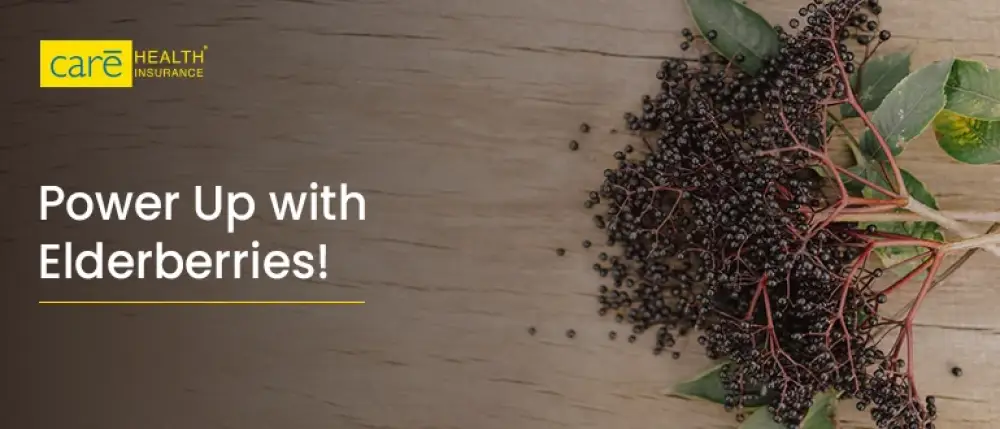
Elderberries are small, deep purple to black fruits belonging to the Sambucus genus, with the widely renowned types being the American Elderberry (Sambucus canadensis) and the European Elderberry (Sambucus Nigra).
For ages, they were confined to the culinary traditions of Indigenous Americans and Europe. Now, the benefits of elderberries are spreading worldwide, with an increasing number of people eager to incorporate them into their daily lives due to their nutritional value.
Key nutritional components of elderberries are the following:
- Vitamins: A rich source of vitamin C, elderberries are crucial for boosting immunity and reducing tiredness. They also supply Vitamin B6, which is vital for supporting healthy metabolism.
- Minerals: These berries provide a fair amount of iron, which is an essential mineral in the formation of red blood cells, and potassium, which is crucial for keeping the body’s fluid balanced.
- Antioxidants: Do you know that elderberries have a unique colour that also gives them their unique properties? An intricate combination of anthocyanins, phenolic acids, and flavanols calms, protects, and supports inner health.
- Fibre: Being fibre-rich, elderberries promote gut health and give relief from constipation.
- Macronutrients: The composition of elderberries is significantly water and carbohydrates, with small quantities of fat and protein.
Do you know: Fresh elderberries are loaded with Vitamin C and water, while dried ones lose their water content but become denser in calories, fibre, and minerals. The drying process reduces certain antioxidants while intensifying other essential nutrients, giving both forms distinct health benefits.
Benefits of Elderberry Backed by Science
Elderberries offer a legacy of surprising health benefits. Modern science now confirms their diverse advantages, making elderberries a potent superfruit for the following reasons.
- Skin Health Support: Elderberries support skin health with potent antioxidants, including flavanols and anthocyanins, that shield against ageing, ease skin flare-ups, and promote collagen for a radiant glow.
Did you know that in the Middle Ages, European women used elderflower water as a natural skin tonic to refresh and enhance radiance, and to reduce blemishes? It demonstrates how to incorporate elderberry into your daily beauty routine.
- Heart Wellness: These berries are tiny guardians of the heart, rich in flavanols and fibre that support lower cholesterol, ease blood pressure, and optimise blood movement. Although they show great potential, elderberries should be used to complement medical treatment, not as a replacement for it.
- Blood Sugar Regulation: Elderberries regulate blood sugar by slowing carb digestion and improving glucose use. Thanks to its anthocyanin-rich compounds, which provide anti-diabetic properties, it serves as a natural aid for maintaining metabolic balance.
- Respiratory Relief: Rich in immune-boosting nutrients, elderberries may help reduce the severity and shorten the duration of flu and cold symptoms. These berries are often found in syrups, capsules, teas, and gummies that offer natural relief for breathing troubles, help clear nasal congestion, and soothe seasonal discomforts.
- Weight Management: Cooked elderberries provide proactive support for weight management, especially in older adults, by enhancing metabolism, balancing blood sugar levels, and keeping you fuller for the day.
- Gut Health Booster: With prebiotic polyphenols, elderberries boost digestive wellness by feeding good bacteria and strengthening gut defences. Their high fibre content also prevents constipation. Since elderberries are packed with phenolic compounds like quercetin, they also defend the body from free radical harm.
Do you know: In Germany, elderberry flowers are traditionally used to make Holunderblutensirup and are widely used on May Day (Maifest), marking the beginning of spring and the new harvest.
- Fertility Boost: Elderberries have the potential to boost testosterone levels, improve sperm health and shield reproductive cells from damage caused by oxidative stress. For women, the intricate compounds show potential to maintain hormone balance, strengthen ovarian cells, and support overall reproductive well-being.
Pro tip: While natural remedies like elderberries can aid fertility, it’s just as crucial to be realistic and plan responsibly. A maternity health insurance plan, starting at just ₹52/day, ensures financial protection and peace of mind for your growing family, something no natural supplement can replace.
Practical Usage of Elderberries
Elderberries are undoubtedly a versatile superfruit that can be used as a practical addition to your daily wellness routine. However, the practical use of elderberries varies depending on the specific health benefits desired. Here are some valuable ways to use elderberries effectively to address specific health needs.
| Purpose / Benefits | Practical Usage | Additional Notes / Tips |
|---|---|---|
| Immune Support | Elderberry juice or syrup | Use it during cold & flu season; be aware of extra sugars in commercial syrups. |
| Digestive Health | Cooked elderberries in yoghurt, oatmeal, teas or smoothies | Supports gut bacteria and metabolism; rich in essential fibre. |
| Cold & Flu Relief | Warm elderberry tea | Helps ease throat discomfort and symptoms; best consumed 2–3 times a day. |
| Blood Sugar Regulation | Elderberry extract with meals | Slows carbohydrate absorption and helps maintain steady blood sugar levels. |
| Skin & Beauty | Elderberry face masks or elderflower water | Enhances skin radiance and reduces inflammation; can be applied topically or taken as a tonic. |
| Fertility Support | Cooked elderberries, teas or low-sugar supplements | Supports reproductive wellness; consult a healthcare professional for fertility concerns. |
From the health benefits of elderberries to homemade delights, it’s time to dive into creative and simple DIY ideas next.
Elderberry Jam, Your Way: Fun DIY Recipes
Homemade elderberry jam isn’t just tasty; it’s a healthy pick-me-up that keeps sugar in check while enjoying top-quality freshness. Making it at home also adds a personal touch to your breakfast or desserts, making it a natural remedy for the peak of seasonal sniffles.
Ingredients:
- 2 cups of fully ripe elderberries
- 1 cup of preferred natural sweetener.
- 1 tbsp of fresh lemon juice.
- 1 tsp of Pectice (optional) for a thicker consistency.
Instructions:
- Put the elderberries in a saucepan with a splash of water. Cook gently until they become soft and start releasing their juices.
- Crush the cooked berries and strain them properly to separate the seeds.
- Add your preferred natural sweetener and lemon juice to the mixture, then cook over medium heat until it dissolves perfectly.
- Bring the mixture to a boil, stirring often, and add pectin to achieve your desired consistency.
- Transfer the hot jam into sterilised jars, make sure to seal them tightly, and allow them to cool. Keep the mixture in the fridge for 2 to 3 weeks. You can also process preservation for more extended storage.
Tips & Twists:
Drop in a cinnamon stick or add a dash of ginger for a cosy, spiced twist.
Pro Tip: Dry the leftover elderberry seeds and skins, then add them to your compost bin to improve soil fertility organically.
Now that you’ve learned how to make elderberry delicacies at home, let’s take a closer look to explore the other side of the story, i.e. risks and limitations.
The Flip side of Elderberries
The best of nature should be embraced with balance and awareness. Like many natural remedies, the key to safe elderberry use depends on the preparation method, the frequency of use, and one’s personal health needs. Recognising the risks lets you savour elderberries to their fullest, handled with utmost safety and mindful use.
- Toxicity: Unripe elderberries, along with their stems, leaves, and seeds, hold poisonous compounds known as cyanogenic glycosides. It tends to release cyanide if eaten raw. Thankfully, proper cooking eliminates the harmful compounds, allowing ripe elderberries to be safely enjoyed.
- Allergic Reactions: Some people may be allergic to elderberries. These allergies can range from mild reactions, such as swelling or itching, to severe symptoms, including trouble breathing. Individuals with existing allergies should approach elderberries with caution and consult a healthcare professional if necessary.
- Interactions with Medications: Elderberries may interact with immunosuppressant drugs, potentially altering their effectiveness. Additionally, these berries possess diuretic properties, which should be used with caution, particularly for individuals taking diuretic medications.
- Risk for Certain Groups: While elderberries offer remarkable health benefits, pregnant or nursing women should avoid them. Additionally, individuals with autoimmune conditions should consume these berries with caution, as they can boost the immune system and potentially exacerbate conditions such as multiple sclerosis, lupus, or rheumatoid arthritis.
- Other Considerations: The quality and safety of elderberry products can vary significantly by brand. Although cooked elderberries are generally safe when consumed in moderation, excessive consumption can lead to unwanted side effects.
This proves that while elderberries support wellness, a comprehensive family insurance policy remains essential to protect your family from unforeseen risks. With a trustworthy family insurance policy, your loved ones stay protected from various lifestyle diseases and costly treatments associated with unexpected medical crises.
Wellness First, Coverage Next
Elderberry has long been a staple in European kitchens, but its wellness benefits make it a perfect fit for Indian households. This emphasises to us that taking care of health naturally with wholesome nutrition, regular exercise, and elderberry-based remedies should always come first. However, combining healthy habits with thoughtful medical coverage can help protect you and your family from health expenses and medical emergencies, keeping you calm and secure.
So, it’s high time to sign up for a reliable family health insurance policy so that you can enjoy the goodness of elderberries and let the goodness of health come alive.
Disclaimer: All plan features, benefits, coverage and claims underwriting are subject to policy terms and conditions. Kindly refer to the brochure, sales prospectus and policy documents carefully.