
Loading article content...
We often celebrate birthdays by counting how many years we’ve lived, but what if your body tells a completely different story? That’s where the concept of biological age comes in. Unlike chronological age, which simply reflects the number of years since you were born, biological age measures how well (or poorly) your body is actually functioning.
It’s very much possible to be 40 on paper but have the health markers of someone much younger or older. The exciting part? You can influence this number. Your habits, diet, stress levels, and overall lifestyle all play a role in shaping your body’s true age. In this blog, we’ll explore what biological age really means, how to measure it, and practical ways to improve it for a healthier, longer life.
What Exactly Is Biological Age and Why Does It Matter?
Let’s break it down simply. Your biological age simply reflects the condition of your cells, organs, and systems. Factors like genetics, lifestyle, environment, and medical history influence it.
But why does it matter? Because it’s a better predictor of your health than your actual age. A lower biological age often means:
- Better heart health.
- Stronger immunity.
- Lower risk of chronic diseases.
In contrast, a higher biological age may indicate underlying issues that need attention. Understanding this concept helps you take proactive steps toward better health.
How Can You Measure Your Biological Age?
You might be wondering how to actually find out your body’s age. This is where a biological age test comes into play. These tests analyse various health markers, such as:
- Blood biomarkers (cholesterol, glucose levels): Measurable indicators in the blood, such as glucose and cholesterol, that reflect metabolic function, cardiovascular risk, and overall health status.
- DNA methylation patterns: Epigenetic modifications that add methyl groups to DNA, regulating gene expression and acting as a molecular clock to track ageing and disease risk.
- Heart rate variability: The fluctuation in time intervals between consecutive heartbeats, indicating the balance of the autonomic nervous system and the body's ability to adapt to stress.
- Body composition: The breakdown of body weight into fat, muscle, water, and bone, providing a more detailed picture of fitness and health risks than weight or BMI alone.
Some tests are available through healthcare providers, while others are offered via digital health platforms. They provide insights into how your body is ageing internally.
What Is a Biological Age Score?
Once you take a test, you’ll often receive a biological age score, which compares your body’s condition to your actual age. This score acts as a health snapshot, helping you understand where you stand and what improvements you can make. For example:
- If you’re 45 but your biological age score is 38, your body is ageing well.
- If your score is higher than your actual age, it may signal the need for lifestyle changes.
How Do Experts Determine Biological Age Accurately?
To determine biological age, experts rely on a combination of scientific methods rather than a single metric. Modern tools are becoming increasingly accurate, making it easier to track your health over time. Many healthcare providers now integrate these insights into preventive care strategies. These may include:
- Advanced blood tests.
- Genetic analysis.
- Lifestyle assessments.
- Physical fitness evaluations.
Can You Actually Reverse Your Biological Age?
In case you’re wondering whether you can reverse your biological age: The answer is encouraging, yes, to an extent.
While you can’t stop time, you can slow down or even reverse certain ageing processes by improving your day-to-day lifestyle. It is observed that changes in diet, exercise, and stress management can positively impact cellular health. Think of it as giving your body a chance to “reset” and function more efficiently.
What Lifestyle Changes Can Improve Your Biological Age?
Improving your biological age isn’t about drastic changes; it’s about consistency.
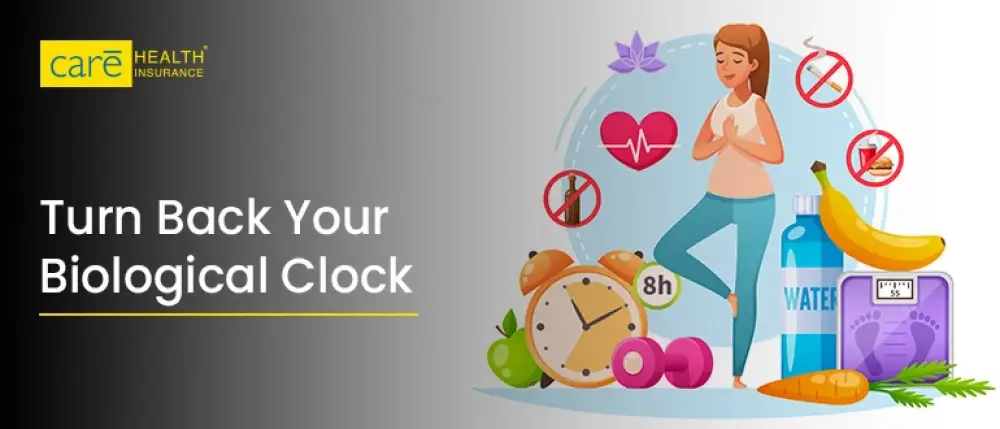
- Eat a Nutrient-Rich Diet: Focus on whole foods, including fruits, vegetables, lean proteins, and healthy fats. Avoid processed and high-sugar foods.
- Stay Physically Active: Regular exercise improves cardiovascular health, muscle strength, and metabolism.
- Prioritise Sleep: Quality sleep allows your body to repair and regenerate.
- Manage Stress: Chronic stress accelerates ageing. Practices like meditation and yoga can help.
These small but powerful habits can significantly impact your biological age over time.
Is There a Specific Test to Determine Biological Age at Home?
With advancements in technology, there are now accessible options for a test to determine biological age from the comfort of your home. These may include:
- At-home blood test kits.
- Wearable fitness trackers.
- Online health assessments.
While they may not be as comprehensive as clinical tests, they still offer valuable insights into your overall health.
How Often Should You Check Your Biological Age?
Tracking your progress is very important. Generally, we recommend taking a biological age test periodically, perhaps once a year, to monitor improvements. This helps you:
- Stay motivated.
- Adjust your lifestyle strategies.
- Identify potential health risks early.
Regular monitoring turns your biological age into a measurable health goal rather than an abstract concept.
What Role Does Preventive Healthcare Play in Ageing Better?
Improving your biological age isn’t just about daily habits; it’s also about proactive healthcare.
Regular check-ups, screenings, and early interventions can prevent minor issues from becoming major problems. This is where having a reliable health insurance plan becomes crucial.
For instance, Care Health Insurance offers plans that support preventive healthcare, diagnostic tests, and wellness programs. These features make it easier to monitor your health markers and stay on top of your biological ageing journey, without worrying about unexpected medical expenses.
What Mistakes Should You Avoid When Trying to Improve Your Age Score?
Improving your biological age score is a gradual process. Patience and consistency are key. While working on your health, it’s easy to fall into common traps:
- Following extreme diets.
- Ignoring mental health.
- Skipping regular check-ups.
- Expecting instant results.
Can Technology Help You Track and Improve Your Health?
Absolutely. From fitness apps to wearable devices, technology plays a big role in modern health management. These tools can track:
- Heart rate.
- Sleep patterns.
- Activity levels.
By combining these insights with professional guidance, you can better understand how your habits impact your biological age.
>>Read More: 5 Typical Health Issues that can arise Beyond the Age of 40
Final Words!!
Your age is more than just a number; it’s a reflection of how well your body is functioning. While you can’t change your birth date, you can influence how your body ages over time.
By understanding your biological age and taking steps to improve it, you’re investing in a healthier, more active future. Simple lifestyle changes, regular monitoring, and preventive healthcare can go a long way in helping you feel younger and stronger.
And remember, having the right health insurance ensures you have access to the tools and support you need to stay on top of your health journey. Because in the end, it’s not about how old you are, it’s about how well you live.
Disclaimer: The given information is for reference only. Kindly consult your doctor for any medical advice. Also, the health insurance benefits are subject to the terms and conditions of the respective policy. Ensure you refer to the policy documents carefully before moving further.