
Loading article content...
An ectopic pregnancy can be confusing, it can be frightening and sometimes challenging to recognise, particularly in the initial weeks when symptoms might look like those of a typical pregnancy. Recognising the condition early can have a substantial impact on the outcome.
Ectopic pregnancies are the primary cause of women's death in the initial stages of the first trimester, causing about 5%-10% of all pregnancy-related deaths. In this situation, while the fetus itself cannot survive beyond a few weeks, the pregnancy, if continued, can cause acute pain and pose life-threatening risks to the mother’s life.
Because an untreated ectopic pregnancy is a medical emergency, knowing what an ectopic pregnancy is, the warning signs, and key ectopic pregnancy symptoms is crucial for timely treatment and reducing the risk of any future complications.
What is Ectopic Pregnancy?
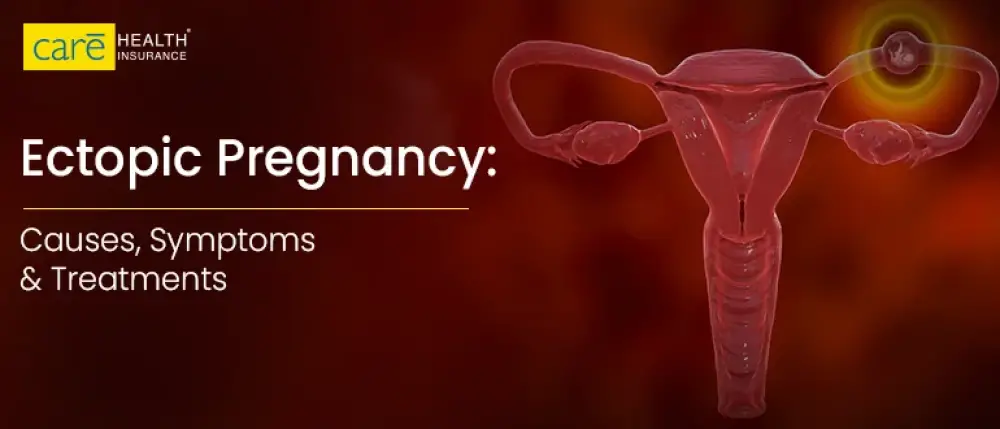
In an ectopic pregnancy, the fertilised egg implants and develops outside the uterus. This can occur in the fallopian tubes, ovaries, abdominal cavity, or cervix.
Unlike normal pregnancies, an ectopic pregnancy cannot progress correctly. When the fertilised egg implants in the fallopian tube, it lacks the space to grow. Similarly, if implantation occurs in the cervix, ovaries, or abdomen, there may be an insufficient nutrient supply for proper development.
In most cases, the fetus does not survive beyond 12 weeks. If the affected organ, often the fallopian tube, ruptures, it can lead to severe consequences, such as bleeding, acute pain, vaginal bleeding, dizziness, nausea, and, in critical cases, even death.
Signs and Symptoms of Ectopic Pregnancy
The early stages of an ectopic pregnancy resemble a typical pregnancy, but certain signs of ectopic pregnancy can assist you in identifying the condition early.
- Vaginal Bleeding: This can range from light to heavy and may differ from a normal menstrual period. The bleeding may appear red, brown, or black, and may be watery.
- Abdominal Pain: It is a widespread symptom during ectopic pregnancy and can range from mild to severe. The pain often begins mild and gradually intensifies as the pregnancy progresses.
- Shoulder Pain: In some cases, shoulder pain may result from internal bleeding irritating the diaphragm.
- Dizziness or Weakness: You might also feel dizziness and weakness due to internal bleeding.
What are the Causes of Ectopic Pregnancy?
Several factors contribute to the development of ectopic pregnancy:
- Blocked Fallopian Tubes: Infections, inflammation, or scarring can obstruct the fallopian tubes. Pelvic inflammatory disease (PID) causes bacterial infections resulting in inflammation in the fallopian tube, which increases the risk of Ectopic pregnancy.
- Hormonal Imbalances: High estrogen and low progesterone levels can affect the movement of the tube.
- Medical History: Having a past Ectopic gestation increases the chances of another.
- Birth Control Failures: While rare, getting pregnant with an IUD can sometimes lead to an ectopic pregnancy.
Types of Ectopic Pregnancies
Ectopic pregnancies are classified based on where the fertilised egg implants.
- Ectopic Tubal Pregnancy: Over 90% of fertilised eggs implant and grow outside the uterus, most often in the fallopian tube, specifically the ampulla.
- Interstitial Pregnancy: Implantation occurs within the muscular wall of the uterus. This type can be hazardous as it may go undetected for an extended period.
- Ovarian Pregnancy: The fertilised egg implants directly on the ovary. This rare condition may occur due to irregularities in ovulation or problems with egg release, potentially causing ovarian rupture and internal bleeding.
- Abdominal Pregnancy: The fertilised egg implants in the abdominal cavity, potentially attaching to organs like the liver or intestines.
- Cornual Pregnancy: It starts occurring in the upper corners of the uterus (cornua). Cornual pregnancy is often linked to uterine malformations, fibroids, or scarring from previous surgeries.
- Heterotopic Pregnancy: It involves simultaneous intrauterine and ectopic pregnancy. Though extremely rare, it is more common in cases involving assisted reproductive techniques (ART), like in vitro fertilisation (IVF).
Risk Factors of Ectopic Pregnancy
Ectopic pregnancy carries various risk factors, which can also affect future pregnancies. Here are some factors that may increase the risk:
- History of Ectopic Pregnancy: If someone has had a history of ectopic pregnancy, there is a chance that they can have another.
- Sexually Transmitted Infections: Inflammation and infections, such as chlamydia or gonorrhoea, can result in inflammation in the tubes and other organs, putting you at risk of an ectopic pregnancy.
- Fertility Procedures: Women who have undergone in vitro fertilisation (IVF) or other fertility treatments are more likely to develop ectopic pregnancy.
- Tubal Ligation: Tubal surgery is performed to repair a damaged or closed fallopian tube, which may also lead to ectopic pregnancy.
- IUD Use: There are rare chances of getting pregnant if you use an intrauterine device (IUD). Even if you conceive with an IUD, the chances are high that it is an ectopic pregnancy.
- Smoking: The risks of smoking are numerous. Smoking regularly before conceiving makes you more likely to have an ectopic pregnancy.
How is Ectopic Pregnancy Diagnosed?
Diagnosing ectopic pregnancy involves a combination of methods, and early detection is critical to prevent complications. Primary diagnostic methods include:
- Medical History and Physical Examination: The doctor will review symptoms such as abdominal pain, irregular vaginal bleeding, or missed periods—a pelvic exam checks for tenderness, enlarged uterus, or pelvic masses.
- Transvaginal Ultrasound: A transvaginal ultrasound provides a clear image of the reproductive organs. This imaging technique is the most reliable for detecting an ectopic pregnancy.
- Blood Tests (hCG Levels): Blood tests measure hCG (Human Chorionic Gonadotropin) levels, which are typically lower and rise more slowly in ectopic pregnancies than in normal intrauterine pregnancies.
- Diagnostic Laparoscopy: It is a minimally invasive surgical procedure where a camera is inserted into the abdomen to visualise the reproductive organs directly.
What is the Procedure of Ectopic Pregnancy Surgery?
The treatment methods for Ectopic pregnancy depend on the severity. In the early stages, medications can be effective, but if the condition becomes more complex, the doctor may recommend surgical procedures to avoid further risks and complications.
Let us have an overview of the procedures followed during the Ectopic pregnancy surgery:
- Preoperative Evaluation: The patient undergoes blood tests, including a complete blood count (CBC) and blood typing, to prepare for potential blood transfusions. Ultrasound or other imaging tests are used to confirm the location of the Ectopic pregnancy.
- Anaesthesia: General anaesthesia is administered to ensure the patient remains unconscious and pain-free during the surgery.
- Surgical Techniques: The choice of surgical approach depends on the patient's condition, the location of the Ectopic gestation, and the extent of damage. Laparoscopy involves minor cuts, a camera, and instruments to remove the foetus from an ectopic pregnancy, with less pain and scarring. Laparotomy uses a large incision, often in emergencies, to directly remove the foetus and repair organs.
Tips to Prevent Ectopic Pregnancy
While not always preventable, you can minimise the risk by:
- Practice Safe Sex: Using protection during sexual intercourse can reduce the risk of sexually transmitted infections (STIs).
- Get Regular Gynaecological Check-Ups: Routine gynaecological examinations help identify and treat conditions such as PID, uterine abnormalities, and preeclampsia early.
- Avoid Smoking: Smoking has been linked to damage to the fallopian tubes, which can interfere with the typical passage of a fertilised egg.
- Plan Pregnancy Timing: Spacing pregnancies appropriately and avoiding unplanned pregnancies can reduce the risk of an Ectopic pregnancy.
>> Read More: How to Avoid Preeclampsia: A Quick Pregnancy Guide
Secure Motherhood with Maternity Insurance.
Understanding ectopic pregnancy symptoms, causes, and treatments is essential for safeguarding reproductive health, and early detection can make all the difference. But pregnancy-related emergencies can be unpredictable, making financial preparedness crucial.
Maternity health insurance provides specialised cover for pregnancy and childbirth costs, including checkups, scans, consultations, No Claim Bonanza, and hospitalisation for delivery. In our Care Joy Today and Care Joy Tomorrow plans, we offer lifelong renewal with 9-month and 24-month maternity waiting periods, respectively. You get coverage for room rent, ICU, prenatal and postnatal expenses, ambulance cover, and more. These ensure timely, high-quality care free from financial stress.
So, stay aware and stay prepared with maternity insurance, which safeguards your health and assists your motherhood journey.
Disclaimer: The above information is for reference purposes only. Kindly consult your general physician for verified medical advice. The health insurance benefits are subject to policy terms and conditions. Refer to your policy documents for more information