
Loading article content...
Food has a bigger impact than we think. It directly affects the way we feel, how our bodies function, and our risks for diseases like cancer. While no single food can eliminate your cancer risk, there are some which can significantly lower your risk for cancer and several other chronic illnesses.
In the blog, we’ll explore key foods and nutrients that might help minimise your risk of cancer and highlight the role of healthy lifestyle choices. By the end of the blog, we’ll also understand the role of health insurance in safeguarding us from life-threatening diseases like cancer. So, without further ado, let’s get started.
Top Five Foods for Reducing Cancer Risk
Here are the top five foods that are commonly recommended for reducing cancer risk:
Cruciferous Vegetables
Cruciferous vegetables contain glucosinolates that reduce inflammation and detoxify harmful substances in the bloodstream. They enhance the body's natural defence mechanisms against cancer-causing agents. Some excellent choices include broccoli, cauliflower and brussels sprouts.
Berries
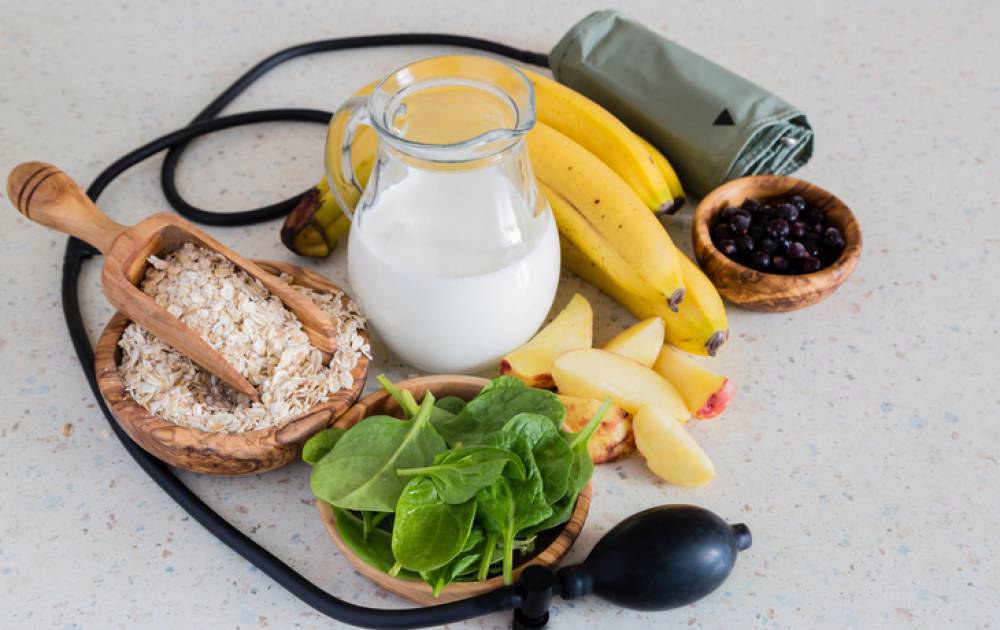
Rich in antioxidants like flavonoids, berries help protect cells from oxidative damage and may reduce the growth of cancerous cells. A study showed that after 25 people with colorectal cancer were treated with blueberry extract for 7 days, the growth of cancer cells decreased by 7%. Based on this evidence, including strawberries, blueberries or raspberries, can be a delicious way of cancer prevention.
Tomatoes
Lycopene, the compound responsible for the red colour of tomatoes, is a powerful antioxidant that may lower the risk of prostate cancer. It neutralises harmful free radicals in the body. Some research also suggests potential benefits for lung and stomach cancer, although findings. Eating raw tomatoes or consuming them in the form of soups and curries can be an effective risk-minimization strategy.
Garlic
Garlic contains sulfur compounds, including allicin. It reduces inflammation, enhances immune function and slows down the progression of cancer cells in the body, particularly in the digestive system. Eating raw garlic may not be the best idea as it can leave a bitter aftertaste in your mouth. Thus, consuming roasted garlic can be helpful.
Green Tea
Studies indicate that polyphenols present in green tea may reduce the chances of several types of cancer including prostate, breast, pancreatic and stomach cancers. Having two to three cups of green tea every day can be a healthy start to the day.
Reducing the Risk Beyond Diet
While diet is crucial, several other factors play a significant role in minimizing cancer risk:
Adding Physical Activity to your Routine
With the fast-paced lifestyle we lead, it’s natural to overlook physical activities. In a world where increased screen time has become the new normal, taking out time for physical activities can help regulate hormones and enhance immune function, all of which contribute to reduced cancer risk.
Maintaining a Healthy Weight
Studies show a strong link between obesity and cancer risk. For example, obese individuals are 30-50% more likely to develop colorectal cancer. While obesity is also linked to other cancers including breast, endometrial, and liver cancers, daily exercise can help in maintaining a healthy weight.
Avoiding Tobacco and Alcohol Consumption
Tobacco is responsible for approximately 22% of cancer deaths worldwide and alcohol consumption is the cause of 6% of cancers worldwide. Both smoking and alcohol are directly linked to several types of cancers. Therefore, avoiding tobacco and limiting alcohol consumption is one of the most effective ways of reducing cancer risk.
Getting Regular Screenings and Early Detection
Regular screenings detect early symptoms of cancer before it spreads to other organs in the body. It also increases the likelihood of successful treatment, as cancers detected at an early stage are often responsive to treatment options such as chemotherapy, radiation and surgery.
Managing Stress and Prioritizing Mental Health
During stressful situations, your body releases stress hormones such as cortisol and adrenaline that suppress immune responses, affecting the ability of your body to identify and fight abnormal cells including cancer cells. Trying stress management techniques such as meditation, yoga or even consulting a professional for chronic stress can help keep you mentally sane.
Bottom Line
While no diet can completely prevent cancer, incorporating these cancer-fighting foods into your meals can significantly lower your risk. Combining a healthy diet with lifestyle changes including regular exercise, avoiding tobacco and alcohol consumption, stress management and regular screenings go a long way in reducing the overall cancer risk.
So, the next time you go grocery shopping, don’t forget to buy cancer-fighting foods and try incorporating positive lifestyle changes and consider how cancer insurance can help safeguard your future for a better tomorrow.
>>Also Read Cancer Treatment - Caring Your Physical and Mental Health
Disclaimer: The above information is for reference purposes only. Kindly consult your general physician for verified medical advice. The health insurance benefits are subject to policy terms and conditions. Refer to your policy documents for more information.