
Loading article content...
Navratri is over, but does the nutritional value of buckwheat (kuttu) vanish with Navratri? Absolutely not. You can enjoy it beyond festive treats to keep your body fully energised and nourished. As grandma would say, “ these superfoods aren’t just for festivals- they’re your everyday armour so you stay lively, strong, and full of energy every day.
Brimming with goodness of essential nutrients and antioxidants, buckwheat or kuttu ka atta keeps your body thriving inside and out. However, its superpower often remains hidden, reserved only for the festive table’s limelight, though it deserves daily attention. These humble seeds support a healthy heart and a happy gut, stabilise blood sugar, and fuel your day from morning to night.
So, whether in the form of chapati, porridge, salads, pancakes, or smoothies, daily buckwheat is like a wholesome hug, the same tender care grandma always vouched for. This year, allow buckwheat to shine all year long throughout your pantry, not only to nourish your body but to satisfy your palate all year round.
What is Buckwheat and its Rich Nutritional Profile
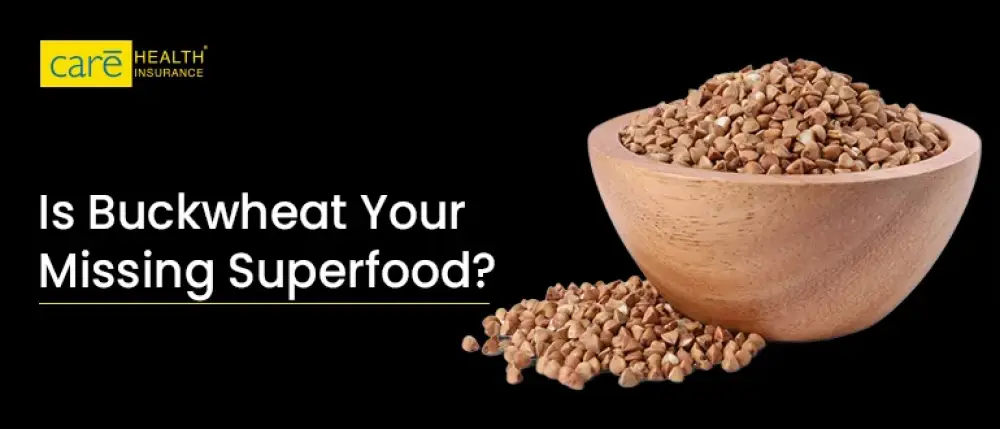
Though often mistaken for a grain, buckwheat is a gluten-free seed belonging to the rhubarb family. This nutrient-dense food is used as a pseudo-cereal, adding a nutty flavour and making it perfect for both sweet and savoury dishes. It’s undoubtedly a healthy substitute for grain-based dishes.
Let’s take a closer look at what makes buckwheat a nutrient powerhouse.
| Category | Nutrient/Compounds | Details |
|---|---|---|
| Buckwheat Calories (per 100g, raw) | 343 kcal | Gluten-free pseudocereal that provides steady energy with a balanced combination of macronutrients. |
| Protein | 13.3g | A full-spectrum protein with lysine and arginine, helping build and repair body tissues. |
| Carbohydrates | 71.5g | Primarily composed of complex carbs that release energy slowly without spikes in blood sugar. |
| Fibre | 10g | Supports healthy digestion, helps prevent constipation, and nourishes beneficial gut bacteria. |
| Fat | 3.4g | Contains minimal fat and is rich in unsaturated fatty acids. |
| Key Minerals | Manganese, Copper, Magnesium, Iron, Phosphorus, Zinc, Selenium | Promotes metabolic efficiency, supports bone and heart health, produces red blood cells, and boosts immune defence. |
| Vitamins | B2, B3, B5, B6, Folate (B9), Vitamin K | Supports energy production, boosts brain performance, and maintains healthy circulation. |
| Antioxidants & Bioactive Compounds | Rutin, Vitexin, Quercetin, D-chiro-inositol | Provides protective nutrients that help defend against inflammation and oxidative stress, while supporting heart and blood sugar health. |
With impressive nutritional information, buckwheat goes beyond being just a tiny seed. Join us to explore how this seed is a real dietary treasure. Keep reading!
8 Hidden Buckwheat Nutrition Benefits
If wellness had a flavour, it would definitely taste like buckwheat. This gluten-free pick checks every box- wholesome, pocket-friendly, and rich in wholesome goodness that sustains the body’s natural vitality from sunrise to sunset. So, let’s find out how this humble flour is a wellness secret.
- Supports Cardiovascular Health: Buckwheat’s intricate blend of magnesium, rutin, and antioxidants makes it one of the seeds that beat for your heart efficiently. Buckwheat’s robust nutrient network eases inflammation, fights free radicals, and keeps blood pressure in check, if consumed with meals at any time of the year.
- Helps Regulate Blood Sugar Levels: Buckwheat’s complex carbs, fibres, and antioxidants help keep your blood sugar steady. It combines science and nature, allowing for a consistent insulin response throughout the day.
- Promotes Digestive Health: With its fibre and prebiotic starch, buckwheat helps support gut health. It's resistant starch helps digestion, and is gentle on the stomach owing to its gluten-free nature.
- Enhances Skin Health: Buckwheat nourishes the skin from within, providing the benefits of rutin that help safeguard against oxidative stress and inflammation. Additionally, B vitamins and minerals aid in regenerating skin cells and promoting skin renewal. Dermatologists often prescribe its oil for its luminous appearance.
- Supports Weight Management: High in fibre and protein, buckwheat supports weight management by promoting fullness while its low glycemic index stabilises blood sugar and tames cravings. These buckwheat nutrients together support a balanced gut and metabolism.
- Improves Bone Strength: Loaded with bone-loving minerals such as manganese, magnesium, and phosphorus, buckwheat helps maintain strong bones and supports muscle health. Antioxidants like rutin offer additional protection for bones, making it a versatile addition to salads, porridge, and wholesome meals.
- Supports Brain Function: Buckwheat nutritional facts reveal that this nutrient-rich seed is rich in flavonoids, B vitamins, and minerals that support brain function. Also, its neuroprotective antioxidants help sustain focus with slow-digesting carbs that promote sharper thinking and mental wellness.
- Promotes Hormonal Balance: From lignans to magnesium, buckwheat's nutrients support stable, optimal hormone activity. Low-GI carbs and fibre support glucose control and gut health, making them an easy gluten-free option for daily meals.
Now that you’ve met the secret side of buckwheat nutrition, don’t just save it for Navratri! Your body deserves its goodness every day of the year. So, are you ready to make it an everyday staple?
Beyond the Festivals- Make It Daily
Gone are the days when kuttu ka aata was just a nine-day spotlight. If millets can rule the modern plate, kuttu ka aata deserves its share of everyday fame. Let’s see how:
| Meal Time | Dish | How to Use Kuttu Ka Aata |
|---|---|---|
| Start with Breakfast | Kuttu Chilla / Pancakes | Mix buckwheat flour with grated veggies, curd, and mild seasoning to make flavour-packed pancakes. |
| Start with Breakfast | Buckwheat Porridge | Roast kuttu in milk (preferably almond milk) with nuts and dates for sweetness, plus a hint of cinnamon for a warm and nourishing breakfast. |
| Make it a Lunch Buddy | Buckwheat Dosa | Soak kuttu and urad dal, grind into a smooth batter, ferment overnight, and cook on a hot griddle for a soft yet crunchy lunch option. |
| Make it a Lunch Buddy | Kuttu Khichdi | Combine buckwheat with moong dal and fresh veggies for a wholesome, comforting khichdi. |
| Smart Snacking | Crunchy Kuttu Crackers | Bake herb-flavoured kuttu crackers made with roasted flour, jaggery, and ghee for healthy energy bites. |
| Dinner Made Light | Kuttu Chapati | Replace regular chapatis with soft kuttu rotis made by mixing the flour with mashed potatoes for a tender texture. |
Such a nutritionally rich seed, kuttu ka aata, is often boxed into festive use. It’s high time to bring it out of the Navratri niche and share the healthy limelight with millets.
Bursting Myths Around Buckwheat
Despite its numerous health benefits, kuttu ka aata is often misunderstood. The whole credit goes to age-old beliefs and several fasting traditions that have clouded its true potential. Let’s dispel some of the most common myths and uncover the genuine goodness deeply rooted in this centuries-old ingredient.
Myth 1: Kuttu Ka aata is only for fasting days
According to buckwheat nutrition, it contains a sufficient amount of fibre, protein, and antioxidants, which support overall digestion. Saving it for festivals means missing full-time nutrition.
Myth 2: Kuttu flour is the same as wheat flour
Buckwheat is not at all related to wheat flour. This gluten-free seed flour contains approximately 400 calories per cup, primarily from buckwheat, which is a healthier alternative to keep you fuller and maintain steady energy levels while supporting a healthy gut.
Myth 3: Kuttu ka aata is hard to digest
While buckwheat can feel heavy for some, it still benefits your health when consumed in moderation.
Myth 4: Kuttu cannot be used for modern recipes
Buckwheat, or kuttu, has been waiting centuries for its comeback in modern recipes. Give it an oven, a blender, or an air fryer, and see it transform from a fast-food plate to a fusion date.
Myth 5: You can’t eat kuttu with salt during non-fasting days
You can absolutely add salt to kuttu dishes during non-fasting days. It’s only during fasting that the restriction on regular salt is in effect.
Myth 6: Kuttu raises blood sugar as it’s a carbohydrate
Although rich in carbohydrates, kuttu’s slow-digesting nature helps maintain balanced blood sugar levels.
Word of Caution Before You Go Overboard with Buckwheat
While kuttu ka aata is praised for its several health benefits and versatility, it’s essential to be mindful of potential risks. The following is a handy checklist to let you stay on the safe side.
- Digestive Issues: Consuming excessive amounts of buckwheat may cause gas, bloating, or stomach upset, particularly if you have a sensitive digestive system or are not accustomed to high-fibre foods.
- Allergies: Buckwheat is often a healthy option for most; however, some individuals may be allergic to it, which can cause severe reactions such as anaphylaxis, which is usually considered life-threatening.
- Contamination and Adulteration: Poorly stored or adulterated buckwheat flour can cause illness. So, it’s essential to handle and store kuttu ka atta carefully, especially during festivals, to prevent any health risks.
- Interference with Medication: While one of the key advantages of buckwheat is its health benefits, individuals taking blood-thinning medication or those with diabetes should monitor their intake of kuttu ka atta to avoid any unintended impact on blood sugar or medication.
- Cross-Reactivity: Although buckwheat is gluten-free, it can still trigger allergies in some individuals because its proteins share similarities with those found in nuts. Even tiny amounts or accidental mixing with other ingredients can trigger severe reactions, so staying careful is the safest choice if you’re sensitive.
For most, it’s nourishing, but for some, it can still surprise your system.
Health First, Buckwheat Next- With Care OPD
Buckwheat undoubtedly gives your gluten-free goodness in every bite. But there’s the not-so-nice side, which requires you to know your body’s response before incorporating buckwheat into your daily diet. With the Care OPD add-on benefit in your individual health insurance policy, you can access physical consultations with specialised doctors. The panel includes expert dieticians who can guide you on making the best, yet safest, use of your favourite kuttu ka atta, because it deserves more than just occasional appearances.
Disclaimers: The above information is for reference purposes only. Kindly consult your general physician for verified medical advice. The health insurance benefits are subject to policy terms and conditions. Refer to your policy documents for more information.