Loading article content...
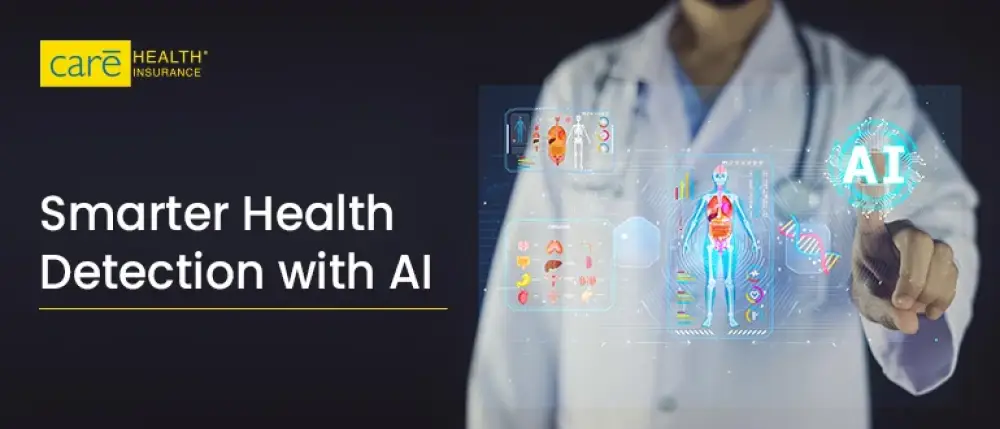
Healthcare has traditionally relied on symptoms, medical examinations, screening and diagnostic tests to identify illnesses. These remain essential, but artificial intelligence (AI) is increasingly being explored as an additional tool to help healthcare professionals analyse large amounts of information and identify patterns that may require attention.
From medical images to electronic health records and wearable devices, AI in Healthcare could make risk identification faster and more personalised.
However, AI doesn't replace a doctor's diagnosis. Its role is primarily to support healthcare professionals in making informed decisions.
What Is Early Disease Prediction?
Early Disease Prediction refers to identifying patterns and risk factors that may indicate an increased likelihood of developing a disease or suggest that further investigation is needed. AI systems can analyse different types of health information, including:
Medical history. Blood test results. Medical images. Vital signs. Electronic health records. Family history. Data from compatible health devices.
By examining patterns across these data points, AI may flag potential risks that deserve further medical assessment. Think of it as an additional pair of analytical eyes, not the final diagnosis.
How Can AI Help Identify Illness Earlier?
AI can process large datasets quickly and recognise patterns that may be difficult to identify manually. Some of its most promising applications include:
1. Analysing Medical Images
AI-based tools can assist doctors in examining X-rays, CT scans, MRIs, retinal images and other medical scans. For example, an appropriately validated algorithm may highlight suspicious areas on an image for a radiologist to review more closely. AI doesn't replace the radiologist here. Instead, it can provide additional decision support.
2. Studying Electronic Health Records
A person's medical history can contain years of test results, prescriptions, diagnoses and clinical information. AI tools may analyse this information to identify trends associated with particular health risks. Changes in blood pressure, blood glucose or cholesterol, for instance, could help healthcare professionals decide whether further screening is appropriate.
3. Monitoring Health Through Wearables
Smartwatches and other health devices can collect information about heart rate, physical activity and sleep. Some appropriately validated technologies can identify unusual patterns and prompt users to seek further assessment.
However, an alert from a wearable device isn't the same as a medical diagnosis. Unusual findings should be evaluated by a qualified healthcare professional.
Can AI Help Identify Lifestyle-Related Health Risks?
Conditions such as type 2 diabetes, hypertension and cardiovascular disease can develop gradually. Factors such as raised blood pressure, elevated blood glucose, abnormal blood lipids and overweight or obesity are important metabolic risk factors for noncommunicable diseases. This is where technology could potentially support preventive healthcare.
AI systems may analyse trends involving:
- Blood pressure
- Blood glucose
- Weight
- Physical activity
- Sleep
- Heart rate
- Other relevant health indicators
For people at risk of Lifestyle Conditions, detecting concerning patterns earlier may encourage timely medical screening and appropriate lifestyle interventions. AI cannot simply predict with certainty that someone will develop diabetes or heart disease. It can, however, help identify risk patterns that healthcare professionals can investigate further.
Why Is Early Detection Important?
Many chronic illnesses can progress without obvious symptoms during their early stages.
- Regular screening can identify warning signs before complications develop.
- Early detection, screening and treatment are important components of managing noncommunicable diseases such as cardiovascular diseases, cancer, chronic respiratory diseases and diabetes.
- Early Disease Prediction supported by AI could potentially strengthen this process by helping clinicians identify which patients require closer monitoring or additional testing.
- Early identification may allow appropriate lifestyle changes, medical monitoring or treatment to begin sooner when clinically necessary.
How Can AI Support Indian Healthcare?
India faces the challenge of providing healthcare to a large and diverse population while managing a significant burden of chronic disease. Within Indian Healthcare, AI-supported technologies could potentially assist with:
- Medical image analysis.
- Clinical decision support.
- Health-risk assessment.
- Remote health monitoring.
- Screening support.
- Identifying patients requiring further evaluation.
This could be particularly useful when healthcare professionals need to analyse large amounts of information. However, an AI system is only as useful as the evidence supporting it. Tools should be appropriately tested and validated for the populations in which they're used.
Can AI Make Preventive Healthcare More Personalised?
Preventive care is another area where technology could make a difference. Digital Wellness Programs, health apps and connected devices can help people monitor everyday health indicators and maintain preventive habits. Depending on their capabilities, such tools may help users:
- Track physical activity.
- Monitor sleep.
- Record health measurements.
- Follow wellness goals.
- Receive health-check reminders.
- Notice changes that warrant medical attention.
AI may make these systems more personalised by identifying patterns in individual health data rather than providing exactly the same recommendations to everyone. However, digital wellness tools should complement, not replace, regular check-ups and professional medical advice.
Can AI Make Mistakes in Disease Prediction?
AI’s performance depends heavily on the quality and representativeness of the data used to develop and validate it. Potential problems include:
- False positives: The system identifies a risk that isn't actually present.
- False negatives: An existing health concern isn't detected.
- Bias: Inadequate representation of certain populations can affect performance.
- Data privacy: Health information is highly sensitive and needs appropriate protection.
- Over-reliance: Treating an AI prediction as a confirmed diagnosis could result in inappropriate decisions.
How Do Preventive Care and Health Insurance Fit Together?
Preventive health check-ups can help monitor indicators such as blood glucose, cholesterol and blood pressure and may identify concerns requiring further evaluation. Health insurance provides another layer of preparedness by helping manage eligible healthcare expenses when treatment is required.
Health insurance policies offer preventive health check-up benefits under various health insurance plans, subject to the particular product's terms and conditions. When selecting a plan, consider preventive benefits alongside the sum insured, waiting periods, exclusions and other coverage conditions.
AI and preventive healthcare can help people understand health risks earlier, while suitable health insurance can provide financial protection against eligible medical expenses if treatment becomes necessary.
What Does the Future of AI-Based Disease Detection Look Like?
The future of AI isn't necessarily a machine replacing your doctor. A more realistic scenario is AI working alongside healthcare professionals, analysing information, identifying patterns and helping clinicians prioritise cases that need attention.
As technology advances, Early Disease Prediction may become increasingly personalised by combining clinical information with other relevant health data. But progress needs to be accompanied by clinical evidence, privacy safeguards, transparency and professional oversight.
>> Read More: AI at Work: Expect Smarter Insurance Performance in 2026
Final Thoughts
The real potential of AI in early disease detection lies in helping healthcare professionals notice important health signals sooner. By analysing medical images, health records and other appropriate data, AI can support screening, risk assessment and clinical decision-making. This may be especially useful for chronic and Lifestyle Conditions that can develop gradually.
But an AI alert isn't a diagnosis. Regular health check-ups, validated screening, qualified medical advice and appropriate treatment remain essential. AI can make healthcare smarter, but human expertise remains at the centre of responsible medical care.
Disclaimer: All plan features, benefits, coverage, and claims underwriting are subject to policy terms and conditions. Kindly refer to the brochure, sales prospectus, and policy documents carefully.
