
Loading article content...
A mere blip in the heartline can become stressful. While chronic diseases are on the rise, even minor heart-related complications should not be ignored. One such condition – heart palpitations – is increasing among people, especially youngsters and middle-aged people. It’s common to wonder, “Why does my heart keep fluttering?”. For most people, palpitations are usually harmless, but at times they can be a sign of more serious heart concerns.
Understanding the reasons for palpitations, their common causes, symptoms, and potential remedies can help you maintain a healthier heart. The causes of heart palpitations vary from daily habits like high caffeine intake to specific psychological changes; multiple triggers often cause heart palpitations.
In this article, we break down key information related to heart palpitations and remedies to strengthen your heart health.
What is Heart Palpitation?
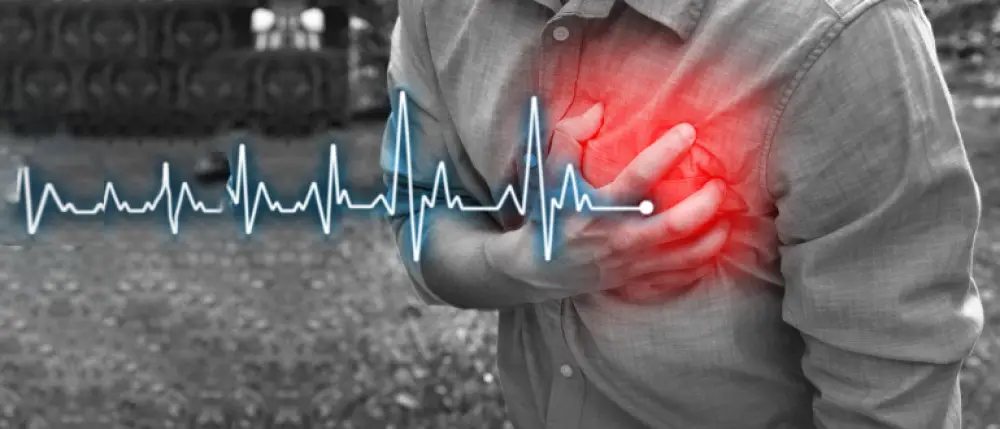
Heart Palpitation refers to an unusual heartbeat or rhythm. In this health condition, you may feel like your heart is beating fast, skipping a beat, or fluttering in your chest.
Contrary to belief, heart palpitations can happen to anyone, at any time – whether at rest or in movement. Even healthy individuals can experience heart palpitations due to certain lifestyle choices or medications.
Although heart palpitations may seem minor, they can sometimes reveal hidden conditions. Recognising what causes them is essential for heart safety.
Symptoms of Heart Palpitation
Can palpitations kill me?
Well, it is one of the common concerns that can make you anxious. However, before you panic, you must first identify the symptoms and determine when they require immediate medical attention.
- Skipped or extra beats: The feeling of missed or extra heartbeats that leads to a quick pause, causing a stronger beat.
- Dizziness or lightheadedness: Feeling faint or dizzy may sometimes accompany heart palpitations.
- Increased heart rate: A sudden increase in your usual heart rate, which you can notice during any physical activity or even while resting.
- Shortness of breath: Feeling breathless or having difficulty catching your breath while experiencing palpitations.
- Anxiety: Palpitations can sometimes trigger feelings of anxiety or panic in some individuals.
- Chest discomfort: Mild discomfort or pressure in the chest area may occur.
- Fatigue: A usual feeling of tiredness or exhaustion during or after an attack of palpitations.
- Sweating: Gushing and sweating may be experienced during heart palpitations.
- Weakness: A sense of weakness or feeling physically weak, and an inability to do daily chores.
Have you noticed any of these signs frequently? It’s time to seek medical advice to prevent complications and ensure peace of mind.
5 Causes of Palpitations in the Heart
More often, the reason for palpitations can usually be traced back to daily lifestyle choices. The following are the primary factors:
- Excessive smoking and alcohol consumption: Avid smokers and drinkers may experience heart palpitations more frequently than non-smokers and teetotallers.
- Frequent consumption of caffeine: Have you ever experienced heart fluttering after consuming coffee? Beverages like tea, coffee, and sugary drinks,if consumed daily, can cause irregular heartbeats in some sensitive individuals.
- Higher stress and anxiety levels: Tension and mental stress can trigger a flip-flopping feeling in the heart while also increasing the heart rate abnormally.
- Pregnancy, periods, or menopause: Given the increased amount of blood circulation and strain during pregnancy, it is common for women to feel a racing heart. Similarly, hormonal changes during menstruation and menopause can trigger heart palpitations.
- Strenuous exercise: Rigorous exercise and pushing your body’s physical limitations in the gym can make your heart pound abnormally.
>> Read More: Facts About Maternity Health Insurance in India You Cannot Ignore
Hence, if you persistently ask yourself, “can heart palpitations kill me?”- the good news is, in most cases, they are often harmless. Certain medications and stimulants can also be a reason behind abnormal heartbeats and palpitations. However, if you experience it frequently, an early consultation can make all the difference.
Remedies: How to Stop Heart Palpitations?
Given that lifestyle factors are among the leading causes of heart palpitations, making a few mindful adjustments can actively support your heart wellness. The following are a few ways to stop heart palpitations naturally and manage your heart’s rhythm.
Quit Smoking and Drug Abuse
Tobacco and drugs are key contributors to heart palpitations and irregular heartbeats. Eliminating tobacco and drug intake will not only stabilise regular heartbeats but also improve your overall health. Studies prove that the life expectancy of smokers is almost 10 years shorter than that of non-smokers. Therefore, if you wish to live a long life with a healthy heart, cutting back on tobacco is a good place to start.
Cut Down on Alcohol and Caffeine
Caffeine and alcohol can provoke heart palpitations and uneven heartbeats. Reducing your alcohol and caffeine intake can ultimately lead to a healthier heart in the long run. Experts recommend limiting alcohol intake to one modest serving of 15-30 ml each day. Moderate alcohol consumption may raise good cholesterol levels in some cases.
Avoid Stressful Living
Emotional stress, anxiety, and fatigue can cause your heartbeat to feel fluttering, pounding, or beating irregularly. When stress hormones rise, they may trigger a rapid or uneven heartbeat. When palpitations stem from anxiety, practising relaxation therapies can help. Additionally, it is advisable to avoid stressors and consider counselling if the situation doesn’t improve.
>> Read More: 8 Unexpected Mental Health Benefits of Nature You Must Know
Try Breathing Exercises and Yoga
Establishing a physically active routine is always beneficial for the body. Studies suggest that exercising for at least 150 minutes per week can significantly reduce the risk of chronic diseases. However, for those prone to palpitations or heart fluttering, gentle activities such as deep breathing, yoga or meditation can help stabilise your heartbeat \Always consult a cardiologist before taking up any physically demanding exercise.
Say No to Processed and High-Cholesterol Foods
The more balanced your diet is, the healthier your heart becomes. If you experience heart palpitations, you should consume a diet loaded with fresh fruits, fibrous vegetables, and lean proteins. On the other hand, high-carbohydrate foods such as bread, milk, soft drinks, and other energy drinks are best avoided if you experience heart palpitations.
When to Worry About Heart Palpitations?
Although heart palpitations are harmless in most cases, you should consult a physician if:
- Dizziness or fainting
- Shortness of breath
- Pounding heartbeats lasting several minutes
Ignoring such symptoms may raise health risks. So a timely diagnosis is always wiser.
>> Read More: The Signs of Heart Attack and How to Manage it?
Tests to Diagnose Heart Palpitations
It is essential to identify the exact factor that causes health palpitations to treat the issue effectively. Someone with a health history needed to be extra careful. To identify what causes heart fluttering, your cardiologist may suggest the following tests:
- Urine Test
- Blood Test
- Stress Test
- ECG or Echocardiogram
- Cardiac catheterization
- Electrophysiology study
- A Holter monitor to record the heart’s activity
The tests above will help detect underlying issues and initiate the right treatments at an earlier stage.
Diagnosing Heart Palpitation Early with Care Heart Health Insurance
Even if your palpitations seem harmless, frequent heart palpitations can be a matter of concern that you must diagnose in time. Some cases may require advanced treatment or hospitalisation. With Care Health Insurance, you can access a dedicated heart mediclaim policy that gives you coverage for:
- Pre- and post-hospitalisation expenses
- Ambulance and in-patient care
- Day-care treatments
- Dialysis and global coverage
- Annual Health Check-ups
- No-Claim Bonus Benefits
Take a proactive step with a reliable health insurance policy to keep your heart young and healthy because taking action now paves the way for lasting wellness.
So, keep your heart young and healthy to enjoy life stress-free with Care Health Insurance.
Disclaimer: The above information is for reference only. Kindly consult your physician for a detailed diagnosis. Also, verify the policy benefits with the official prospectus.