
Loading article content...
Known for its cherry blossom festivals, cutting-edge technology, and deeply rooted traditions, Japan also holds a remarkable treasure of wildlife experiences. Beyond its vibrant cities lies a world of pristine forests, volcanic peaks, coastal landscapes, and serene lakes waiting to be explored. The country’s diverse national parks offer countless opportunities to encounter native wildlife and immerse yourself in nature.
For every wildlife enthusiast, Japan promises unforgettable moments that truly nourish the adventurous soul. Here are some of the top national parks in Japan, attracting visitors from around the world.
Top 8 National Parks in Japan for Wildlife Encounters
Although there are countless places to witness wildlife encounters in Japan, here is a list of the most popular national parks where you can plan your visit:
Fuji Hakone Izu National Park
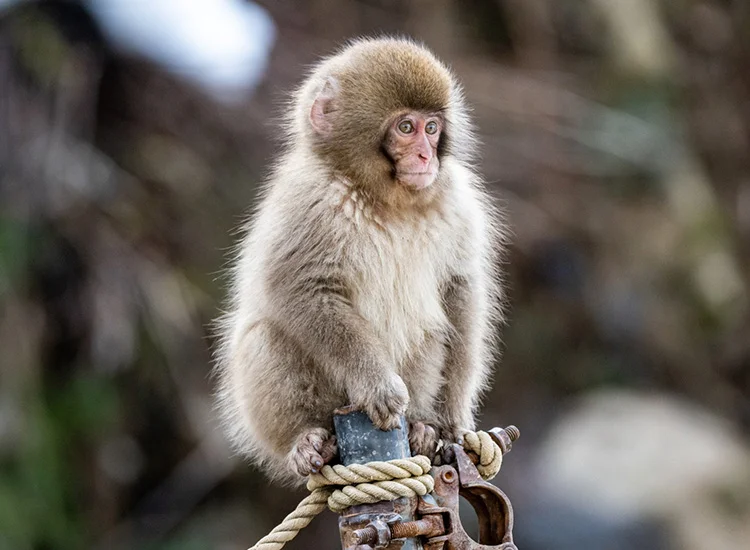
Looking for a wildlife experience packed along with coastal scenery? Fuji Hakone Izu National Park is one of the top national parks in Japan. Home to the iconic Mount Fuji, the area offers diverse volcanic landscapes and renowned hot springs (Onsen). Here, you can enjoy wildlife sightings of Japanese serow, Sika deer, Japanese macaque, wild boar and Asiatic black bears.
- Opening hours: 9 Am to 5 Pm (last entry at 4:30 Pm)
- Entry fee: Free (activities are chargeable)
- Best time to visit: Winter season (December to February)
- Nearby attractions: Volcanic valley of Owakudani, and the Hakone Open-Air Museum
- Bonus tip: You can use the Hakone Ropeway to reach the volcanic Owakudani Valley and awe at breathtaking views.
Daisetsuzan National Park
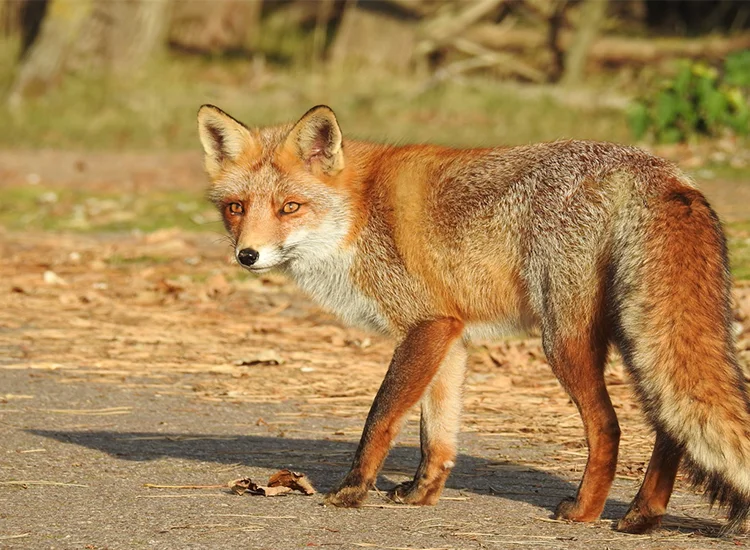
Renowned as the largest national park of Japan, with over 2,268 Km², Daisetsuzan National Park is home to various active volcanic peaks. It is one of the most visited and top national parks in Japan. The place is also known for the earliest autumn leaves in Japan, attracting nature lovers and hiking enthusiasts from all walks of life. Those who want to experience unspoiled wilderness and dramatic natural scenery are welcome here. Daisetsuzan National Park offers a thrilling experience, as here you can spot alpine flora and fauna, including red foxes, Ezo sika deer and brown bears.
- Opening hours: 8:30 AM to 5:15 PM
- Entry fee: Free
- Best time to visit: Mid-September to early October for autumn foliage
- Nearby attractions: Mount Kurodake Ropeway, Sounkyo Gorge & Onsen, Asahikawa City
- Bonus tip: Pack warm layers and sturdy hiking shoes as the weather can change quickly in Japan’s largest wilderness park.
Nikko National Park
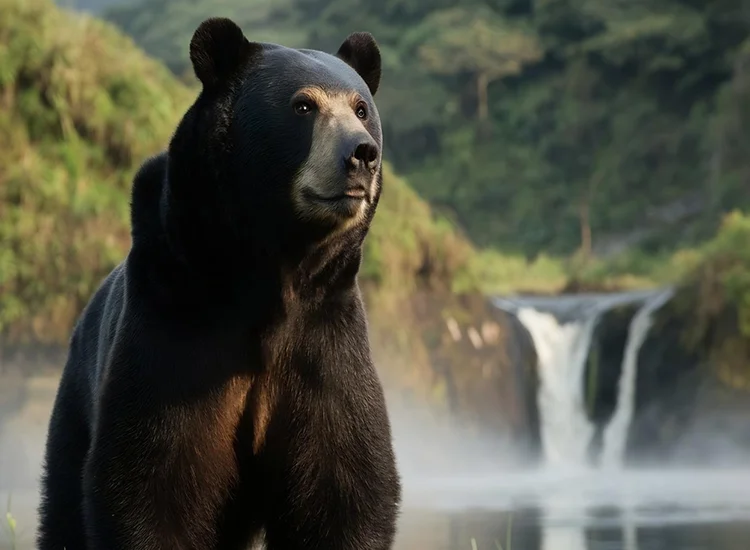
Home to the blissful Toshogu Shrine, Japan Nikko National Park flaunts its dramatic natural scenery. Here, you can enjoy close encounters with Japanese serow, Sika deer, Asian black bear, and Japanese macaque, as well as amaze your eyes and senses at Kegon Falls. The major attractions of Nikko National Park include hot springs, scenic Lake Chuzenji and Toshogu Shrine. Counted among the top national parks in Japan, Nikko National Park is must to visit for wildlife lovers.
- Opening hours: 9 AM to 4:30 PM
- Entry fee: Free
- Best time to visit: Mid-October to early November
- Nearby attractions: Yudaki Falls, Ryuzu Falls, Rinno-ji Temple, Futarasan Shrine
- Bonus tip: Visit Nikko early for quieter trails, stunning scenery, and better chances of spotting wildlife like deer and monkeys. For hikers and adventure lovers, Care Health Insurance’s Adventure activities insurance offers added protection during outdoor experiences.
Shiretoko National Park
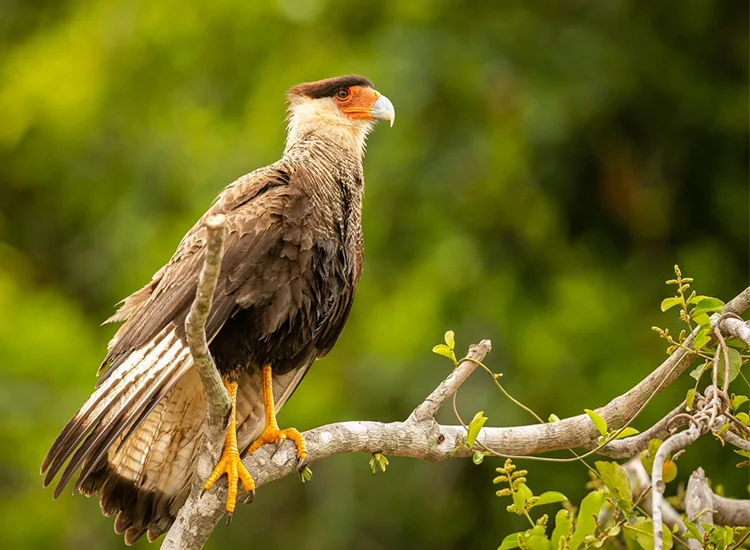
Shiretoko National Park in Hokkaido features a unique ecosystem and abundant wildlife and is known for its rugged scenery and hot spring waterfalls. This thrilling national park is a prime habitat for various species of brown bears, killer whales (orcas), sperm whales, Steller's sea eagles, white-tailed eagles, and the rare Blakiston's fish owl. In winter, the Sea of Okhotsk freezes and pushes ice onto the coast, drawing tourists and supporting the local marine ecosystem.
- Opening hours: 7:30 AM to 6:00 PM
- Entry fee: Free
- Best time to visit: July to September
- Nearby attractions: Shiretoko Goko Lakes, Kamuiwakka Hot Waterfall, and Oshinkoshin Falls
- Bonus tip: The park has many brown bears, so check with the Nature Centre or park guides for the safest current trails.
Akan National Park
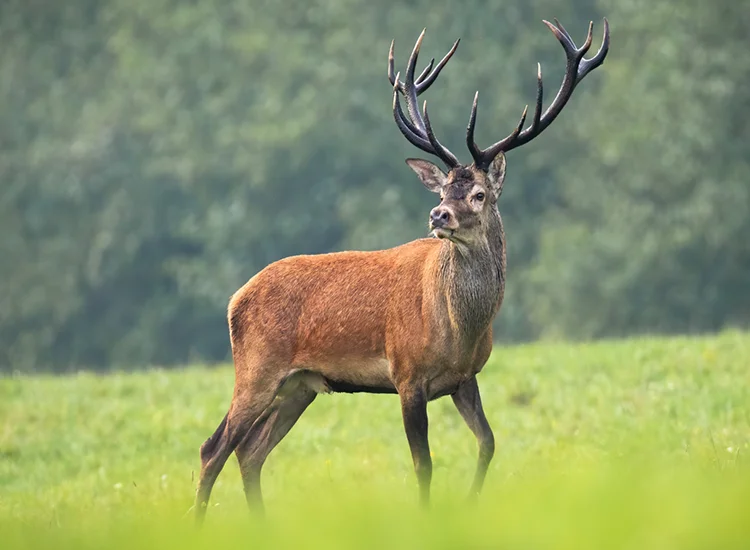
Showcasing a breathtaking landscape of volcanic mountains, pristine lakes, and ancient forests, Akan National Park, Japan is one of Hokkaido’s most scenic natural treasures. This captivating park is renowned for its tranquil caldera lakes, Lake Akan, Lake Kussharo, and Lake Mashu, as well as its steaming hot springs and dramatic geothermal scenery. Akan National Park is also known for its rare marimo moss balls, a unique natural phenomenon found in only a few places worldwide.
Home to abundant wildlife, the park provides vital habitat for species such as brown bears, red foxes, and deer, as well as a wide variety of birdlife, including cranes and owls.
- Opening hours: 6:00 AM to 11:00 AM morning and 3:00 PM to 7:00 PM evening
- Entry fee: Free
- Best time to visit: For hiking in the summer season and to witness frost flowers in the winter season
- Nearby attractions: Volcanic shores of Lake Akan, Lake Mashu, and Lake Kussharo
- Bonus tip: Hiking trails on Mt. Meakan and Mt. Akan-fuji offer sweeping panoramic views of the park.
Tokyo Shinjuku Gyoen National Garden
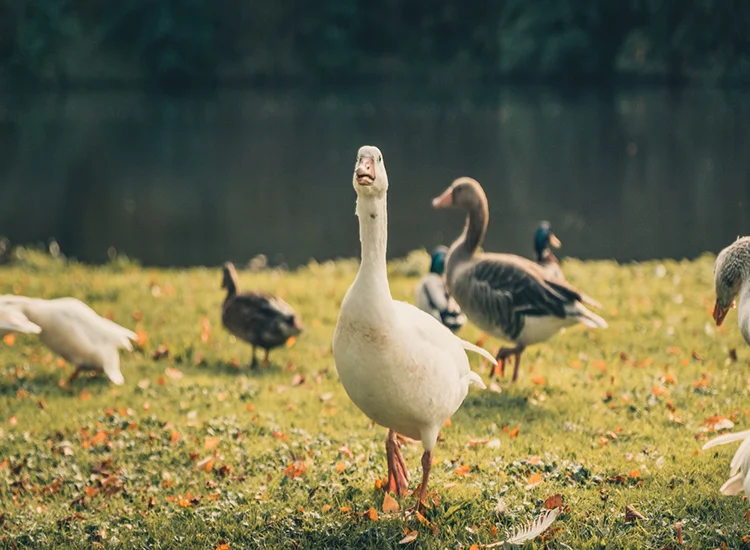
Tokyo Shinjuku Gyoen National Garden is famous for its beautiful blend of Japanese, English, and French garden landscapes set in the heart of the city. It is especially popular during cherry blossom season, when hundreds of sakura trees bloom in soft shades of pink. The garden is also known for its peaceful lawns, traditional teahouse, and seasonal flowers. Visitors can spot wildlife such as ducks, herons, turtles, koi fish, butterflies, and a variety of small birds throughout the year.
- Opening hours: 9:00 AM to 6:30 PM
- Entry fee: 500 yen for adults, 250 yen for students and seniors (65+), and is free for children 15 and under
- Best time to visit: Spring and Autumn seasons
- Nearby attractions: Omoide Yokocho and the tiny bars of Golden Gai
- Bonus tip: You can reach the garden from Shinjuku-gyoemmae Station (Marunouchi Line) or walk 10–15 minutes from the east exit of Shinjuku Station.
Setonaikai National Park
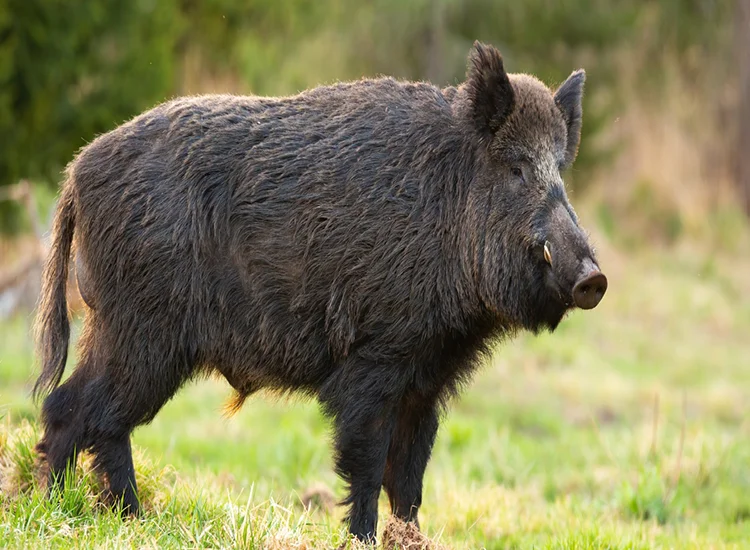
Setonaikai National Park is famous for its stunning coastal scenery, dotted with hundreds of small islands across the Seto Inland Sea. Known for its calm waters, scenic bridges, and beautiful sunsets, the park offers a peaceful escape and is popular for cruising, hiking, and seaside views. Visitors can enjoy rich marine life and spot wildlife such as seabirds, herons, dolphins, and various fish species. The park’s blend of nature and culture makes it truly special.
- Opening hours: 9:00 AM to 5:00 PM
- Entry fee: Free
- Best time to visit: Spring (late March to early April) for cherry blossoms and autumn (October to November)
- Nearby attractions: Naoshima, Naruto Whirlpools, Miyajima (Itsukushima Shrine)
- Bonus tip: Mount Sekizensan in the west is ideal for enjoying spring blooms.
Chichibu-Tama-Kai National Park
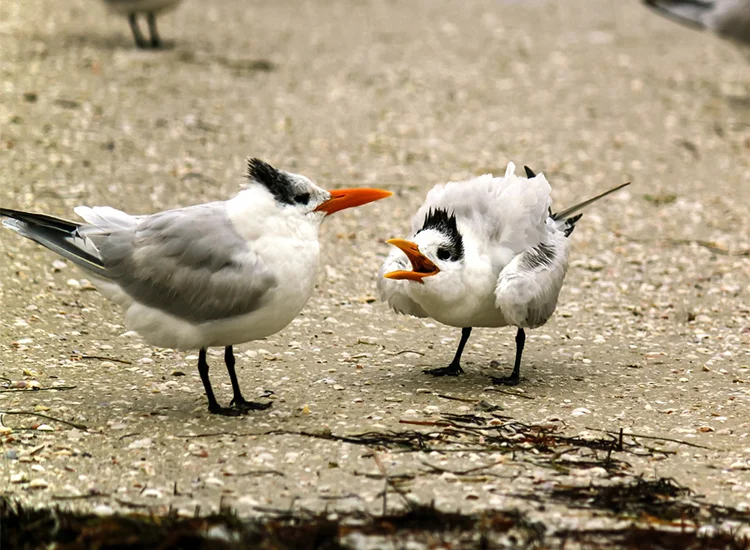
Known for its deep valleys and dense forests, Chichibu-Tama-Kai National Park offers a peaceful wildlife escape near Tokyo. The park is home to animals such as Japanese serow, wild boar, and deer. Its rivers and woodlands also support many bird species, including kingfishers and owls. The untouched scenery offers excellent opportunities to spot wildlife in its natural habitat.
- Opening hours: 9:00 AM to 5:00 PM
- Entry fee: Free
- Best time to visit: Autumn and Spring
- Nearby attractions: Mitsumine Shrine, Nagatoro Iwadatami Rocks, and Shosenkyo Gorge
- Bonus tip: Hiking enthusiasts can explore the many trails that wind around iconic peaks like Mt. Kinpu and Mt. Kumotori.
Travel Smart: Protect Your Japan Trip with Insurance
Japan’s national parks offer an extraordinary way to experience the country beyond its cities, showcasing breathtaking landscapes, rich biodiversity, and unforgettable outdoor adventures. From the rugged cliffs and sea ice of Shiretoko to the tranquil caldera lakes of Akan and the iconic scenery surrounding Mount Fuji, each park reveals a different side of Japan’s natural beauty.
As you plan your journey thr ough these stunning national treasures, it is equally important to travel prepared. Care Health Insurance’s Japan Travel Insurance ensures you can explore with complete peace of mind. With comprehensive coverage for medical emergencies, trip delays, lost baggage, and unexpected disruptions, Care helps safeguard your trip at every step. So, immerse yourself in Japan’s wild beauty, create unforgettable memories, and let Care Health Insurance take care of your safety while you enjoy the adventure.
>> Also Read: Japan Travel Tips for First-Time Travellers
Disclaimer: Plan features, benefits, coverage, and claims underwriting are subject to policy terms and conditions. Kindly refer to the brochure, sales prospectus, and policy documents carefully.
