
Subscribe to get weekly insights
Always stay up to date with our newest articles sent direct to your inbox
Published on 29 Jul, 2026
favorite0Like
favoriteBe the First to Like
69 Views
3 min Read
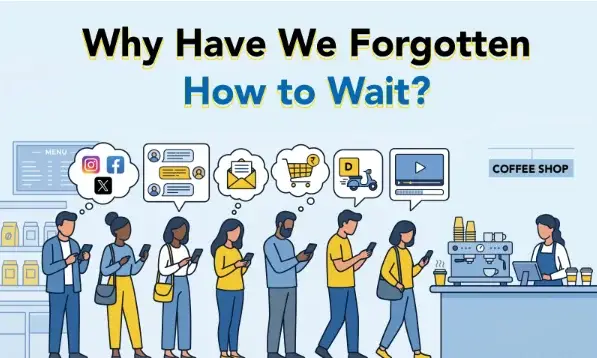
Think back to the last time you were standing in line at a coffee shop or waiting for a slow elevator. What did you do?
If you’re like 99% of the population, you didn’t just stand there. You pulled out your phone. You checked a notification, refreshed an email, or scrolled through a feed (or even looked to see if you could get that chore done online)!
Unfortunately, we’ve reached a point where even thirty seconds of ‘unutilized’ time feels unbearable. To put it in simpler language–We haven’t just lost our patience; we’ve actually forgotten how to wait.
____________________________________________________________________________
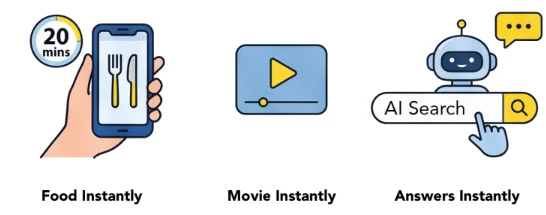
We live in an era which offers convenience like never before. If we’re hungry, our favourite food can be delivered to our home in record time. If we want to a watch a movie, we can stream it instantly; no more driving to the video store only to find the ‘New Releases’ shelf empty. If we have a question, Google (or AI) gives us the answer before we’ve even finished typing.
On the surface, this is great. Efficiency is a win, right? But beneath the surface, our brains are paying a steep ‘impatience tax’.
Because we rarely have to wait for anything, our ‘boredom threshold’ has plummeted. We’ve become a generation that treats a three-second lag in a website's loading like a major technical catastrophe. We are getting more impatient day by day because the world around us has been engineered to remove every tiny bit of friction.
____________________________________________________________________________
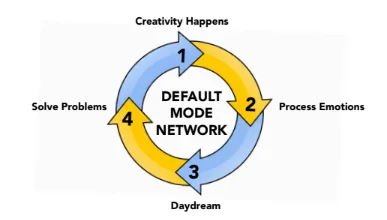
Waiting isn't just wasted time; it’s a vital mental process. When we wait—without reaching for a screen, our brains switch into something called the Default Mode Network. This is where creativity happens. It’s where we process our emotions, daydream, and solve problems we didn’t even know we were working on sub-consciously.
By filling every gap with instant gratification, we are essentially ‘starving’ our brains of the quiet space it needs to function at a deeper level.
The result? A generation that feels constantly ‘on’, yet strangely uninspired. We’re busy, but we’re shallow. We’re fast, but we’re frazzled.
____________________________________________________________________________
If you feel like your attention span is shrinking to the size of a goldfish’s, you aren't alone. But you can train your ‘waiting muscle’ again. It’s like physical therapy for your focus.
Of course, there are some things worth waiting for, like the perfect sunset or a home-cooked meal. But there are other ‘waits’ that nobody wants to deal with: waiting in a hospital lobby, waiting for medical test results, or waiting for your health insurance to cover treatment for your existing health conditions.
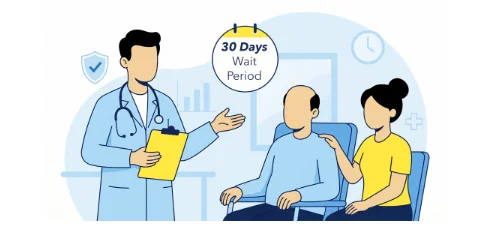
There are times when ‘instant’ is better, any way you look at it. For example, while waiting for your health cover to kick in, sooner is always better. To ensure that your pre-existing diseases (PEDs) are covered without delay, health insurance plans from Care Health Insurance have introduced an optional benefit called Instant cover. Under this benefit, specified PEDs are covered after an initial wait period of just 30 days.
____________________________________________________________________________

The next time you find yourself waiting; don't view it as a void to be filled. View it as a moment of reclaimed freedom.
In a world that demands everything ‘now’, the ability to wait is actually a superpower. It’s a sign that you are in control of your time, rather than your notifications being in control of you.
favoriteBe the First to Like
