Subscribe to get weekly insights
Always stay up to date with our newest articles sent direct to your inbox
Published on 27 Apr, 2026
favorite2Likes
179 Views
3 min Read
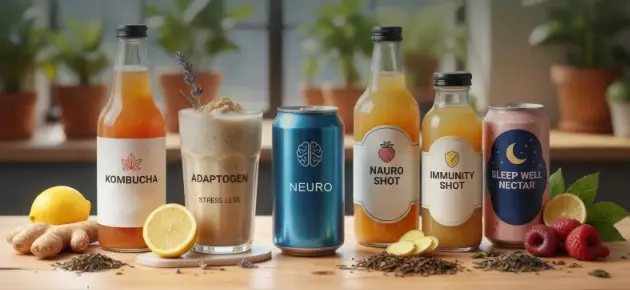
Not too long ago, choosing a drink was simple. Water for health, juice for something sweet and nutritious, coffee to get through the day, and soft drinks for taste. Fast forward to today, and suddenly your beverage aisle looks like a wellness retreat.
Kombucha claims to promote gut health, drinks infused with adaptogens promise to help you “handle stress”, and nootropic beverages swear they’ll sharpen your focus without any interruption. These are not just drinks anymore, they’re functional beverages. And they’re everywhere.
So what’s driving this rise? And do these drinks actually do what they say on the label? Let’s break down.
____________________________________________________________________________
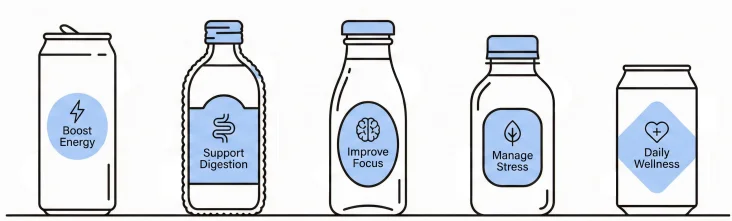
In simple terms, functional beverages are drinks that offer benefits beyond basic hydration or nutrition. They’re designed to do something for your body or mind as they support digestion, boost energy, improve focus, help manage stress, or promote overall wellness.
Think of them as the middle ground between food and supplements. Easier than swallowing pills. More exciting than plain water. And way more aligned with modern, on-the-go lifestyles.
____________________________________________________________________________
If functional beverages had a poster child, Kombucha would be it. This fermented tea, slightly fizzy and often a little funky, has been around for centuries. But over the past decade, it’s gone from niche health stores to mainstream supermarkets, and even cafes.
But why the hype? It contains probiotics. Kombucha is rich in live cultures that support gut health, widely recognised as a foundation for overall wellness. A healthy gut is linked to better digestion, improved immunity, and even mood regulation.
What also helped kombucha take off was its personality. It doesn't pretend to be a soft drink, but it scratches that same itch with bubbles, tang, and creative flavours like ginger-lemon, hibiscus, or berry blends.
For many people, it has become an “I want something interesting, but I don't want soda” drink. And that’s an influential position to hold.
____________________________________________________________________________

Adaptogens are herbs and plants that help the body cope with stress. It does not eliminate stress, but supports the body’s ability to handle it more effectively. It includes ingredients such as ashwagandha, holy basil, and reishi mushrooms. This may sound scientific and intimidating, but the idea is pretty simple.
You’ll often find adaptogens in teas, lattes, sparkling drinks, and even coffee alternatives. Adaptogenic drinks are especially popular among people who feel permanently “ on,” balancing work, family, screens, notifications, and the general chaos of modern life. These beverages promise calm energy, balance, and resilience, rather than a quick spike and crash.
They’re marketed less as a miracle cure and more as a daily ritual, something you sip consistently to support your long-term well-being. Taking a moment to slow down and drink something intentionally already helps. The adaptogens are just a bonus.
____________________________________________________________________________
Nootropic beverages are designed to enhance cognitive performance, focus, memory, clarity, and mental stamina. They’re especially popular among professionals, students, and anyone who wants to stay sharp without overloading on caffeine.
Common nootropic ingredients include L-theanine (often paired with caffeine), lion’s mane mushrooms (linked to brain health), B vitamins, and amino acids. What sets nootropic dinks apart is their promise of clean energy. Instead of causing the heart to race and crash, and including the effects of energy drinks, these aim for sustained focus and mental clarity.
For a generation that’s increasingly aware of burnout, anxiety, and sleep issues, nootropics are very appealing drinks.
____________________________________________________________________________
Everyone is talking about functional beverages, but for what? For the obvious reasons listed below:
People don’t just want to treat problems, they want to prevent them. Functional drinks fit neatly into that mind-set.
Not everyone wants to plan meals around wellness. A drink you can grab and go feels achievable.
Energy? Gut health? Stress-control? Focus-enhancer?… people want solutions tailored to their needs. Functional beverages let consumers choose what they want to support.
Many people are cutting back on alcohol and sugary drinks. Functional beverages offer an intentional, “grown-up,” alternative.
We provide more such insights every month. Stay tuned to receive insightful articles directly in your mailbox!
Till then, wishing you a healthy day and hoping you share this article with your loved ones.