
Subscribe to get weekly insights
Always stay up to date with our newest articles sent direct to your inbox
Published on 18 Sep, 2026
favorite0Like
favoriteBe the First to Like
13 Views
3 min Read

For years, health insurance was viewed primarily as a financial safety net, something people relied on only during hospitalisation or medical emergencies. The relationship between insurers and customers was largely transactional: policyholders paid premiums, and insurers covered medical expenses when needed.
However, this perception is changing rapidly. Today, health insurance is becoming more than just financial protection. Insurers are encouraging healthier lifestyles and preventive healthcare habits among customers. In many ways, health insurance is now influencing behaviour, how people walk, exercise, monitor fitness, and approach their well-being.
____________________________________________________________________________
India is witnessing a sharp rise in lifestyle-related diseases such as diabetes, obesity, hypertension, and cardiovascular conditions.
According to the International Diabetes Federation (IDF), India continues to have one of the world’s world’s largest diabetic populations.
Sedentary lifestyles, work stress, unhealthy eating habits, and lack of physical activity are contributing heavily to these health concerns. At the same time, healthcare expenses are steadily increasing, making preventive care more important than ever.
For insurers, this creates a major challenge. Rising lifestyle diseases often lead to:
As a result, insurers are beginning to focus not just on covering illnesses but also on encouraging healthier behaviour that may reduce future health risks.
____________________________________________________________________________
To support preventive healthcare, insurers are introducing wellness-linked benefits within their health insurance plans. These programs reward customers for maintaining healthy habits and staying physically active. Instead of engaging with insurance only during claims or renewals, customers now interact regularly:
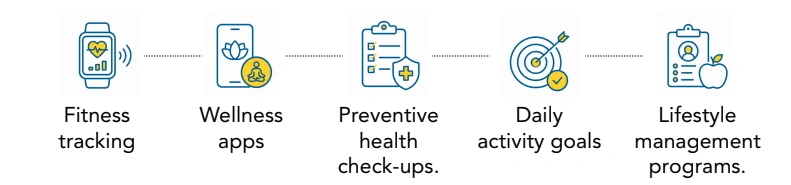
This has transformed health insurance into a more interactive and engagement-driven experience for customers. The idea behind these programs is simple: healthier people are less likely to require extensive medical treatment, which benefits both policyholders and insurers in the long run.
____________________________________________________________________________
One of the most popular examples of behavioural health insurance is the ‘10,000 steps a day’ wellness model.
The 10,000-step benchmark has become globally associated with maintaining an active lifestyle. Many insurers now incorporate this goal into their wellness ecosystems, rewarding customers for meeting daily fitness targets. These rewards may include:
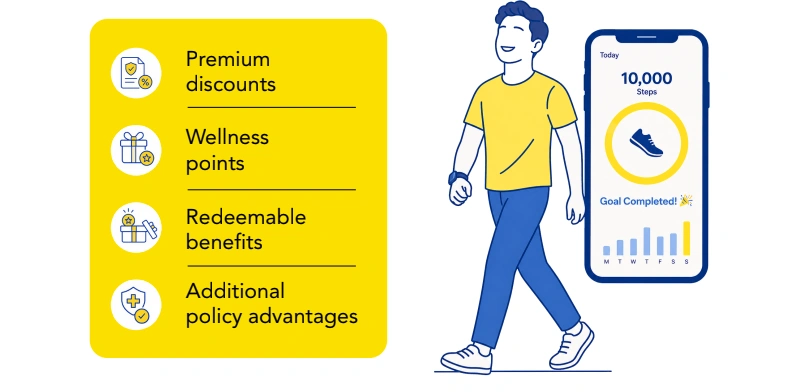
The approach encourages policyholders to think about health insurance daily rather than only during emergencies.
____________________________________________________________________________
Insurers in India have integrated activity-based wellness programs, cashless preventive health checkups and both online and offline fitness sessions at economical premiums, amongst others.
To promote wellness among the customers, Care Health Insurance too offers these types of benefits through its best-selling health insurance plans–Ultimate Care & Care Supreme.
____________________________________________________________________________
Behavioural science suggests that people are more likely to adopt and maintain healthy habits when they receive small rewards and visible progress indicators. In wellness-linked insurance programs:
Even simple goals such as walking regularly can positively impact physical and mental health over time. This model is especially relevant in urban India, where many people spend long hours sitting at desks and struggle to maintain active routines. By combining fitness with financial benefits, insurers are making preventive health more engaging and practical.
____________________________________________________________________________
The growth of digital health technology has made wellness-based insurance far more accessible. Today, insurers can integrate wellness programs with:
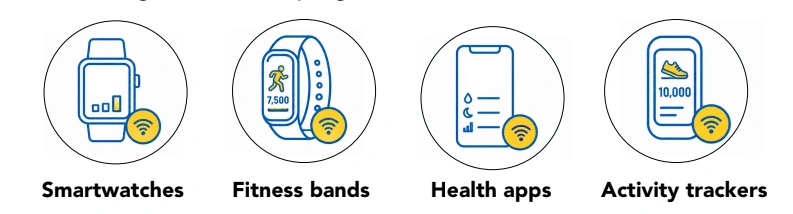
These tools allow customers to monitor daily activity levels in real time while helping insurers create more personalised wellness experiences.
Technology has also changed customer engagement. Traditionally, customers interacted with insurers mainly during premium payments or claims. Now, they engage more frequently through:
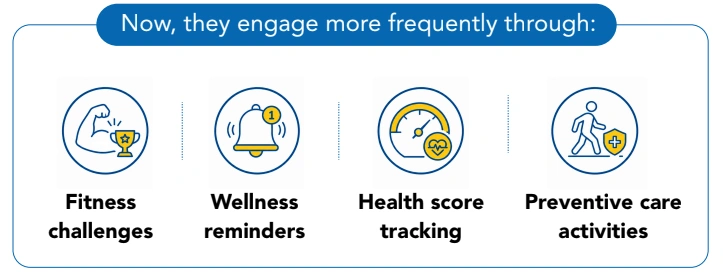
This continuous interaction strengthens customer engagement and raises awareness of healthy living.
____________________________________________________________________________
While premium discounts and wellness rewards are attractive, the larger benefit of behavioural change lies in promoting healthier lifestyles. Regular physical activity can help:
By encouraging preventive habits, insurers are contributing to long-term health improvement rather than only financing medical treatment. This shift also reflects the growing importance of preventive healthcare in India’s healthcare ecosystem.
As preventive healthcare gains momentum in India, health insurance is evolving into more than just a claims-based product, it is becoming a partner in long-term well-being and healthier living.
Check out your policy documents to know!

favoriteBe the First to Like
