
Loading article content...
When buying health insurance, most of us prepare for the absolute worst, such as sudden emergencies, major surgeries, or long hospital stays. While it is smart to protect your life savings from those massive bills, take a quick look back at your own life. How many times have you actually spent the night in a hospital bed?
For most of us, real healthcare happens in everyday moments. It is a quick visit to the family doctor for a bad case of the flu, a routine blood test to monitor your health, or a regular trip to the pharmacy for daily medications.
These small bills feel like minor change at the time. However, when you add them up over a whole year, they quietly take a huge bite out of your budget. The frustrating surprise is that standard plans won't pay a single cent for these routine visits unless you are admitted for 24 hours. That is exactly why outpatient coverage matters. Let's find out what exactly OPD Cover is in Health Insurance.
What is OPD Cover in Health Insurance?
To figure out how to stop this constant out-of-pocket cash drain, let's look closely at the core terminology. What OPD covers in health insurance, as explained by experts, simply boils down to this: it is dedicated protection for medical services that do not require an overnight hospital stay.
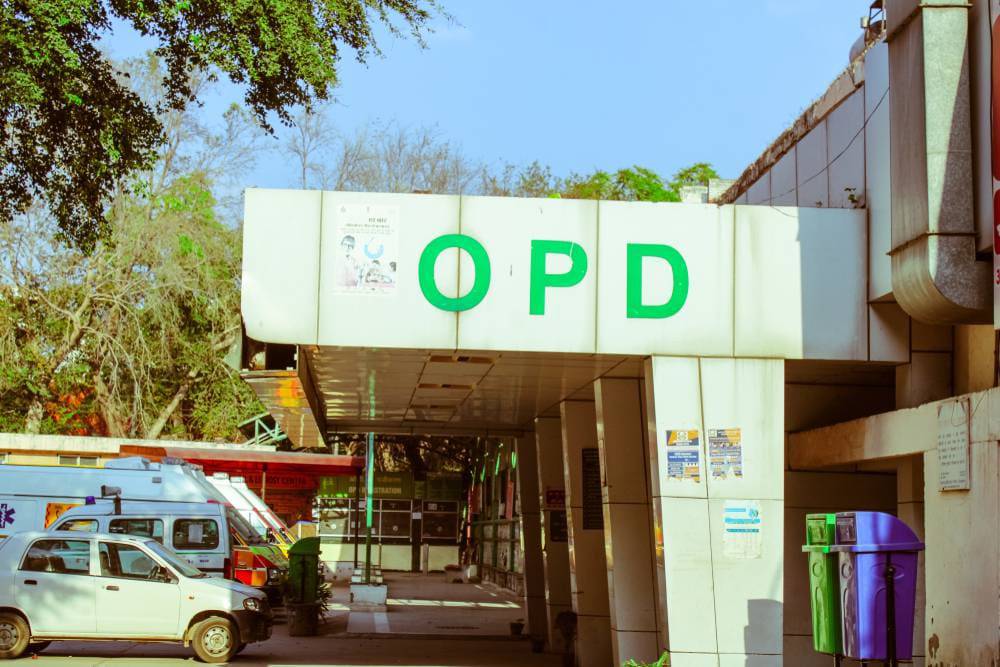
OPD stands for Outpatient Department. When you walk into a hospital or a standalone clinic, consult a medical doctor, get a prescription, and walk right back out to go home the same afternoon, you are utilising the outpatient department. Therefore, a policy with outpatient coverage covers those exact bills, ensuring your routine health maintenance doesn't depend on your personal bank balance.
When you look at the actual mechanics of OPD coverage modern families rely on daily, you will see it transforms your insurance from an "emergency-only safety net" into an active, everyday wellness partner. Instead of waiting for a minor ailment to grow into a massive emergency just to qualify for insurance coverage, outpatient benefits give you the freedom to seek professional medical intervention the very moment you start feeling unwell.
Why is the OPD Cover Essential?
Healthcare dynamics have shifted drastically over the last few decades. In the past, people only visited large medical centres for major emergencies or surgical procedures. Today, our everyday health realities are completely different, which is why OPD cover is essential for most modern households.
First, there is a massive global rise in chronic lifestyle conditions such as diabetes, hypertension, thyroid imbalances, and respiratory issues like asthma. These health conditions do not typically require you to be confined to a hospital bed. Instead, they require long-term, continuous observation. This means frequent diagnostic blood check-ups, regular consulting sessions with specialised endocrinologists or cardiologists, and a non-stop supply of monthly prescription drugs. Without outpatient protection, managing a chronic condition can easily cost thousands of rupees out of pocket every single month.
Types of OPD Coverage
Every household uses healthcare a little differently, which is why insurance providers have introduced different types of OPD coverage that consumers can evaluate to see what fits their lifestyle best.
Generally, you will find these outpatient benefits packaged in a few distinct formats:
- Integrated Base Plans: This is a comprehensive format where the outpatient benefits are built directly into the main hospitalisation policy. The company allocates a fixed portion of your total sum insured specifically for everyday medical consultations, pharmacy bills, and lab tests.
- Standalone OPD Policies: These are highly targeted, specific insurance products that focus entirely on outpatient department bills. They are excellent for individuals who rarely get hospitalised but want total protection for their frequent diagnostic tests or specialised therapy sessions.
- Cashless vs Reimbursement Modules: Some plans provide cashless outpatient benefits, meaning you can walk into partner network clinics or diagnostic labs and get checked without pulling out your wallet. Other plans work on a reimbursement basis, where you pay the clinic upfront, collect your official receipts, and submit them online to get your money back.
Main OPD Health Insurance Benefits
Investing in a robust plan brings several tangible advantages that directly improve your lifestyle. Let’s look at the primary OPD health insurance benefits families experience when they upgrade their protection:
- Massive Reduction in Daily Spending: The most immediate and satisfying advantage is that your bank account stops bleeding funds for regular health maintenance. Your policy steps in to absorb the cost of everyday GP fees, specialist rates, and expensive medications.
- Encourages Timely Preventive Care: When people know that a lab test or a doctor's visit will cost them out of pocket, they tend to wait and ignore their symptoms. Having outpatient coverage removes this psychological barrier, encouraging you to get tested early, which helps catch underlying health issues before they escalate into severe medical emergencies.
- Smoother Chronic Disease Tracking: For individuals managing long-term conditions, this coverage offers an effortless way to stay compliant with medical advice. You can visit your specialist exactly when required and take your high-quality prescribed medicines consistently without worrying about the recurring monthly bills.
How to Find Health Insurance with OPD Benefits?
Finding the right fit requires a close look at your family's medical history. When shopping for health insurance with OPD benefits aligned with your needs, do not just pick the policy with the lowest price tag.
Start by checking the annual outpatient limit. Some policies might advertise outpatient benefits but cap the total yearly payout at a very low amount, which can get exhausted within just a few specialist visits. Next, verify the internal sub-limits. A plan might offer a generous total outpatient wallet but restrict how much you can spend on pharmacy bills versus doctor fees.
Finally, check the local network list. Make sure the doctors you trust, the diagnostic labs near your home, and your preferred pharmacy chains are officially partnered with the insurance provider so you can utilise cashless benefits seamlessly without dealing with tedious reimbursement paperwork.
>> Also Read: Know about OPD Cover in a Health Insurance Plan
Final Words!
Navigating the rising cost of everyday healthcare can be exhausting, and a standard, restrictive health insurance policy often leaves you exposed to constant out-of-pocket expenses. True healthcare protection isn't just about covering major surgeries; it is about supporting your wellness every single day.
Take complete control of your family's health budget with Care Health Insurance. Our specialised health plans offer comprehensive outpatient protection that seamlessly covers doctor consultation fees, diagnostic lab tests, and routine pharmacy bills. With our vast network of cashless clinics and user-friendly digital claim tracking, we ensure that managing your everyday health needs is smooth, stress-free, and affordable. Switch to a reliable health insurance today and experience bulletproof medical protection that works for you every single day, not just in emergencies.
Disclaimer: All plan features, benefits, coverage, and claims underwriting are subject to policy terms and conditions. Kindly refer to the brochure, sales prospectus, and policy documents carefully.
