
Loading article content...
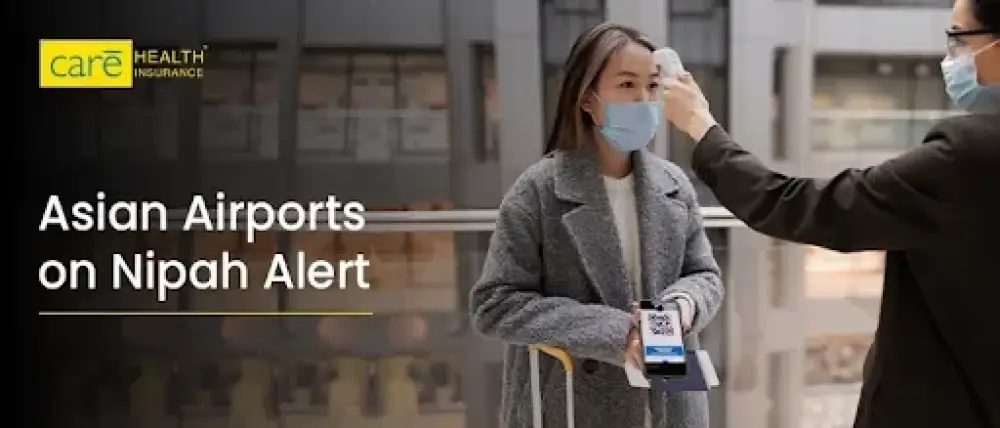
Several airports in Asia have brought back health screenings and surveillance procedures similar to those during COVID after a Nipah virus outbreak was reported in India’s West Bengal. The goal is to stop the spread of this deadly virus, which currently has no approved vaccine or definitive cure. Regional health authorities are increasing checks on travellers.
Asia Reintroduces Health Checks Amid Nipah Alert
In response to confirmed Nipah Virus infections in India, international airports in Asia have restarted health screening protocols like those used during the COVID-19 pandemic. Countries such as Thailand, Nepal, and Taiwan have increased passenger monitoring, especially for travellers arriving from affected areas in India, such as West Bengal.
Which Airports in Asia Have Tightened Health Screening?
Thailand’s health authorities have increased monitoring at major airports, including Suvarnabhumi, Don Mueang, and Phuket. Travellers are checked for fever and other symptoms and given health advisory cards. Although there have been no confirmed Nipah cases in Thailand so far, stronger disease control and hygiene measures are in place to reduce the risk.
Similarly, Nepal has increased health screening at Tribhuvan International Airport and important land checkpoints. Taiwan is examining its disease classification system to treat Nipah as a high-priority reportable disease. These measures aim to detect potential infections early and prevent regional transmission.
Why the Concern Over Nipah Virus?
The Nipah virus is a viral infection that spreads from animals, like fruit bats or pigs, to humans. It can also spread from person to person. It is known for causing severe respiratory illness and encephalitis. The fatality rates in past outbreaks have ranged from about 40% to as high as 75%. There is no specific treatment or approved vaccine, making early detection and containment vital for global health responses.
>> Read More: What is Nipah Virus?
What Should Travellers Do?
If you’re flying to or from affected regions:
- Expect temperature checks and health questions at airports.
- Follow instructions from airport health desks and staff.
- Watch for symptoms for days after travel, such as fever, cough, or breathing issues.
- Seek medical help early if you feel unwell and share your travel history.
For most travellers, the risk remains low. However, quick reporting and caution can help stop further spread.
